


 Claude


 Portugal

-
Nº63
 Fecha: 2017-08-02 - 10:50
-
 Profundidad máxima: 13.7m Duración: 65mins
Fotos

No hay fotos para esta inmersión
- Intervalo en la superficie:0 mins
- Temp: Surf 20°C Parte inferior 15°C
- Tipo de buceo: Recreo, Cueva, Arrecife
- Visibilidad: Media Agua: Salada
Equipo específico utilizado
- Traje humedo: Aqualung - SolaFX
- BCD: Apeks - Black Ice
- Regulador: Scubapro - MK20 din
- Regulador: Scubapro - G500
- Regulador: Scubapro - R190
- Ordenador: Suunto - Zoop
- Mascara: Mares -
- Guantes: Deeply -
- Botas: Rip Curl -
- Aletas: TDS - JET FIN CURTA C/MOLA
- Brújula: Subacqua -
- Otro: TDS - CARRETO SPOOL BLACK 45 M
- Otro: TDS - BOIA DECO VERMELHO C/VALVULA 180 CM
- Cuchillo: EZdive - KF-SZ
- Pesos: 8 kg
Dive reviews
| Puntuación general | ||
| Dificultad de la inmersión | ||
| Calidad de vida marina |
Buceadores recientes en Sesimbra

Fotos recientes en Sesimbra



Tienda de buceo & compañeros
 Buceo con Haliotis Dive Center
 Compañeros de inmersión
Miguel Fragata Correia

Enlace a este sitio:
- Lugar:
- País:
- Zona:
- Zona acuática:
Perfil de la inmersión
- 1. Air
- 12L Steel 210 → 30 bar
- Profundidad media: 9.8m
Datos proporcionados por EOL.org

Especies identificadas
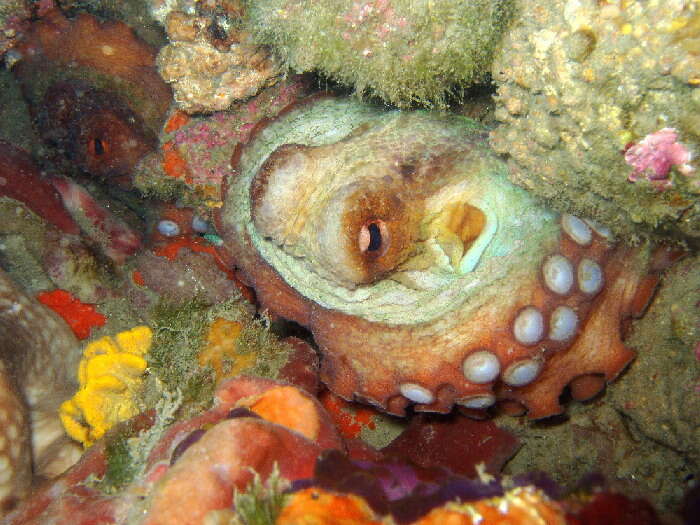
Octopus vulgaris Cuvier, 1797 (common octopus)
Like all cephalopods, the common octopus is an intelligent active predator . They have modified salivary glands that produce venom used to incapacitate prey. It is often easy to identify what a common octopus has been feedi...
Leer más
Leer más
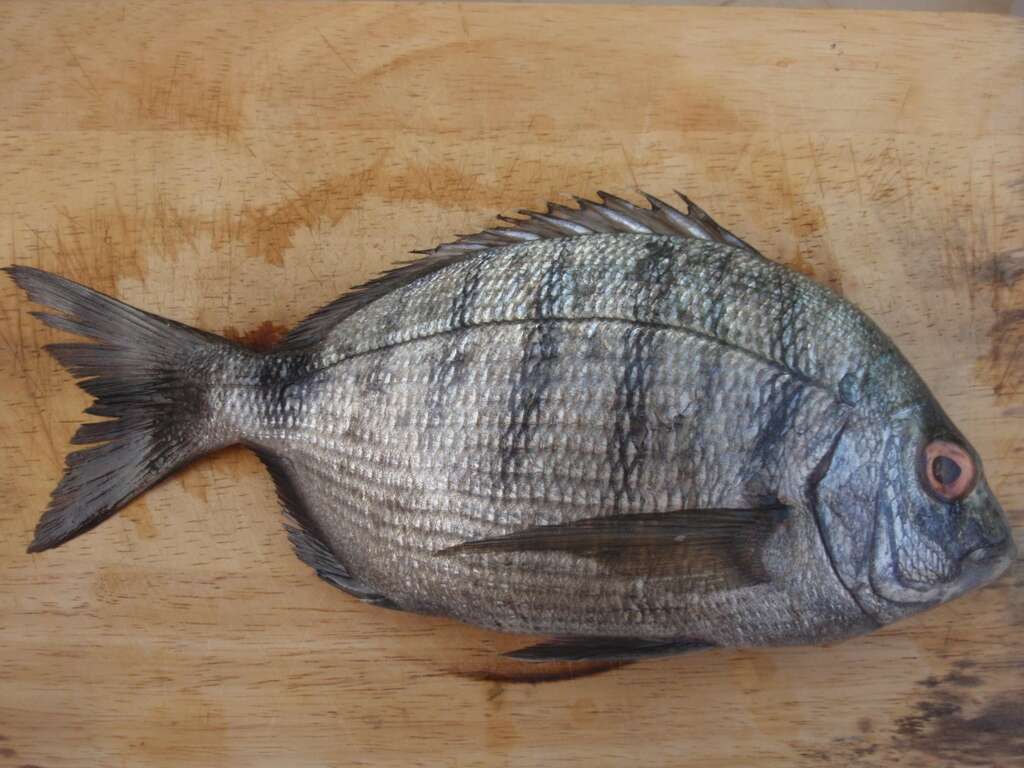
Diplodus sargus sargus (Linnaeus, 1758) (White seabream)
Inhabits coastal rocky reef areas and Posidonia oceanica beds. Like other sparids, it is very active and frequents the surf zone, primarily at dawn . Feeds on shellfish and other benthic invertebrates which it picks from the sediment .
Ophiothrix fragilis (Abildgaard, 1789) (Common Brittle Star)
The common brittlestar forms dense aggregations offshore, with as many as 2000 individuals recorded per square meter . When it occurs in the intertidal zone, it is more typically found as single individuals in crevices, und...
Leer más
Leer más
Compartir en redes sociales
- Facebook:

Personaliza tu texto a compartir, así como su destino (muro, página...) o mándalo como un mensaje privado a un amigo
- Twitter: Tweet Personaliza tu tweet
- Google Plus:
Enlace directo a esta inmersión
- Enlace largo:
- Enlace corto:


 Estamos participando en el concurso de startups Techcrunch Disrupt. Apoya Diveboard votando por nosotros!




























































































Sesimbra Pedra do Leão
Muita vida marinha.
Mergulhei só com o Miguel, fugimos da multidão.