 Crazyserver


 España
-
Nº31
 Fecha: 2015-08-12 - 17:23
-
 Profundidad máxima: 16.8m Duración: 59mins
Ubicación de inmersión

- Temp: Surf 27°C Parte inferior 22°C
- Tipo de buceo: Recreo, Foto, seashore
- Visibilidad: Media Agua: Salada
Equipo específico utilizado
- Regulador: Cressi Sub - Ellipse Balanced / MC 9 - SC
- Traje humedo: Aqualung - Iceland 7 mm
- Pesos: 6 kg
Dive reviews
| Puntuación general | ||
| Dificultad de la inmersión | ||
| Calidad de vida marina |
Buceadores recientes en Tossa De Mar
Fotos recientes en Tossa De Mar

Tienda de buceo & compañeros
 Buceo con Quico de L'Àmfora Centre D'immersió
 Compañeros de inmersión
Míriam,
Gemma

Enlace a este sitio:
- Lugar:
- País:
- Zona:
- Zona acuática:
Perfil de la inmersión
- 1. Air
- 12L Steel 200 → 20 bar
- Profundidad media: 9.1m
Datos proporcionados por EOL.org



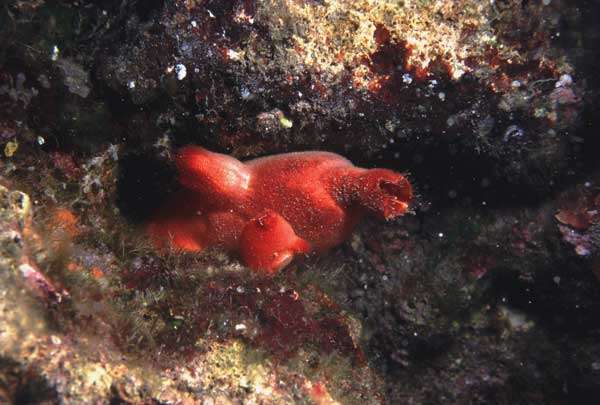
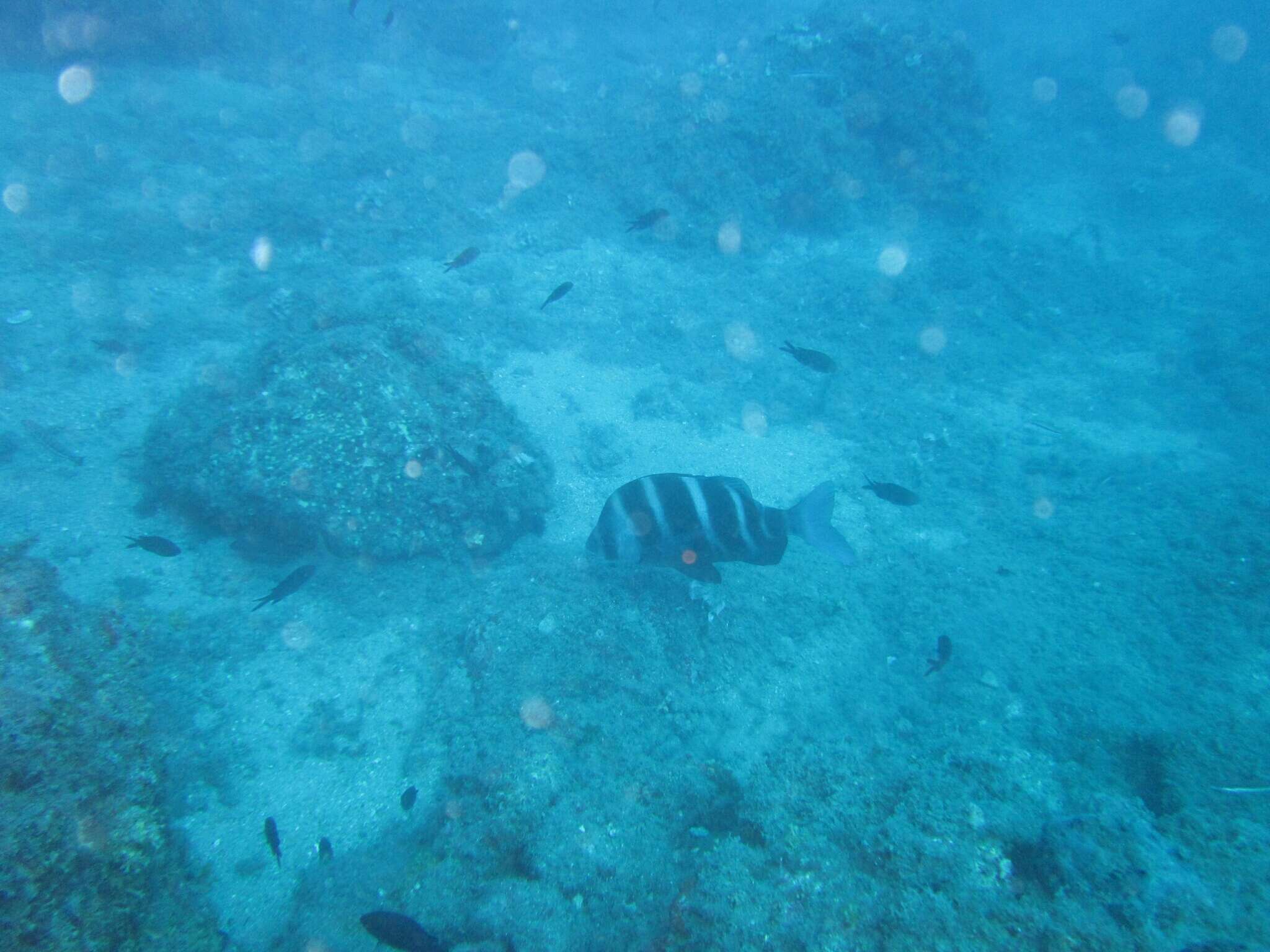
Especies identificadas
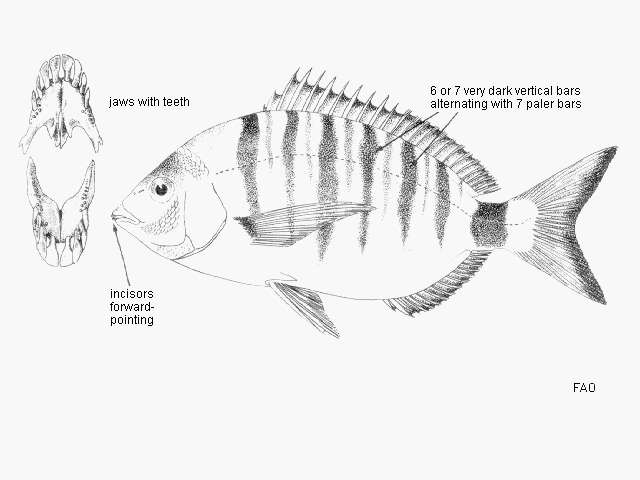
Lithognathus mormyrus (Linnaeus, 1758) (Striped seabream)
Found on the shelf, over sandy and muddy bottoms as well as seagrass-beds and estuaries. Gregarious, sometimes forming sizeable schools. Feeds on worms, mollusks and small crustaceans. Protandric hermaphrodite . Flesh excellent ; sold fresh and dried.
Thalassoma pavo (Linnaeus, 1758) (Ornate wrasse)
Inhabits coastal waters near rocks and eel-grass beds. Usually solitary, sometimes in small groups. Feeds on small mollusks and crustaceans . Protogynous hermaphrodite, with distinct sexual dichromatism . Eggs are pelagic .
Diplodus puntazzo (Cetti, 1777) (Sharpsnout seabream)
Benthopelagic marine species. Gregarious species living in coastal waters on rocky or sandy bottoms, up to 1 50 m . Younger individuals can also be found in brackish waters and may live in littoral pools , the adults often ...
Leer más
Leer más
Diplodus vulgaris (Geoffroy Saint-Hilaire, 1817) (Common two-banded seabream)
A euryhaline species inhabiting rocky and sometimes sandy bottoms to depths of 160 m, but more commonly in less than 50 m. The young are sometimes found in seagrass beds. Adults feed on crustaceans, worms and mollusks . Important food fish.
Muraena helena Linnaeus, 1758 (Mediterranean moray)
A nocturnal and territorial species , commonly lurking in holes, and writhing snakelike through crevices, under rocks or corals. Feeds on fish, crabs and squid . It seldom attacks unless provoked . A gonochoristic specie...
Leer más
Leer más
Conger conger (Linnaeus, 1758) (European conger)
Sphyraena viridensis Cuvier, 1829 (Barracuda)
Its habits are probably similar to those of the phylogenetically closely related Sphyraena sphyraena . Feeds on cephalopods, crustaceans and fishes. Caught in trammel nets and beach seines .
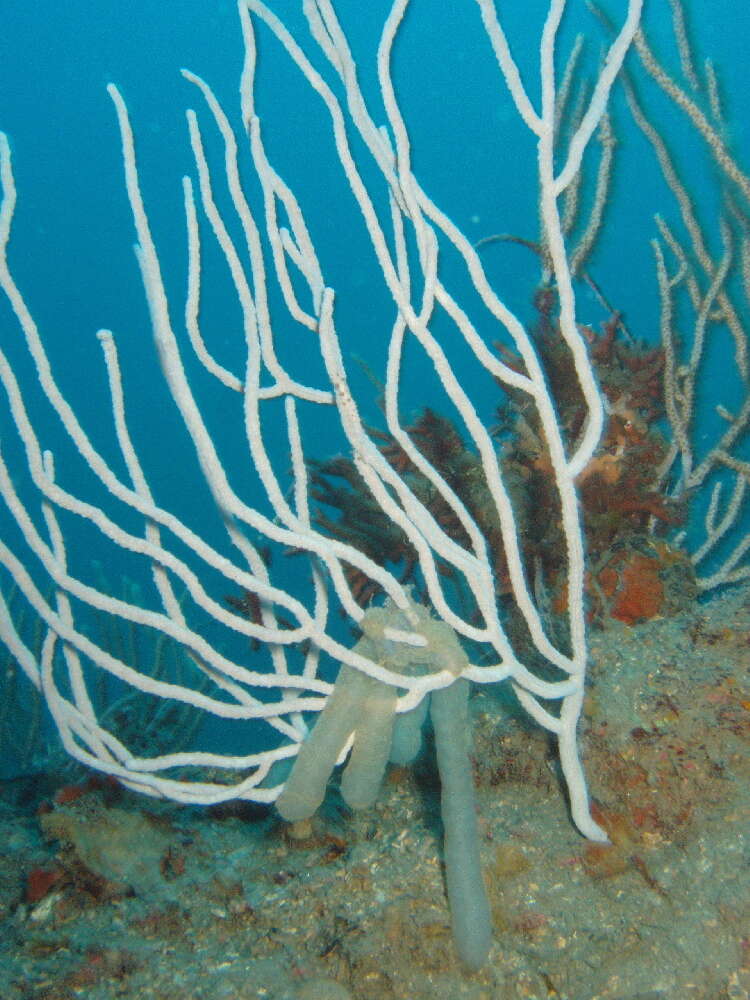
Eunicella singularis (Esper, 1791)
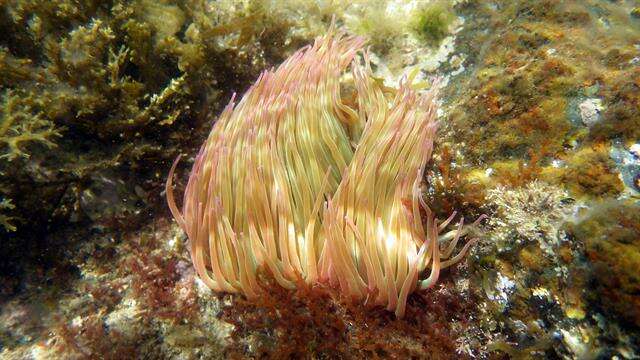
Anemonia viridis (Forskål, 1775) (Snakelocks anemone)
Trachinus draco Linnaeus, 1758 (Greater weever fish)
On sandy, muddy or gravelly bottoms, from a few meters to about 150 m. Rest on the bottom, often buried with eyes and tip of first dorsal fin exposed . At night they swim around freely, even pelagically . Feed on small i...
Leer más
Leer más
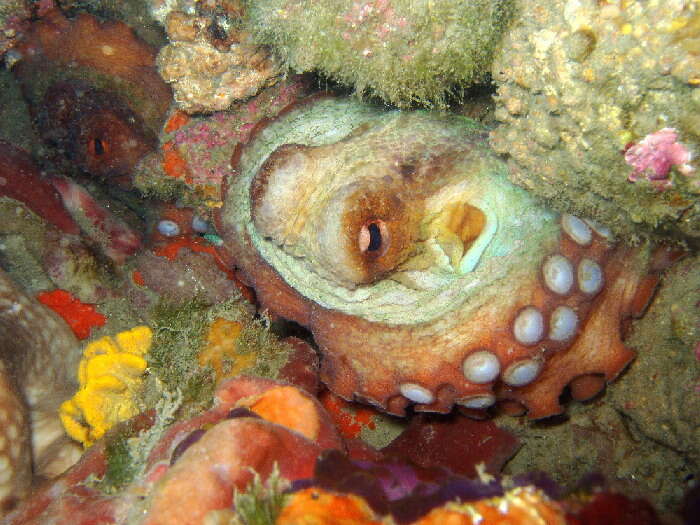
Octopus vulgaris Cuvier, 1797 (common octopus)
Like all cephalopods, the common octopus is an intelligent active predator . They have modified salivary glands that produce venom used to incapacitate prey. It is often easy to identify what a common octopus has been feedi...
Leer más
Leer más
Bonellia viridis Rolando, L., 1821 ((German: Igelwurm))
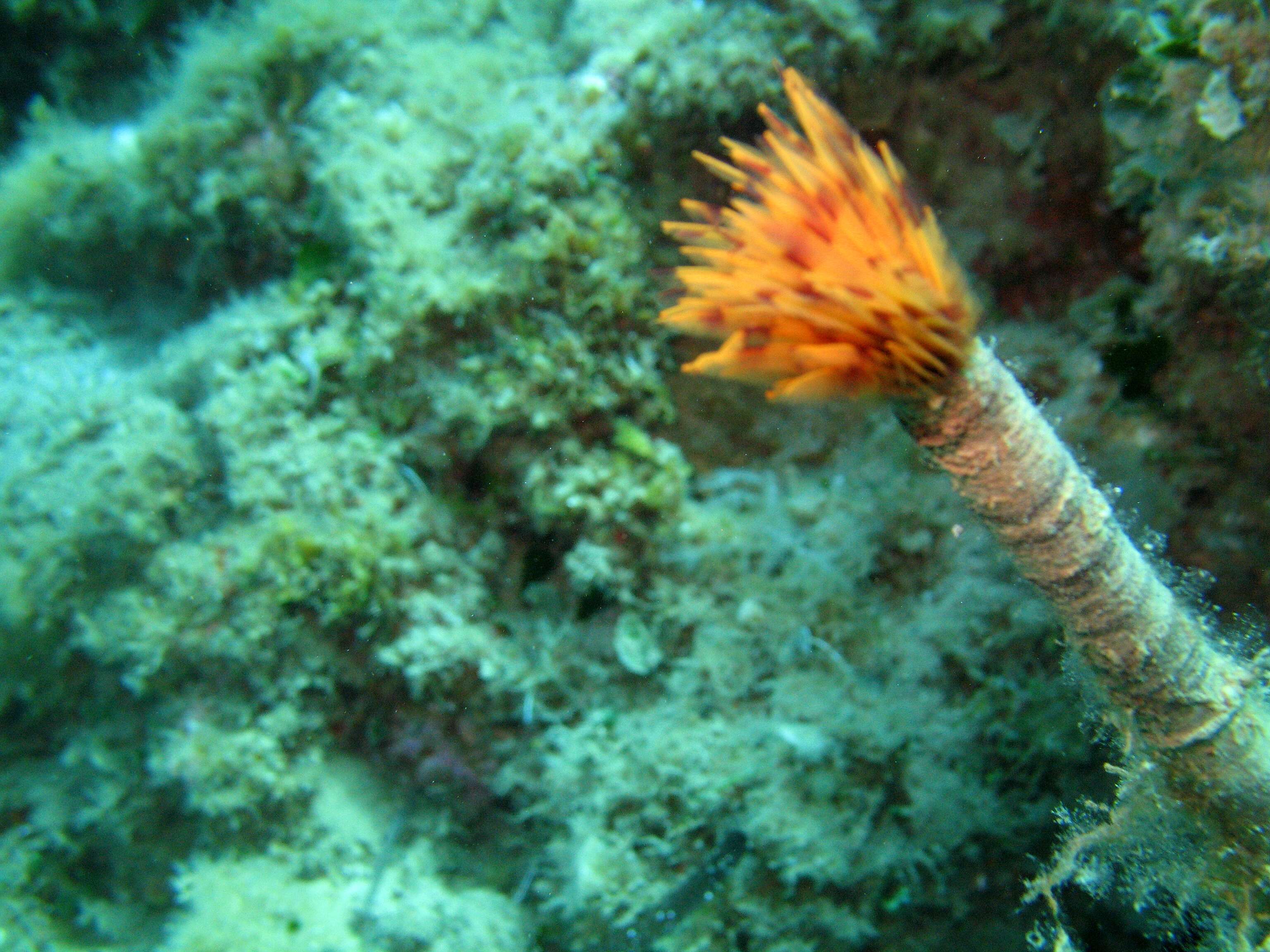
Sabella spallanzanii (Viviani, 1805)
Sparus aurata Linnaeus, 1758 (Gilt head bream)
Found in seagrass beds and sandy bottoms as well as in the surf zone commonly to depths of about 30 m, but adults may occur to 150 m depth. A sedentary fish, either solitary or in small aggregations. In spring, they often...
Leer más
Leer más
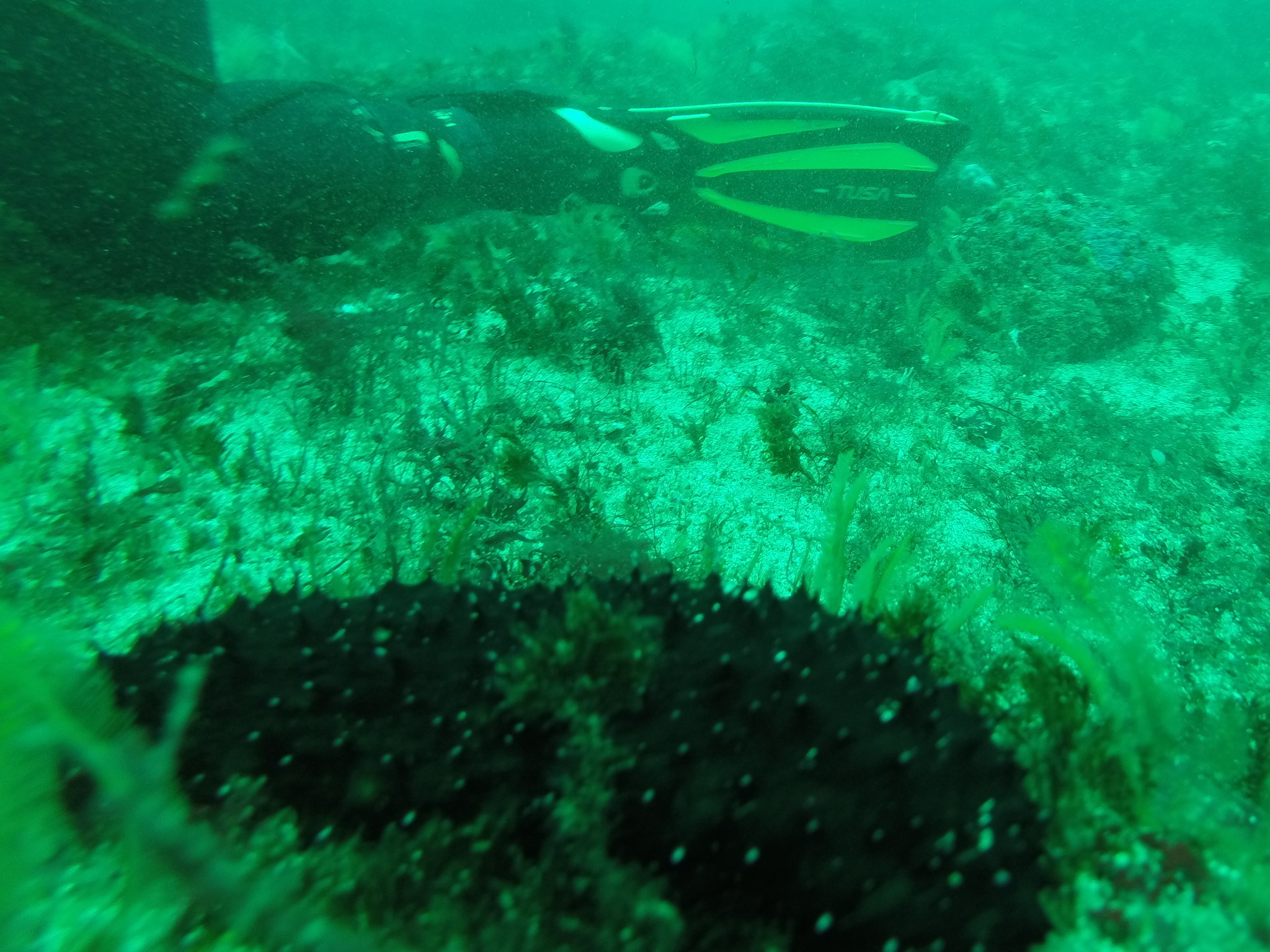
Holothuria forskali Chiaje, 1841
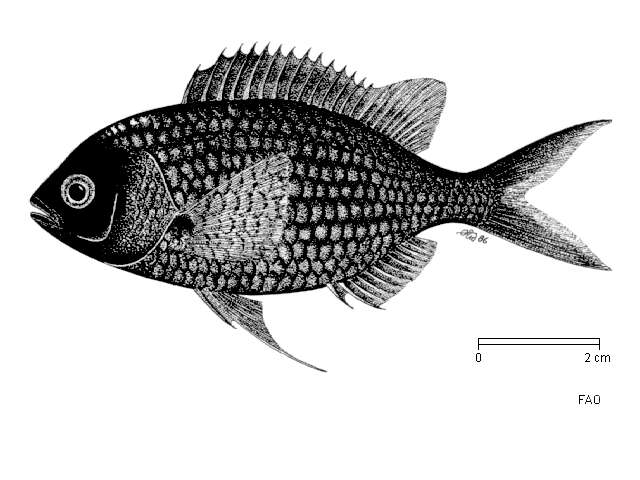
Chromis chromis (Linnaeus, 1758) (Mediterranean chromis)
Form small shoals in midwater above or near rocky reefs or above seagrass meadows (Posidonia. Feed on small planktonic or benthic animals . Reproduce in summer . Eggs characterised by adhesive filaments are nested on rocky or sandy bottoms . Males guard the eggs .
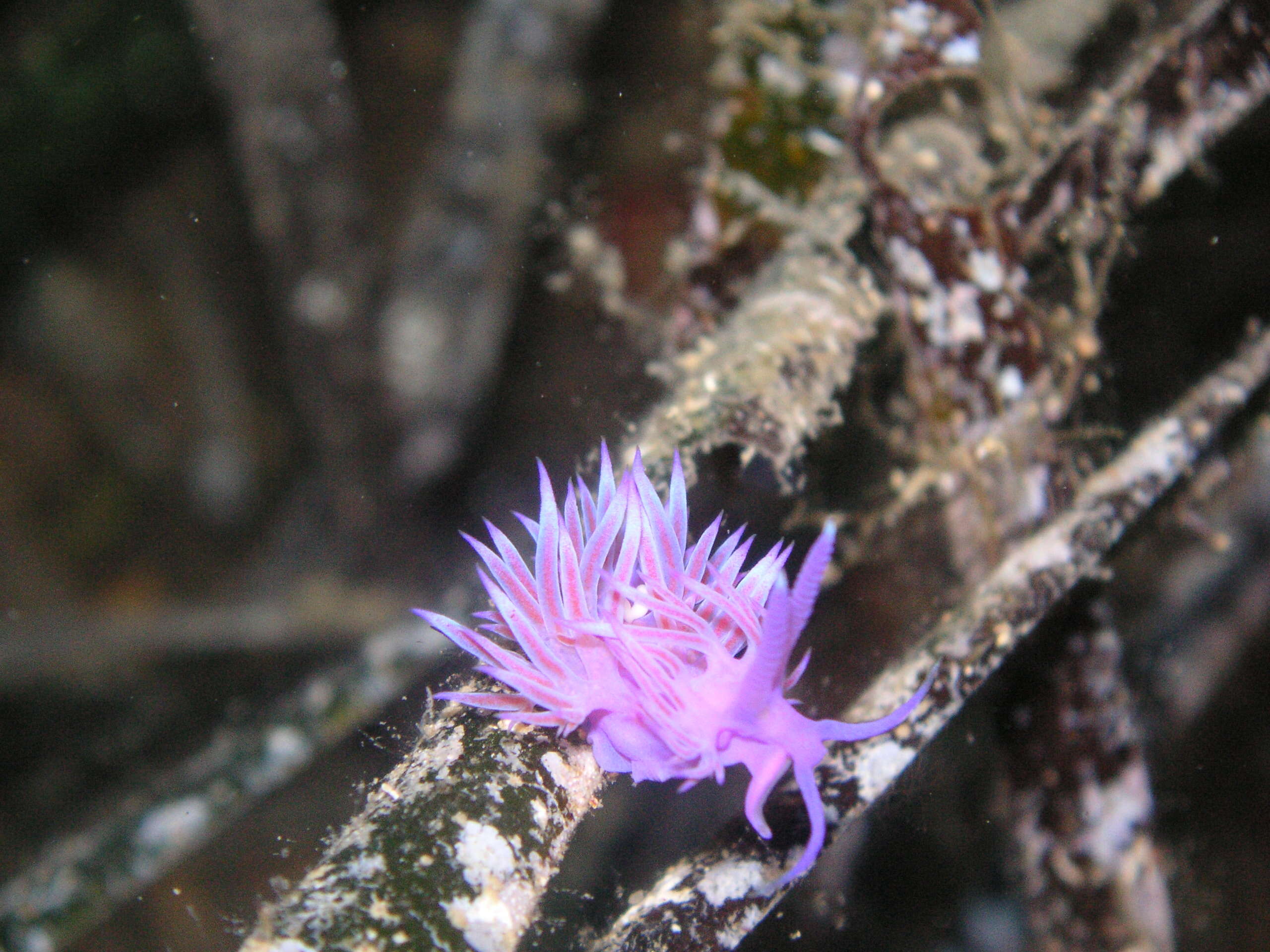
Flabellina affinis (Gmelin, 1791) (Mediterranean Violet Aeolid)
Apogon imberbis (Linnaeus, 1758) (Cardinal fish)
Occasionally forms schools; sometimes solitary. Inhabits muddy or rocky bottoms and caves. Feeds on small invertebrates and fishes . Oral brooding by males .
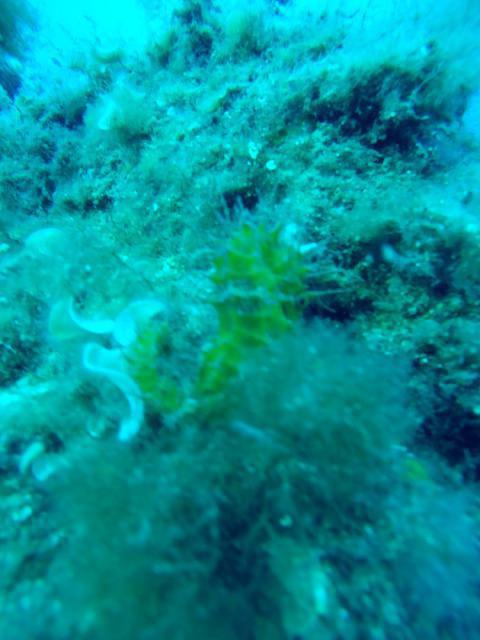
Hippocampus guttulatus Cuvier 1829 (Long-snouted seahorse)
While information on the biology of this particular species is lacking, it is likely to be similar to that of other seahorses (Hippocampus species). Seahorses are ambush predators that wait in the water until a prey,...
Leer más
Leer más
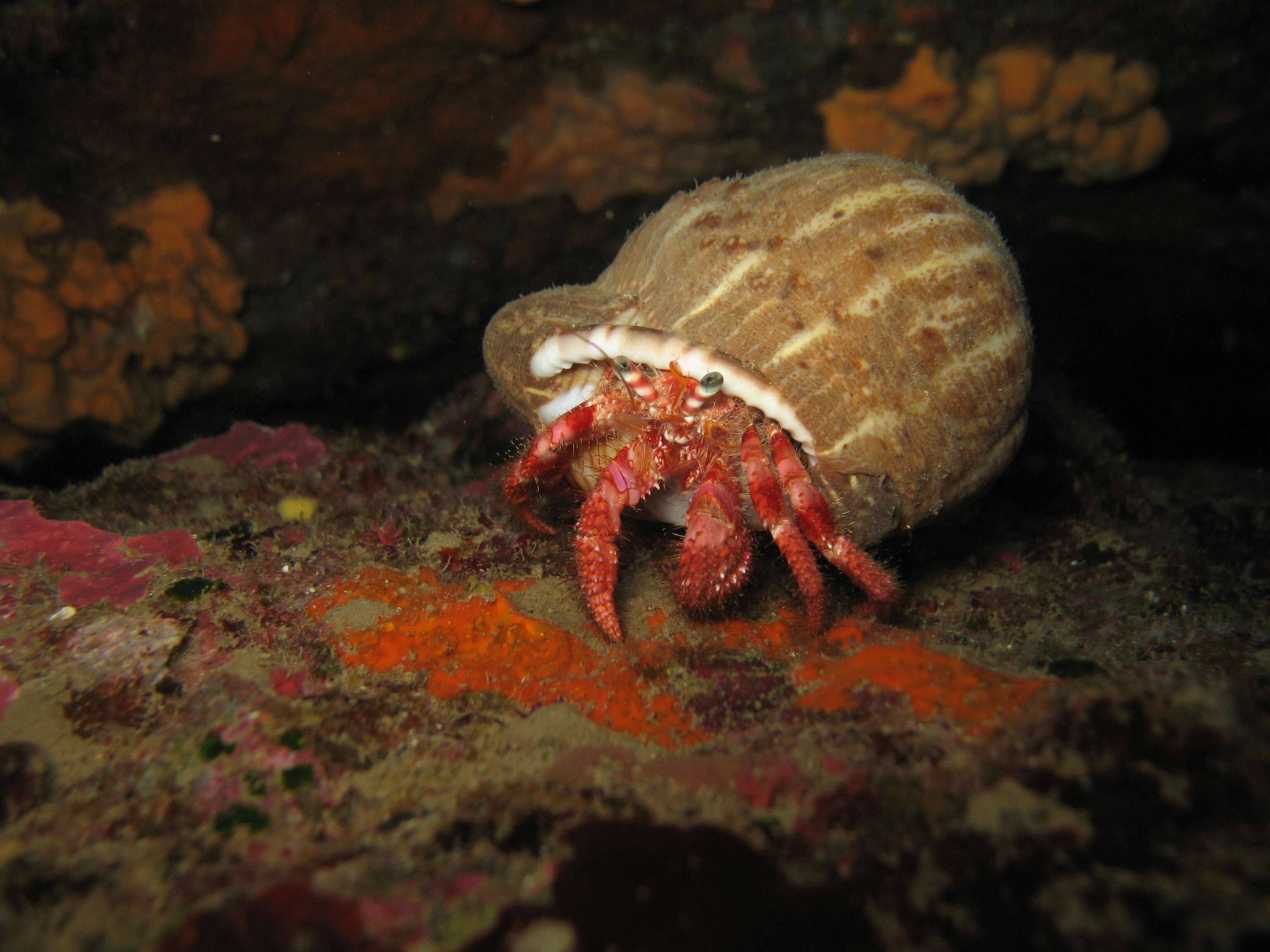
Dardanus calidus (Risso, 1827) (gran ermità)
Halocynthia papillosa (Gunnerus, 1765)
Posidonia oceanica (L.) Delile (Neptune-grass)
Coris julis (Linnaeus, 1758) (Mediterranean rainbow wrasse)
Occurs in the littoral zone, near rocks and eelgrass beds. Usually found between 1-60 m, but old males stay in deeper water. Found in deeper waters during winter. Sometimes solitary, among rocks, often with numerous spec...
Leer más
Leer más
Diplodus cervinus (Lowe, 1838) (Zebra seabream)
Compartir en redes sociales
- Facebook:

Personaliza tu texto a compartir, así como su destino (muro, página...) o mándalo como un mensaje privado a un amigo
- Twitter: Tweet Personaliza tu tweet
- Google Plus:
Enlace directo a esta inmersión
- Enlace largo:
- Enlace corto:


 Estamos participando en el concurso de startups Techcrunch Disrupt. Apoya Diveboard votando por nosotros!