 Jyore


 Estados Unidos
-
Nº1
 Fecha: 2014-07-09 - 15:00
-
 Profundidad máxima: 10.7m Duración: 50mins
Ubicación de inmersión

- Intervalo en la superficie:60 mins
- Tipo de buceo: Recreo, Arrecife, Foto
- Visibilidad: Buena Agua: Salada
Equipo específico utilizado
- BCD: Sherwood -
- Regulador: Sherwood - Brut
- Aletas: Mares - Avanti quattro +
- Mascara: Scubapro - Crystal Vu Plus
- Pesos: 4.5 kg
Dive reviews
| Puntuación general | ||
| Dificultad de la inmersión | ||
| Calidad de vida marina |
Buceadores recientes en Key West, FL
Fotos recientes en Key West, FL
Tienda de buceo & compañeros
 Buceo con Captains Corner Dive Center
 Compañeros de inmersión
Laura

Enlace a este sitio:
- Lugar:
- País:
- Zona:
- Zona acuática:
Perfil de la inmersión
Datos proporcionados por EOL.org


Especies identificadas
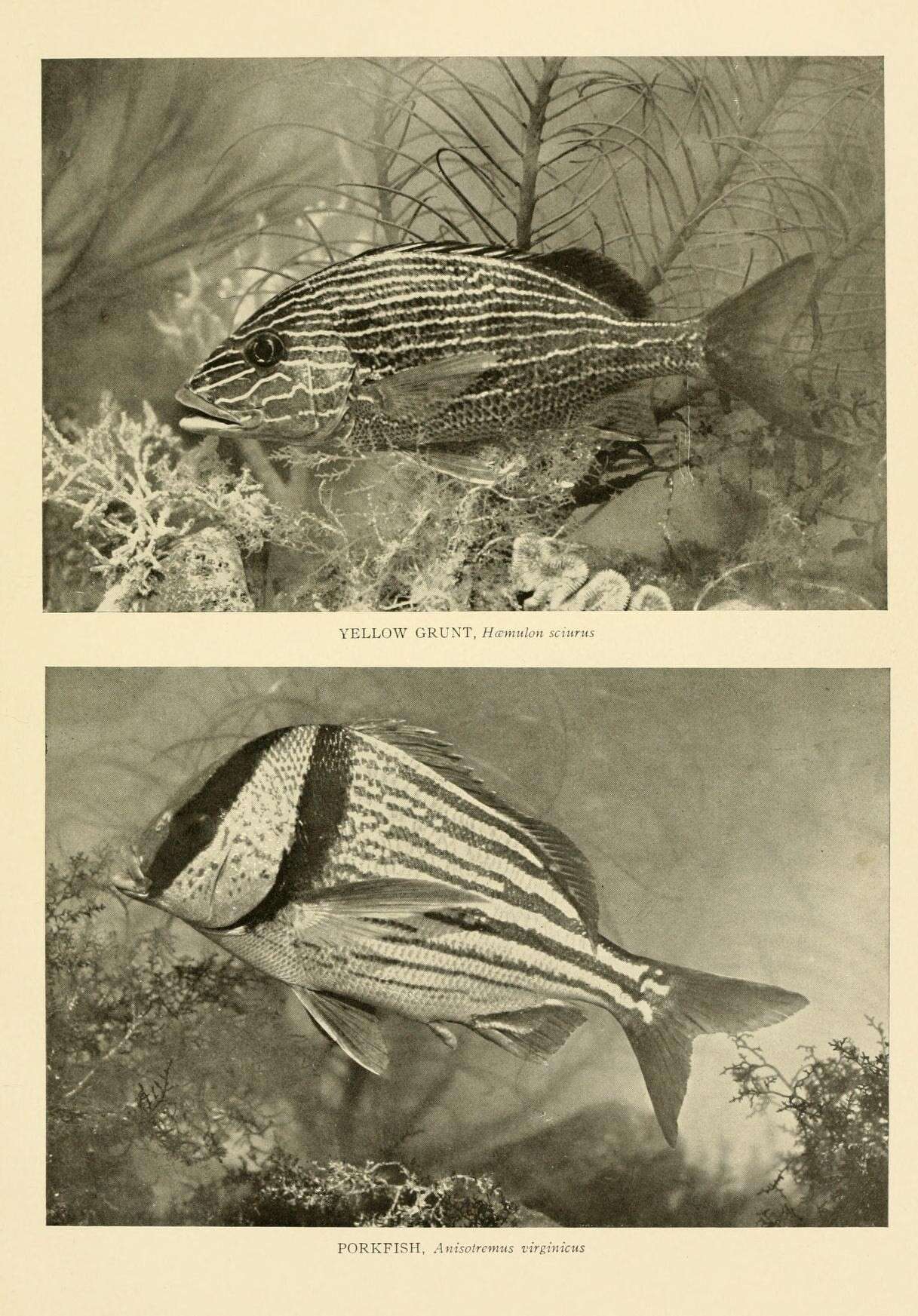
Haemulon sciurus (Shaw, 1803) (Blue striped grunt)
Found in small groups over coral and rocky reefs and drop-offs . Juveniles are abundant in Thalassia beds . Feeds on crustaceans, bivalves, and occasionally on small fishes. Marketed fresh.
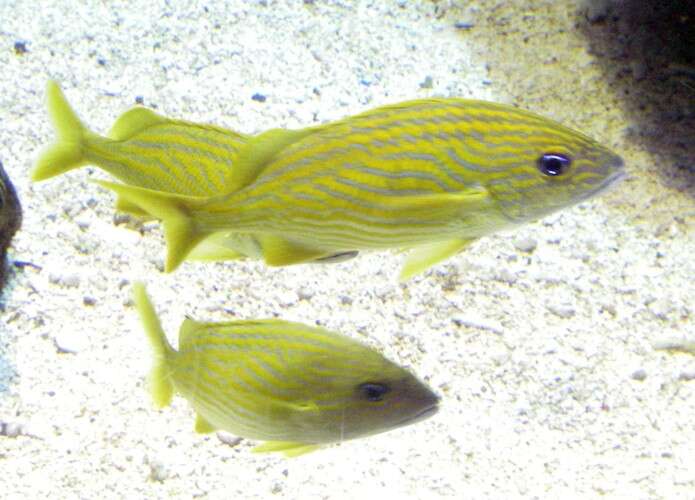
Haemulon flavolineatum (Desmarest, 1823) (French grunt)
Occurs in large schools on rocky and coral reefs, often under ledges or close to elkhorn coral . Juveniles abundant in near-shore seagrass beds . Feeds mainly on small crustaceans . Marketed fresh .
Opistognathus aurifrons (Jordan and Thompson, 1905) (yellowhead jawfish)
Inhabit burrows made of crushed coral or sand. Hovers vertically, above or near its hole. The male courts the female by swimming in an arched position with his fins spread towards her . Male broods the eggs orally . Has been reared in captivity .
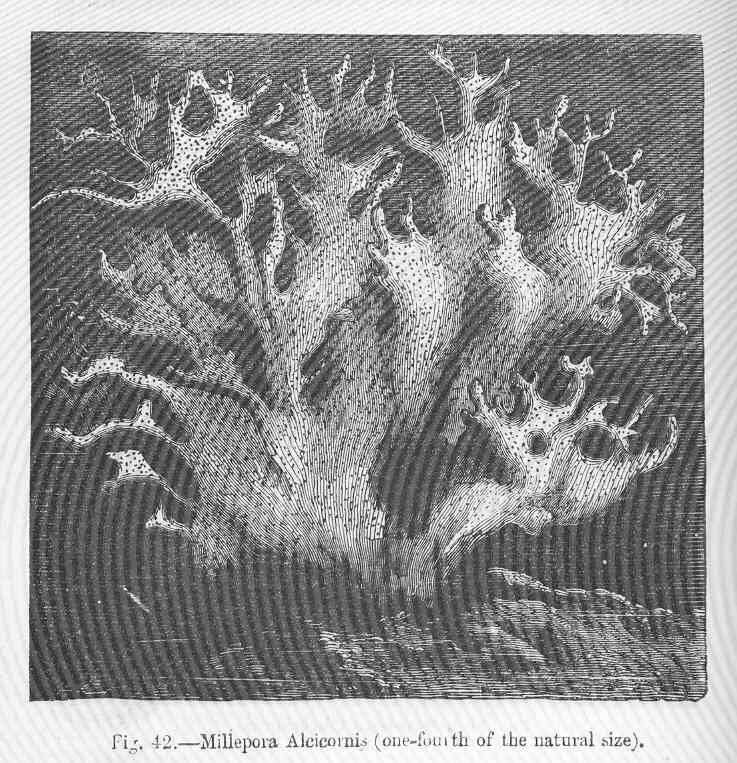
Millepora alcicornis Linnaeus, 1758 (fire coral)
colonial, calcareous skeleton
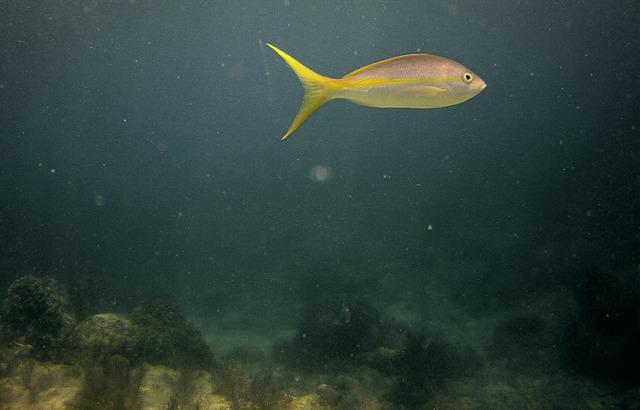
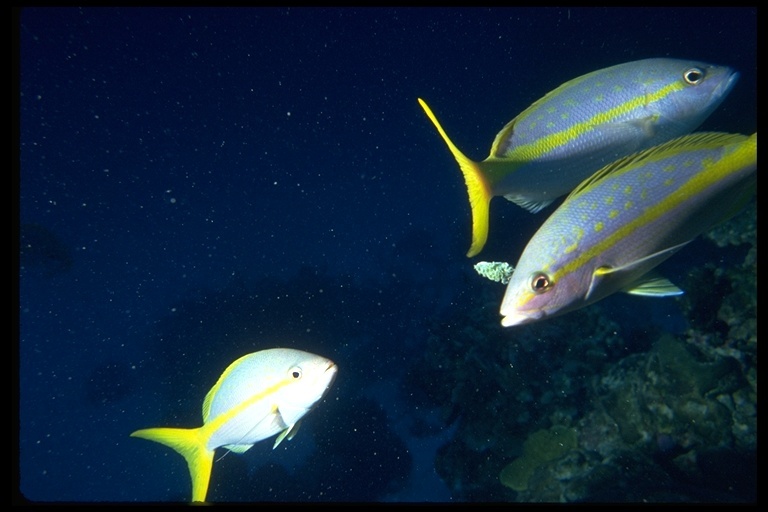
Ocyurus chrysurus (Bloch, 1791) (yellowtail snapper)
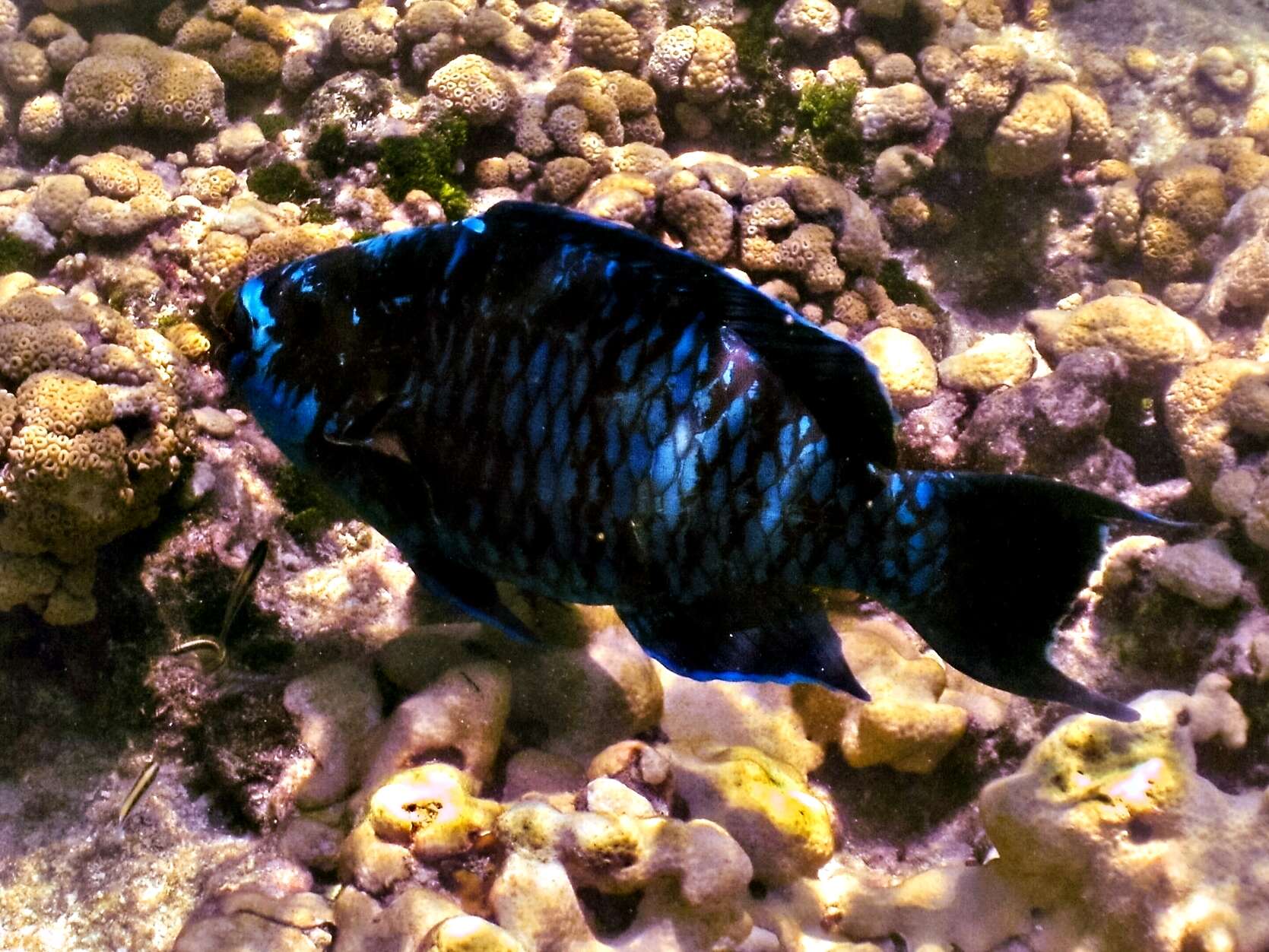
Scarus coelestinus Valenciennes, 1840 (Nightowl parrot)
Occurs from rocky coastal reefs to seaward reefs . Often in schools, feeding with surgeonfishes by scraping off algae from rocks or dead coral . Marketed fresh and salted .
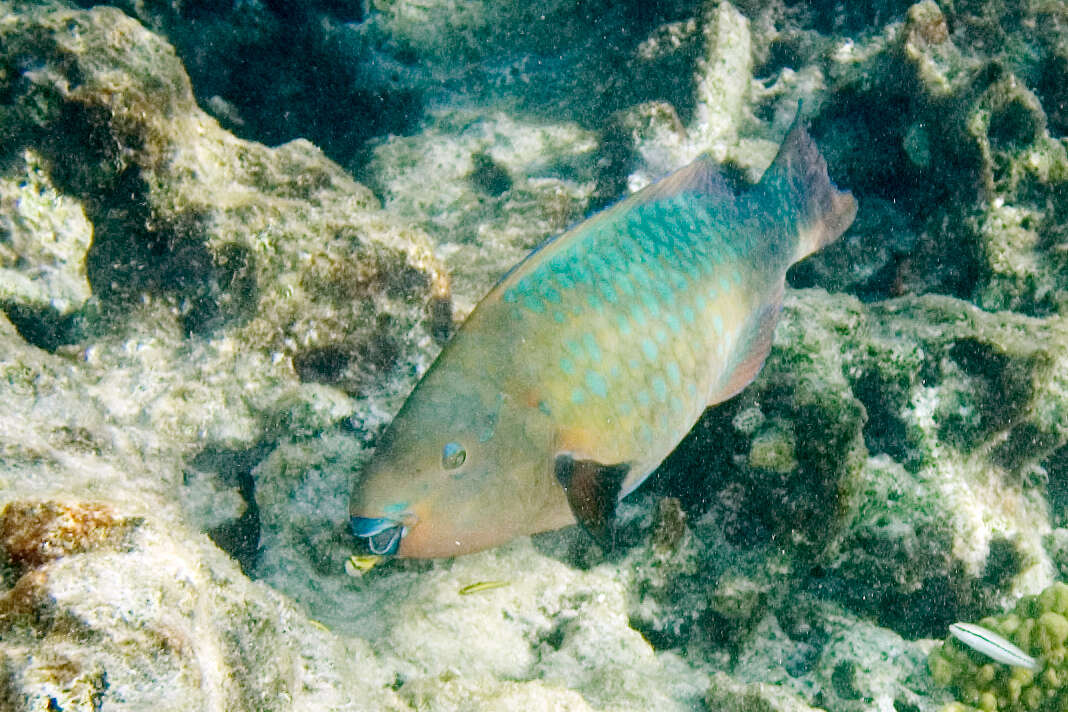
Scarus guacamaia Cuvier, 1829 (Blue rainbow)
This herbivorous fish uses its strong beak-like mouthparts to scrape algae and other plant matter from the surface of the coral . This maintains the health of the reef by keeping algae in check, which could otherwise overwh...
Leer más
Leer más
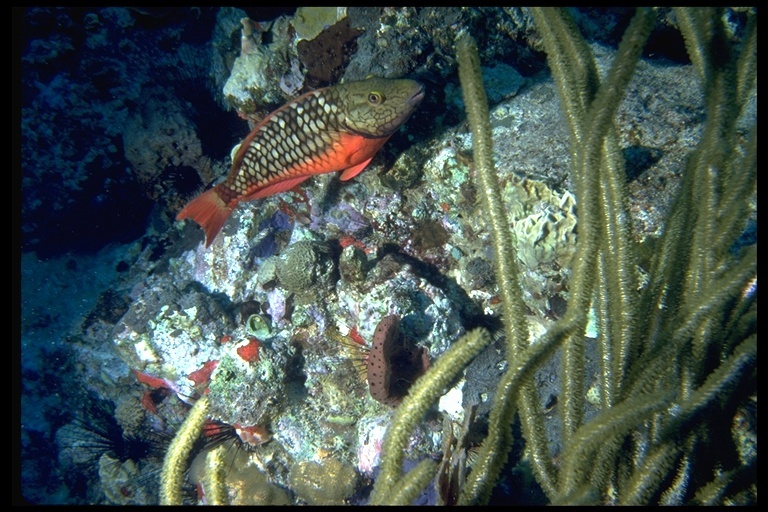
Sparisoma viride (Bonnaterre, 1788) (Dark green parrotfish)
Inhabits coral reefs with clear water . Young may be found in seagrass beds and other heavily vegetated bottoms. Feeds mainly on soft algae, but has been observed to graze on live corals like, Montastraea annularis . Pro...
Leer más
Leer más
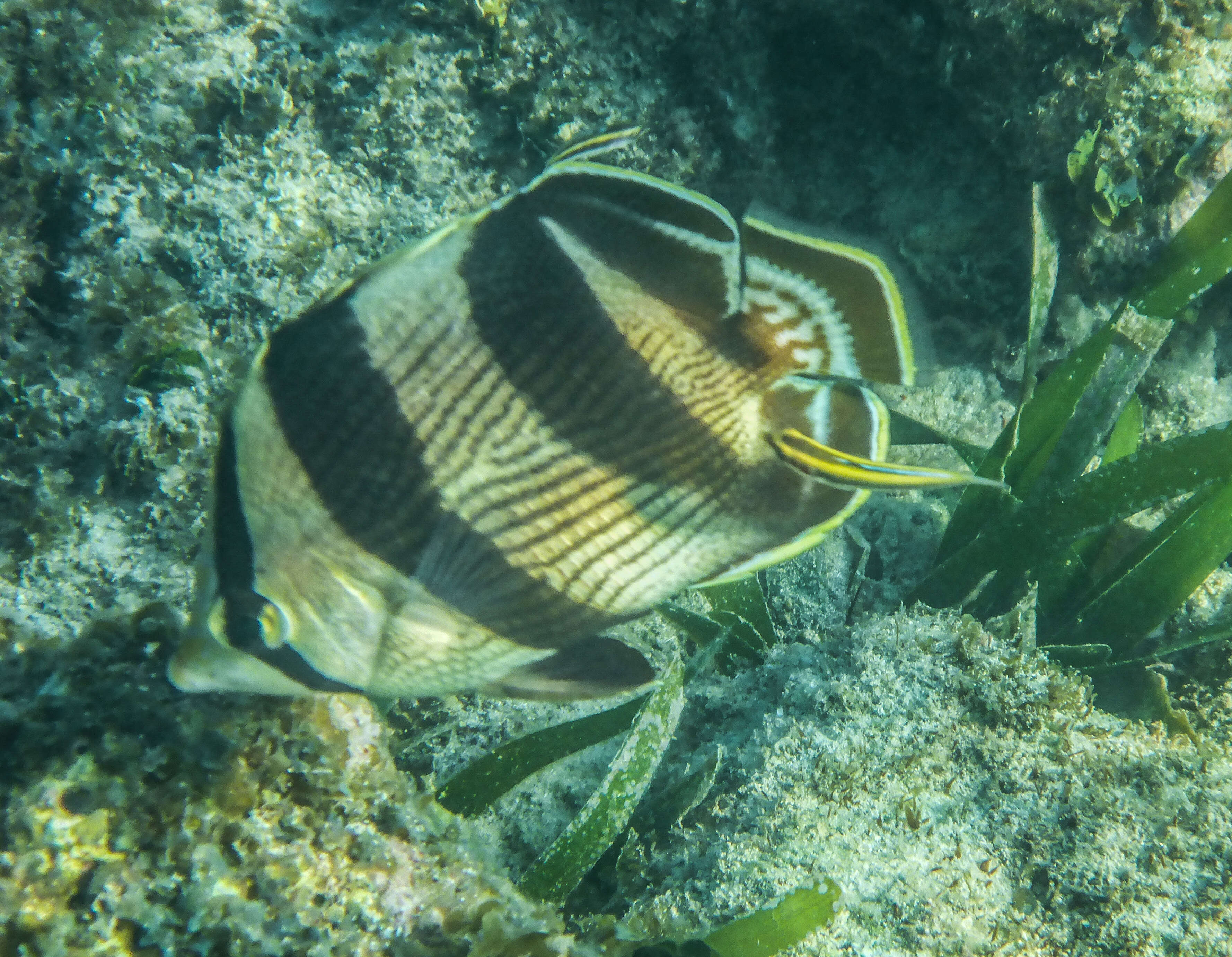
Chaetodon capistratus Linnaeus, 1758 (Butterbun)
Inhabit shallow reefs and generally occurs singly or in pairs. Feed mainly on zoantharians, polychaete worms, gorgonians and tunicates. Easily approached . Oviparous . Form pairs during breeding .
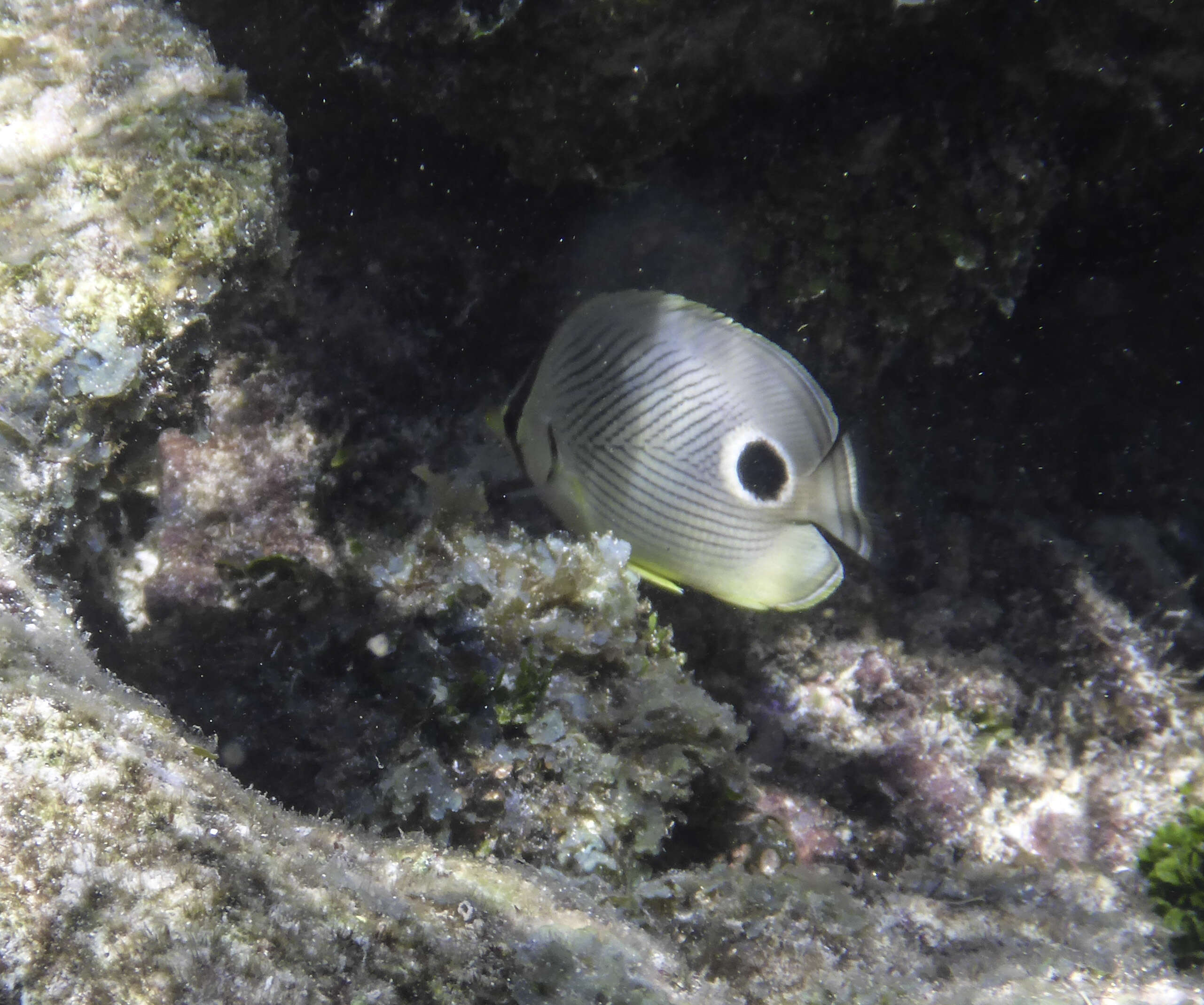
Chaetodon striatus Linnaeus, 1758 (Butterbun)
Inhabit coral reefs. Occur singly or in pairs. Feed on polychaete worms, coral polyps, crustaceans and mollusk eggs. Oviparous , monogamous . Form pairs during breeding . Adults may form plankton-feeding aggregations o...
Leer más
Leer más
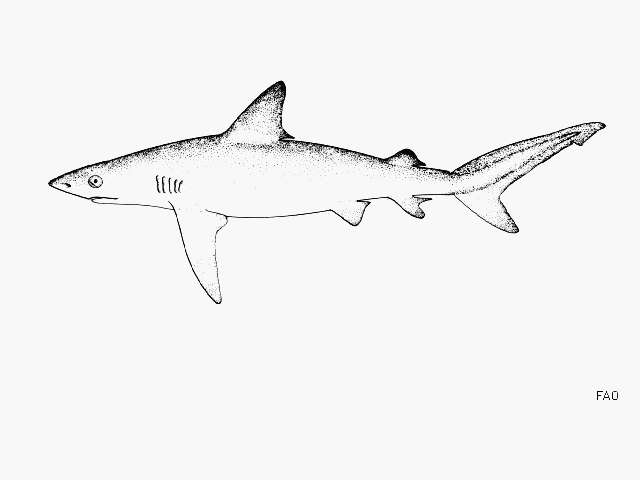
Carcharhinus perezii (Poey, 1876) (Caribbean reef shark)
Found on continental and insular shelves, often near drop-offs on the outer edges of reefs. May rest on the bottom . Usually found in reefs, at less than 30 m deep . Feed on bony fishes, including bigeyes . Viviparous ...
Leer más
Leer más
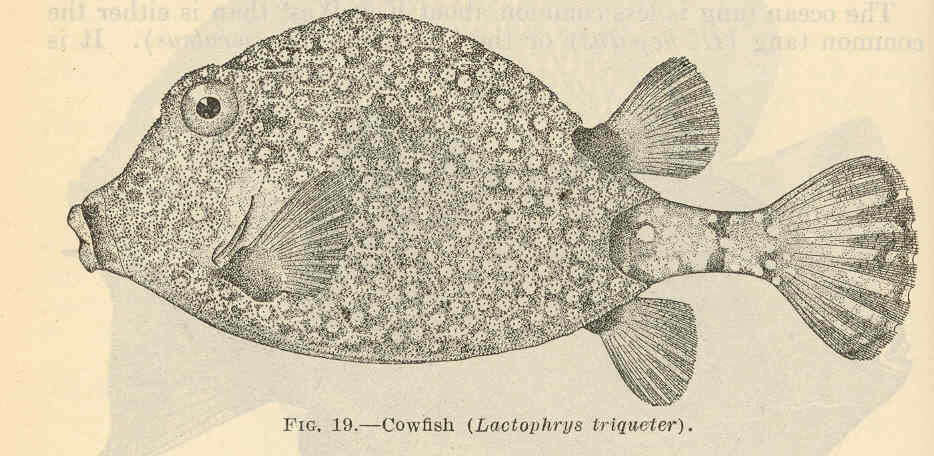
Lactophrys triqueter (Trunkfish)
Found on coral reefs . Solitary or in small groups . Feeds on a wide variety of small bottom invertebrates such as mollusks, crustaceans, worms, sessile tunicates and sponges exposed by a jet of water ejected through the ...
Leer más
Leer más
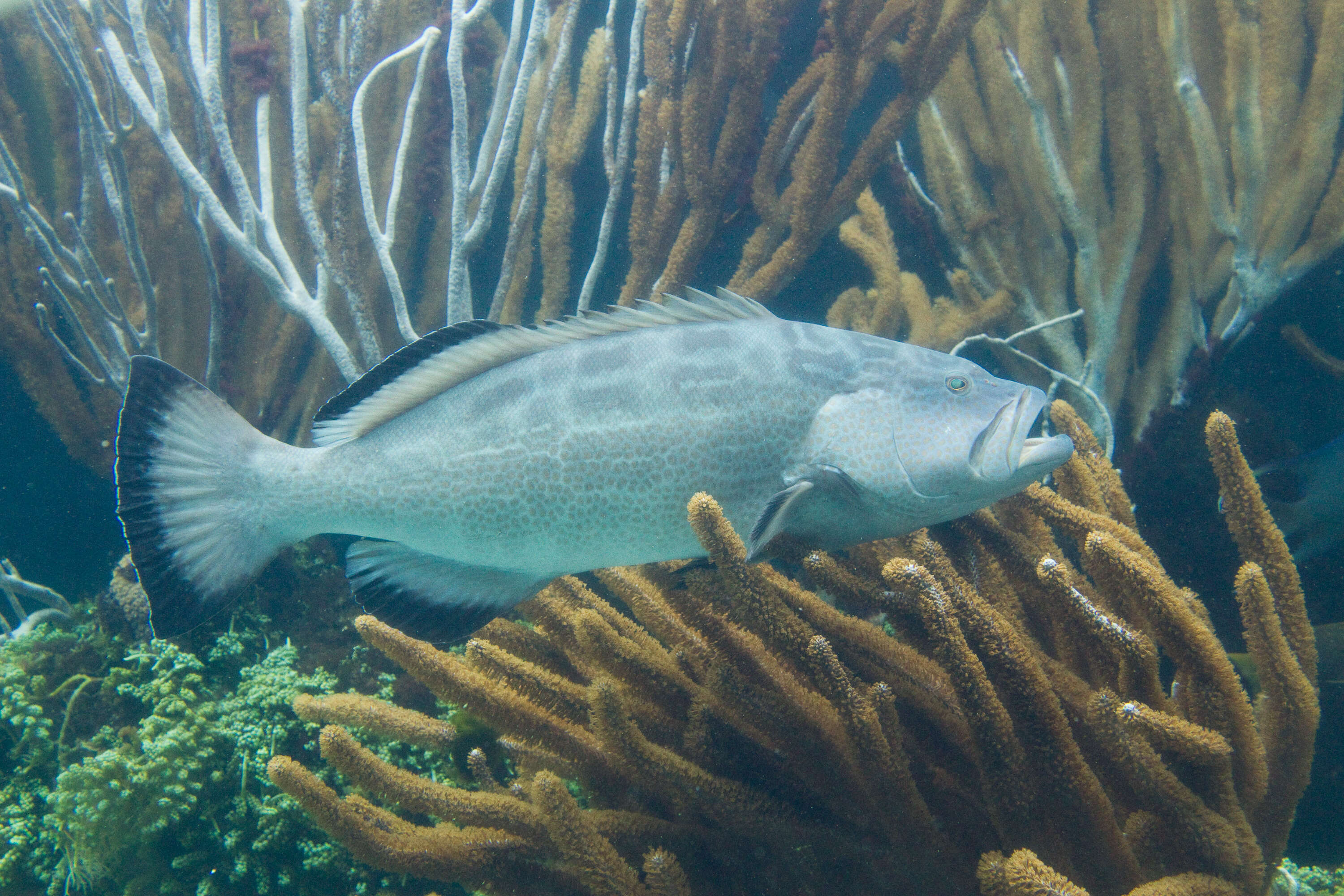
Mycteroperca bonaci (Poey, 1860) (Black gouper)
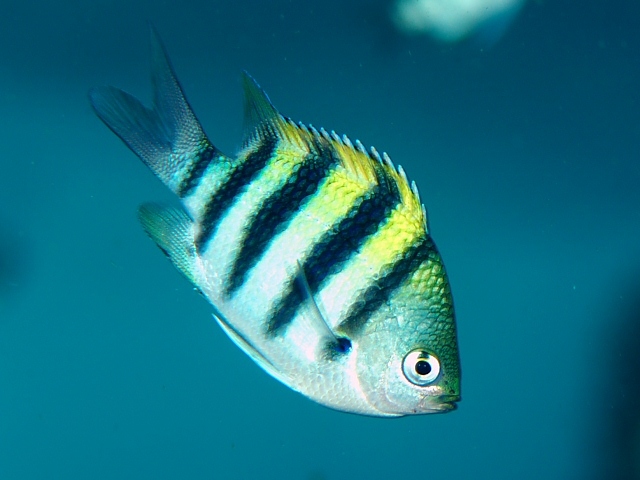
Abudefduf vaigiensis (Quoy and Gaimard, 1825) (Five finger)
Adults inhabit upper edge of outer reef slopes and inshore rocky reefs. Juveniles associated with drifting seaweed . Benthopelagic . Feed on zooplankton, benthic algae, and small invertebrates . Often in aggregations ,...
Leer más
Leer más
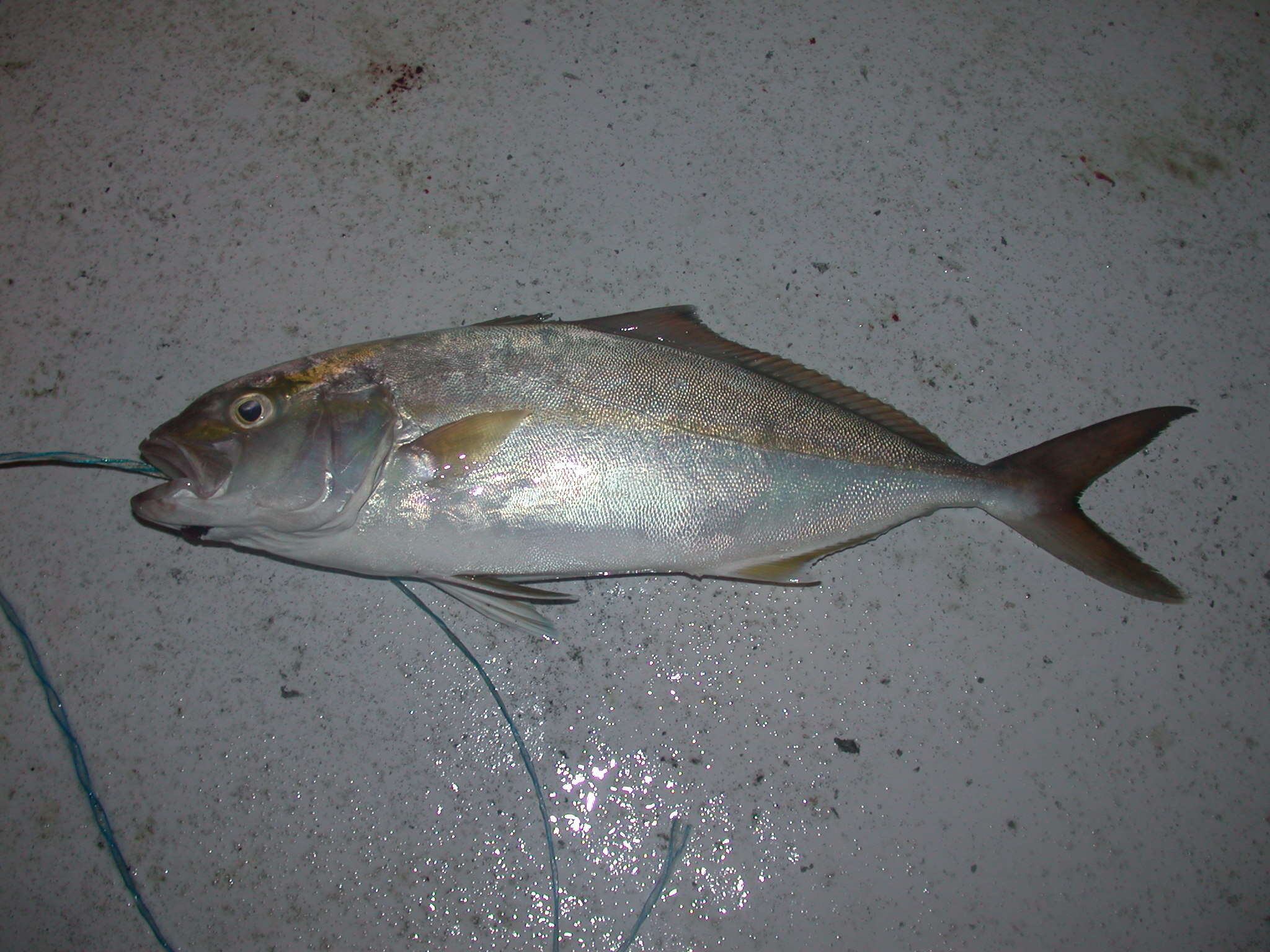
Seriola fasciata (Bloch, 1793) (Amberjack)
Coastal pelagic or demersal . Smaller juveniles epipelagic in oceanic or offshore neritic waters. Feed on squids and fishes . Eggs are pelagic .
Sphyraena barracuda (Edwards, 1771) (Alho)
Compartir en redes sociales
- Facebook:

Personaliza tu texto a compartir, así como su destino (muro, página...) o mándalo como un mensaje privado a un amigo
- Twitter: Tweet Personaliza tu tweet
- Google Plus:
Enlace directo a esta inmersión
- Enlace largo:
- Enlace corto:


 Estamos participando en el concurso de startups Techcrunch Disrupt. Apoya Diveboard votando por nosotros!