



 Dejan Deletic



 Fiyi
-
Nº125
 Fecha: 2024-11-14 - 08:35
-
 Profundidad máxima: 24m Duración: 42mins
Ubicación de inmersión

- Temp: Surf 30°C Parte inferior 26°C
- Tipo de buceo: Recreo, Arrecife
- Visibilidad: Media Agua: Salada
Equipo específico utilizado
- Pesos: 9 kg
Buceadores recientes en Beqa

Fotos recientes en Beqa
Tienda de buceo & compañeros
 Buceo con Misa de Beqa Lagoon Resort
 Compañeros de inmersión
Ana

Enlace a este sitio:
- Lugar:
- País:
- Zona:
- Zona acuática:
Perfil de la inmersión
- 1. Air
- 12L Steel 210 → 50 bar
- Profundidad media: 16m
Datos proporcionados por EOL.org


Especies identificadas
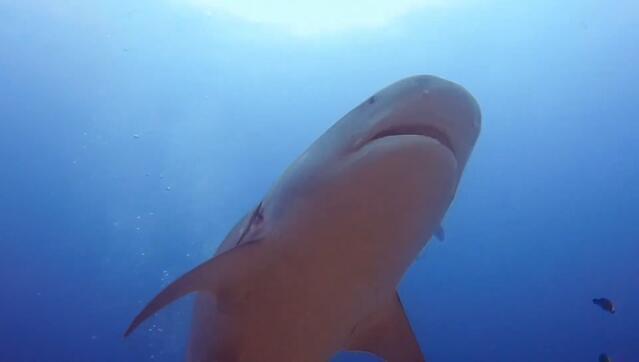
Carcharhinus leucas (Müller and Henle, 1839) (Bullshark)
The biology of the bull shark is still little known but it shows extraordinary physiological adaptations that allow it to persist in both freshwater and saltwater. Bull sharks have been captured in places you would never i...
Leer más
Leer más
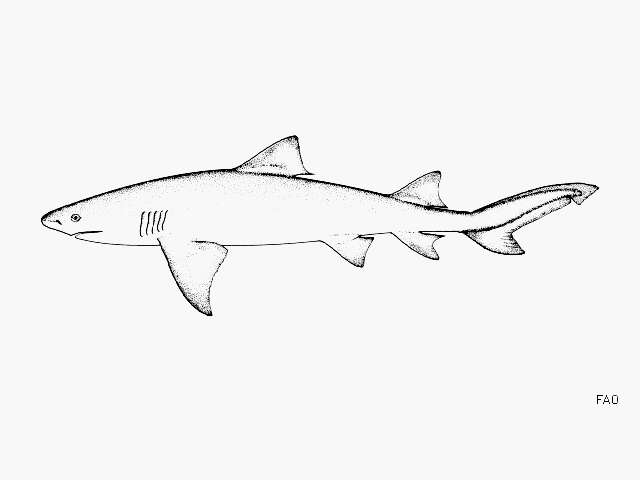
Negaprion brevirostris (Poey, 1868) (Lemon shark)
The lemon shark has been the subject of one of the most long-term and intensive studies on a shark species. Much of what is known about this shark is due to the work of Dr Samuel Gruber and his colleagues. This predator i...
Leer más
Leer más
Triaenodon obesus (Rüppell, 1837) (Whitetip reef shark)
Despite its docile nature during the day this nocturnal shark can become aggressive when hunting at night, thrashing through coral reefs looking for potential prey. The whitetip reef shark usually hunts alone, but is non-te...
Leer más
Leer más
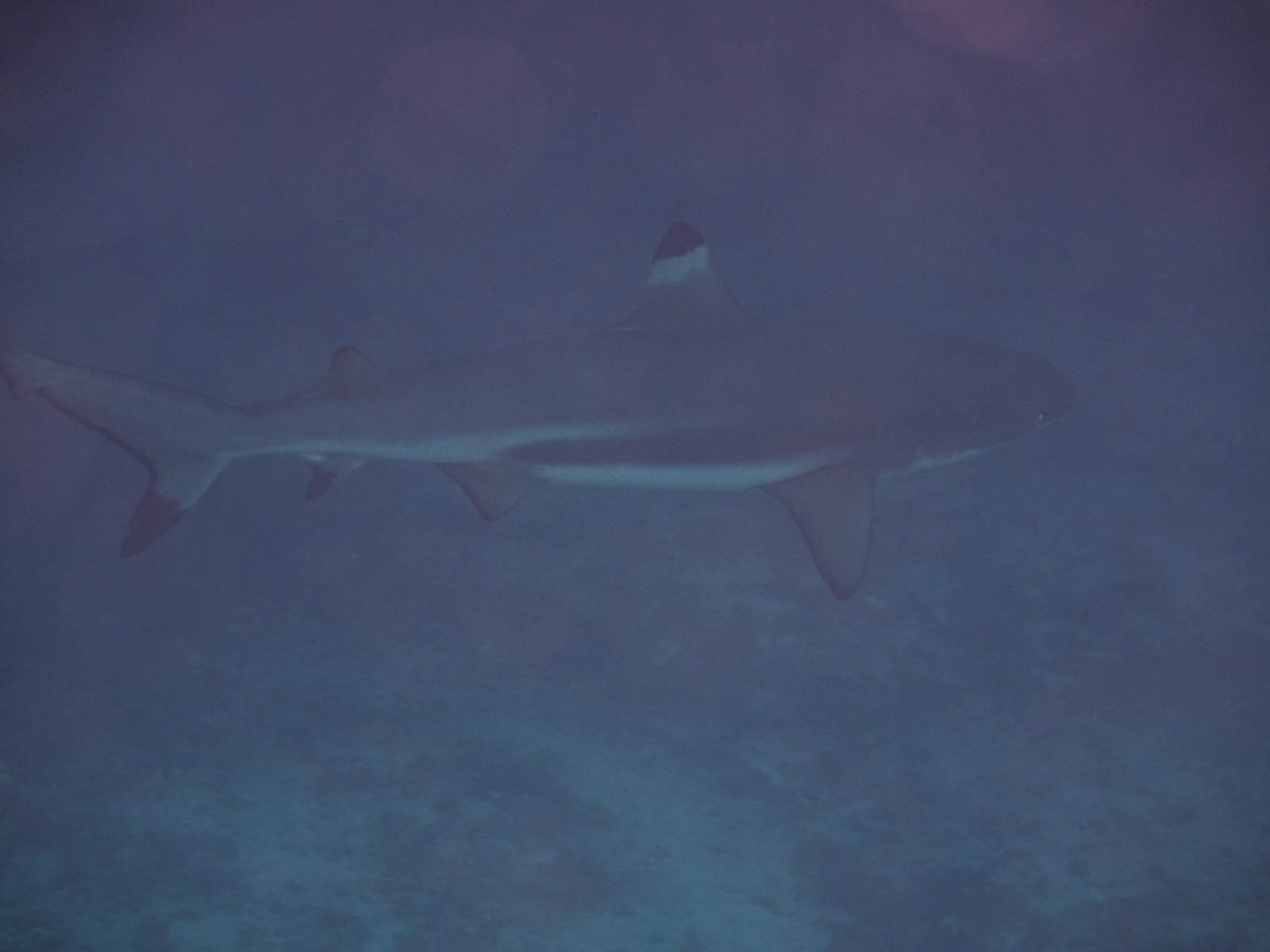
Carcharhinus melanopterus (Quoy and Gaimard, 1824) (blacktip reef shark)
This powerful swimmer is well known for its tendency to enter incredibly shallow water, and is often found in water only 30 centimetres deep or less, with its distinctive dorsal fin protruding from the surface of the water....
Leer más
Leer más
Compartir en redes sociales
- Facebook:

Personaliza tu texto a compartir, así como su destino (muro, página...) o mándalo como un mensaje privado a un amigo
- Twitter: Tweet Personaliza tu tweet
- Google Plus:
Enlace directo a esta inmersión
- Enlace largo:
- Enlace corto:


 Estamos participando en el concurso de startups Techcrunch Disrupt. Apoya Diveboard votando por nosotros!



























































































The Cathedral
Shark tooth search
Epic dive - lemon sharks circling as we jump into water. As we descend, a bunch of bull sharks come to check us out; after a few minutes they get bored and leave. It was scary for a while.
After that I started looking for teeth, and eventually found one - lemon shark's.
Safety stop was in a beautiful coral garden.