 Dkr82



 Australia

-
Nº24
 Fecha: 2012-06-15 - 11:45
-
 Profundidad máxima: 18m Duración: 45mins
Fotos

No hay fotos para esta inmersión
- Tipo de buceo: Recreo, Arrecife, Foto
- Visibilidad: Buena
Buceadores recientes en Flynn Reef, Cairns
Fotos recientes en Flynn Reef, Cairns
Tienda de buceo & compañeros
 Buceo con Silver Swift

Enlace a este sitio:
- Lugar:
- País:
- Zona:
- Zona acuática:
Perfil de la inmersión
Datos proporcionados por EOL.org




Especies identificadas
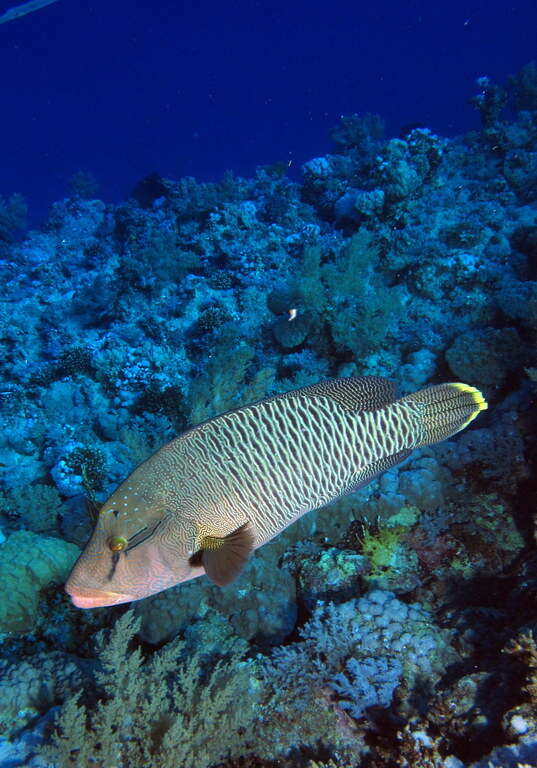
Cheilinus undulatus Rüppell, 1835 (Humphead wrasse)
Humphead wrasses are extremely long-lived, known to survive for at least 30 years, and taking around five to seven years to reach sexual maturity . Adults are usually solitary, spending the day roaming the reef and returnin...
Leer más
Leer más
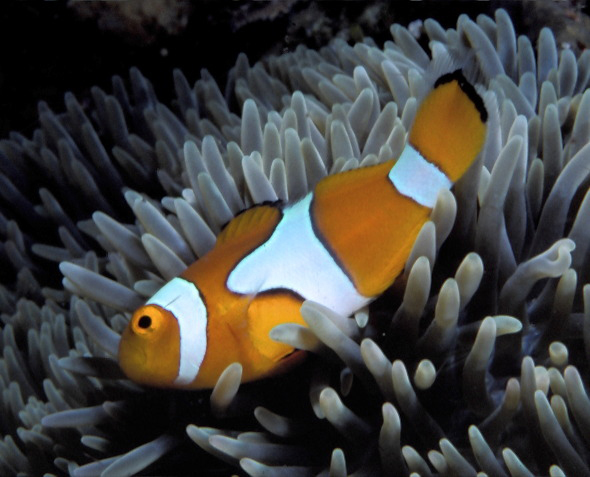
Amphiprion percula (Lacepède, 1802) (Orange clownfish)
Inhabits lagoon and seaward reefs . Each group of fish consists of a breeding pair and 0-4 non-breeders. Within each group there is a size-based hierarchy: the female is largest, the male is second largest, and the non-b...
Leer más
Leer más
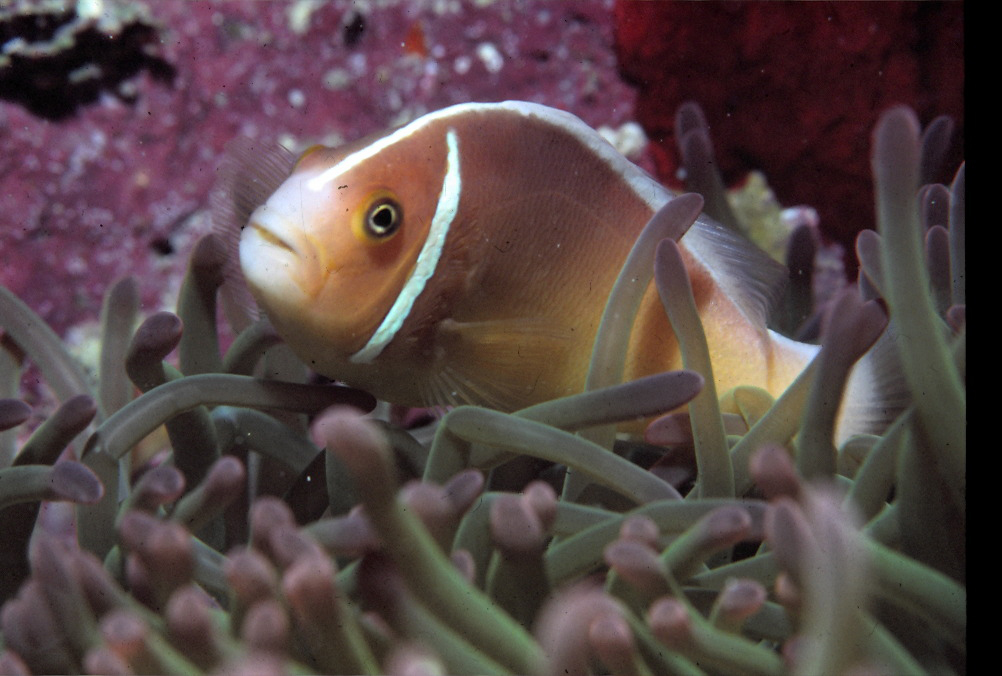
Amphiprion perideraion Bleeker, 1855 (False skunk-striped anemonefish)
Inhabits lagoon and seaward reefs . Mainly diurnal. Non-burrowing. Monogamous . A protandrous hermaphrodite . Associated with the anemones: Heteractis magnifica , Heteractis crispa, Macrodactyla doreensis, and Stichod...
Leer más
Leer más
Thalassoma quinquevittatum (Lay and Bennett, 1839) (Fivestripe wrasse)
Found in clear outer lagoon reefs and exposed seaward reefs. Abundant in shallow exposed areas with surge channels , with gutters, large Acropora plates and algae bottom . Benthopelagic . Males are often in small loose ...
Leer más
Leer más
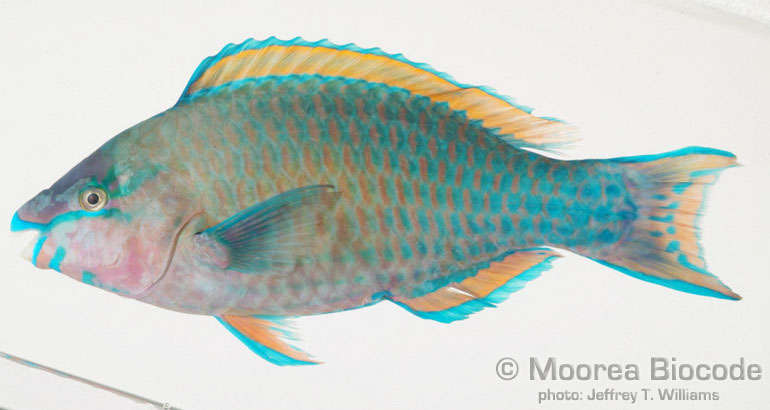
Scarus psittacus Forsskål, 1775 (Common parrotfish)
Inhabit reef flats and lagoon and seaward reefs to at least 25 m depth . Found over corals . Benthopelagic . Initial-phase fish stage usually form small feeding schools . Graze on benthic algae . Secrete a mucus cocoon .
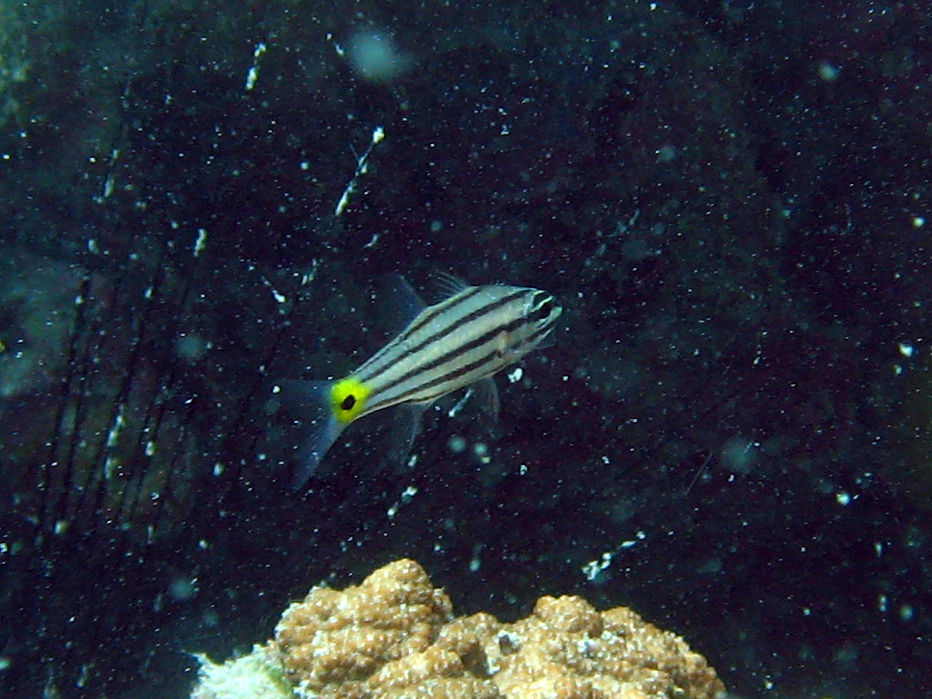
Cheilodipterus quinquelineatus Cuvier, 1828 (Fiveband cardinalfish)
Inhabits reef flats and lagoon and seaward reefs to a depth of 40 m or more. Occurs singly or in small to large aggregations, taking shelter in dark crevices, branched coral, under ledges, and among the spines of Diadema s...
Leer más
Leer más
Istigobius ornatus (Rüppell, 1830) (ornate goby)
A common species that inhabits mangroves and silty, rocky areas; occasionally found in rubble reef areas. Only single individuals were observed; many individuals found scattered over a small area . Found primarily in lowe...
Leer más
Leer más
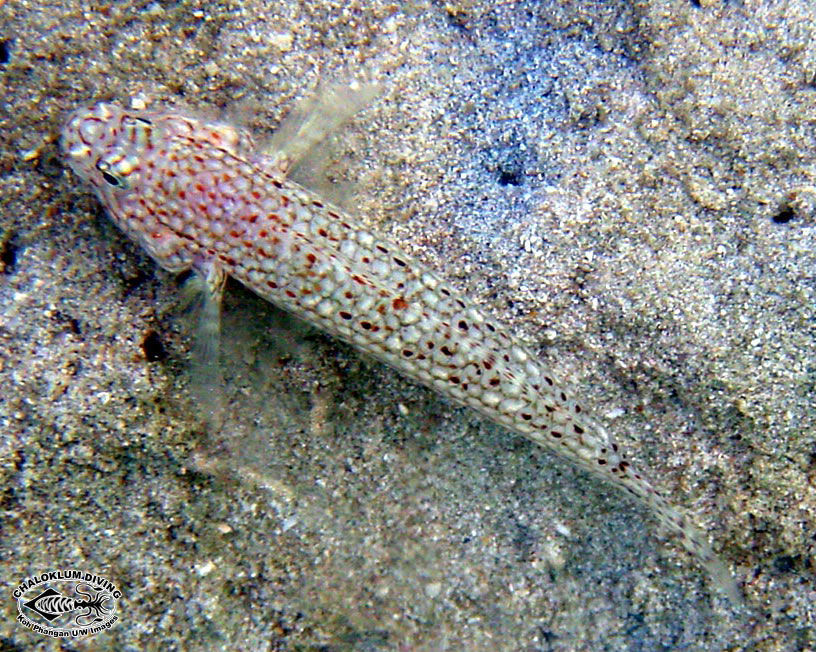
Redigobius bikolanus (Herre, 1927) (Speckled goby)
Adults inhabit creeks, rivers and brackish estuaries . Found in tidal streams . Sometimes seen upstream a short distance from the tidal zone. Feed on small fishes and invertebrates. Not seen in markets .
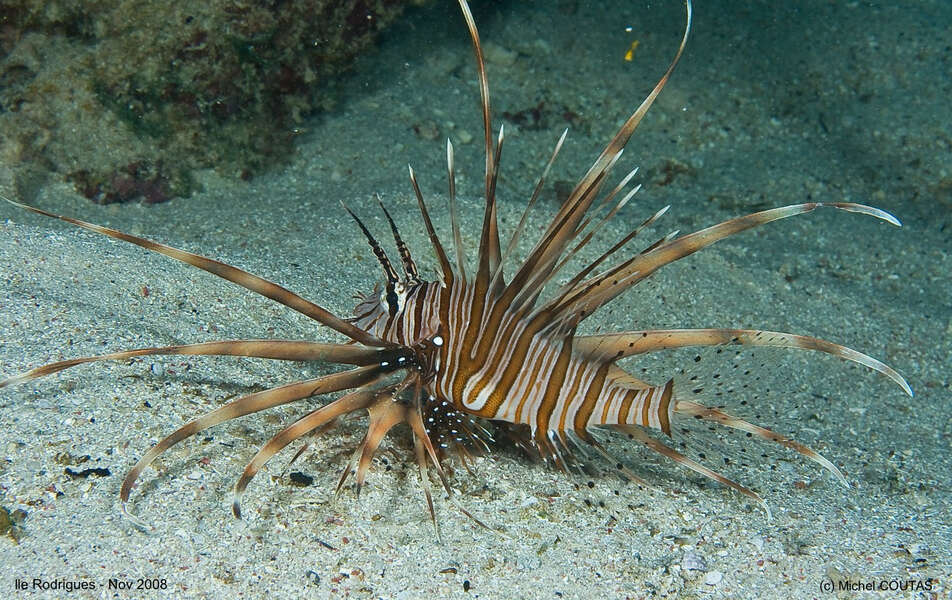
Pterois volitans (Linnaeus, 1758) (Red lionfish)
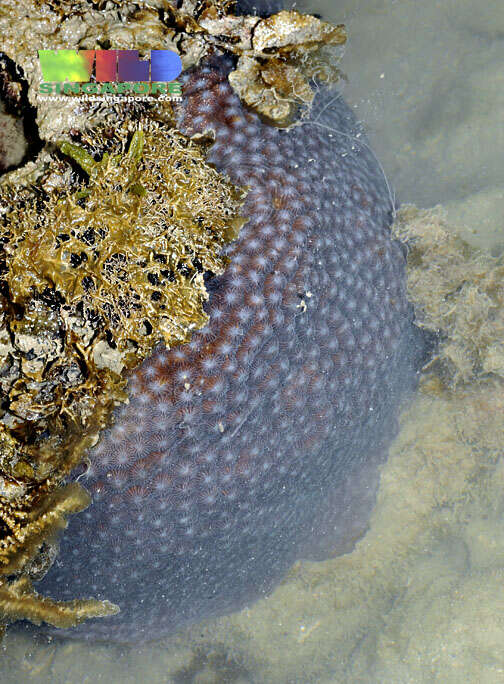
Diploastrea heliopora (Lamarck, 1816) (Double-star coral)
zooxanthellate
Lutjanus erythropterus Bloch, 1790 (saddletailed sea perch)
Inhabit trawling grounds and reefs. They are present over shoals, rubble, corals, large epibenthos, hard or sandy mud substrates and offshore reefs . Juveniles from about 2.5 cm length inhabit shallow waters over muddy su...
Leer más
Leer más
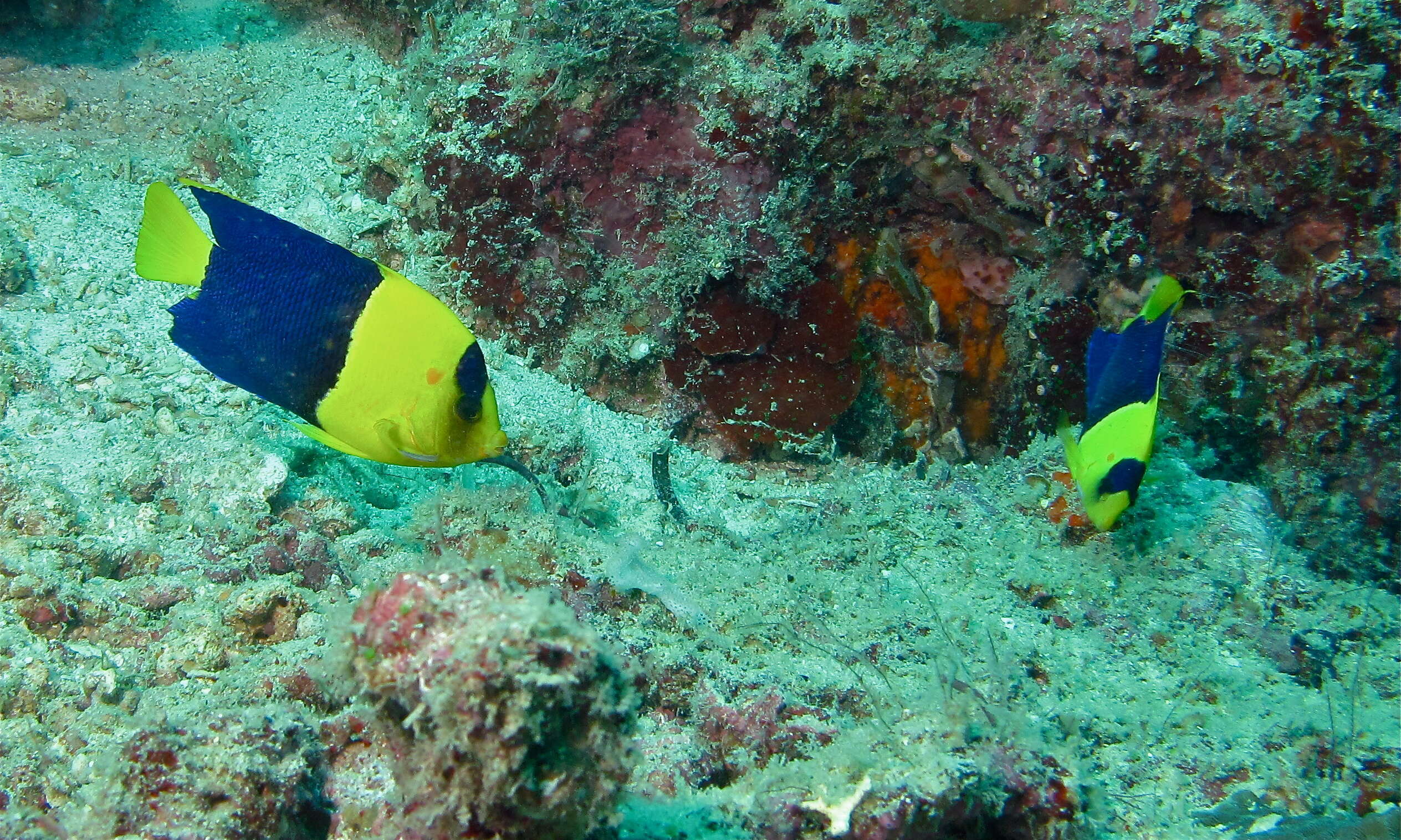
Centropyge bicolor (Bloch, 1787) (Bicolor angelfish)
Inhabits lagoon, channel, or protected seaward reef slopes, drop offs, coral and rubble areas . Usually in pairs or in small groups. Feeds on algae, small crustaceans and worms. Darts from one hiding place to the next. Commonly exported through the aquarium trade .
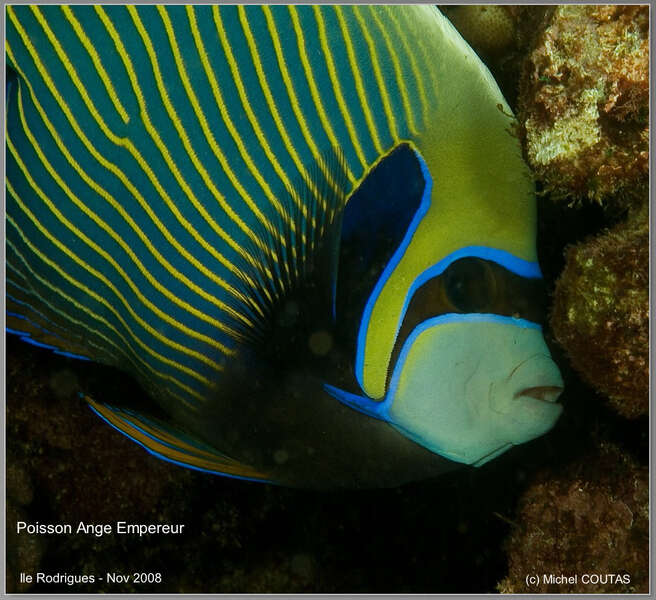
Pomacanthus imperator (Bloch, 1787) (Angel fish)
Juveniles are encountered under ledges, or in holes of outer lagoon patch reefs or semi-protected areas of exposed channels and outer reef flats. Subadults move to reef front holes and surge channels. Large adults inhabit...
Leer más
Leer más
Centropyge flavissima (Cuvier, 1831) (Lemonpeel angelfish)
Occur in coral rich areas of shallow lagoon and exposed seaward reefs from the lower surge zone to 50 m . Benthopelagic . Juveniles secretive . Feed mainly on algae. Live as long as 11 years in captivity . Frequently exported through the aquarium trade .
Compartir en redes sociales
- Facebook:

Personaliza tu texto a compartir, así como su destino (muro, página...) o mándalo como un mensaje privado a un amigo
- Twitter: Tweet Personaliza tu tweet
- Google Plus:
Enlace directo a esta inmersión
- Enlace largo:
- Enlace corto:


 Estamos participando en el concurso de startups Techcrunch Disrupt. Apoya Diveboard votando por nosotros!