Eric Kuijt


 Alemania

-
Nº60
 Fecha: 2016-06-11 - 13:00
-
 Profundidad máxima: 7m Duración: 74mins
Fotos

No hay fotos para esta inmersión
- Temp: Surf 25°C Parte inferior 23°C
- Visibilidad: Mala Agua: Dulce
Equipo específico utilizado
- Pesos: 4 kg
Dive reviews
| Puntuación general | ||
| Dificultad de la inmersión | ||
| Calidad de vida marina |
Buceadores recientes en Nordrhein-westfalen

Fotos recientes en Nordrhein-westfalen
Tienda de buceo & compañeros
 Compañeros de inmersión
Dennis Van Beek

Enlace a este sitio:
- Lugar:
- País:
- Zona:
- Zona acuática:
Perfil de la inmersión
- 1. Air
- 9L Steel 200 → 50 bar
- Profundidad media: 4.7m
Datos proporcionados por EOL.org
Especies identificadas
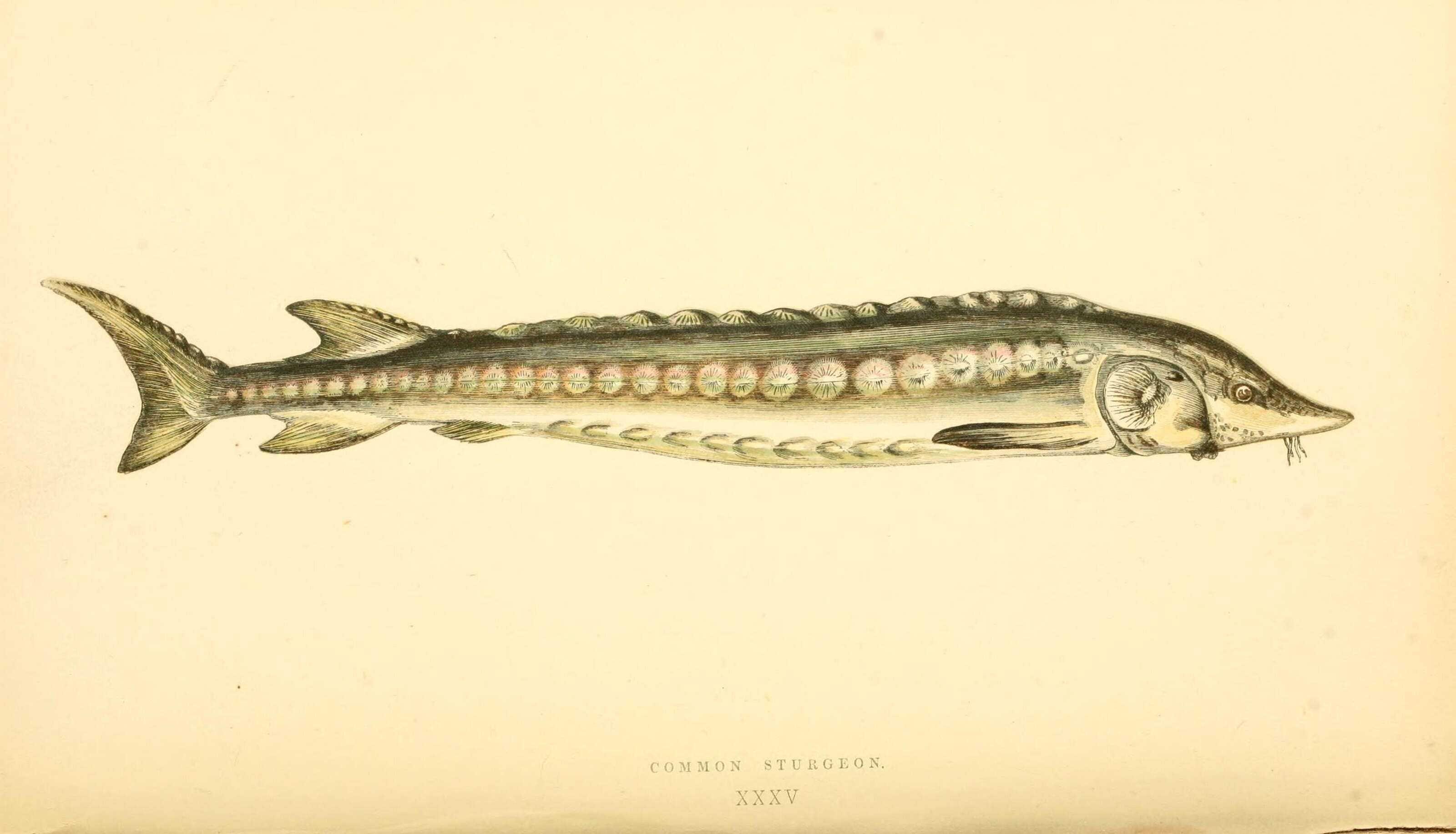
Acipenser sturio Linnaeus, 1758 (Sturgeon)
Sturgeons are generally solitary, spending a number of years at sea before returning to the river where they were born, in order to breed in their turn. Entering the river in spring, mature individuals migrate upriver to th...
Leer más
Leer más
Perca fluviatilis Linnaeus, 1758 (European perch)
Perch live in schools, often mixing with other species of fish, usually in the top 50 metres of water. Spawning takes place in April, the very sticky eggs being produced in bands. Females twine these bands around submerged ...
Leer más
Leer más
Scardinius erythrophthalmus (Linnaeus, 1758) (pearl roach)
Occurs mainly in nutrient-rich, well vegetated lowland rivers, backwaters, oxbows, ponds and lakes. Feeds mainly on plankton, terrestrial insects and plant material. Breeds on roots or submerged plants. Can adapt to unfav...
Leer más
Leer más
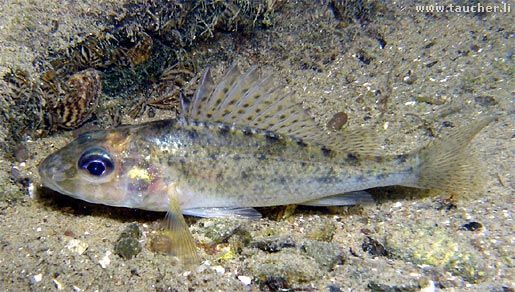
Gymnocephalus cernuus (Linnaeus, 1758) (blacktail)
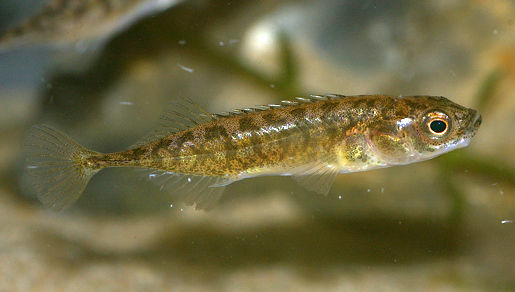
Pungitius pungitius (Linnaeus, 1758) (Ninespine stickleback)
Found in shallow vegetated areas of lakes, ponds, and pools of sluggish streams; sometimes in open water over sand . Marine populations found near shore and move into fresh water to spawn . There appears to be seasonal mo...
Leer más
Leer más
Abramis brama (Linnaeus, 1758) (Carp bream)
Inhabit a wide variety of lakes and large to medium sized rivers. Most abundant in backwaters, lower parts of slow-flowing rivers, brackish estuaries and warm and shallow lakes . Adults occur usually in still and slow-run...
Leer más
Leer más
Compartir en redes sociales
- Facebook:

Personaliza tu texto a compartir, así como su destino (muro, página...) o mándalo como un mensaje privado a un amigo
- Twitter: Tweet Personaliza tu tweet
- Google Plus:
Enlace directo a esta inmersión
- Enlace largo:
- Enlace corto:


 Estamos participando en el concurso de startups Techcrunch Disrupt. Apoya Diveboard votando por nosotros!