



 Ksso


 Egipto

-
Nº46
 Fecha: 2011-10-29 - 10:46
-
 Profundidad máxima: 11.5m Duración: 61mins
Fotos

No hay fotos para esta inmersión
- Temp: Surf 29°C Parte inferior 25°C
- Tipo de buceo: Recreo
- Visibilidad: Media Agua: Salada
Equipo específico utilizado
- Ordenador: Mares - Nemo Excel
Buceadores recientes en Hurghada


Fotos recientes en Hurghada




Tienda de buceo & compañeros
 Buceo con Willy de Pirates Diving Network
 Pirates Diving Network confirmada la inmersión con parámetros: 11.5m / 61mins

Enlace a este sitio:
- Lugar:
- País:
- Zona:
- Zona acuática:
Perfil de la inmersión
- 1. Air
- 12L Aluminium 200 → 30 bar
- Profundidad media: 7.3m
- SAC: 1.61 bar/min
- RMV: 19.32 L/min
Datos proporcionados por EOL.org



Especies identificadas
Corythoichthys (Pipefish)
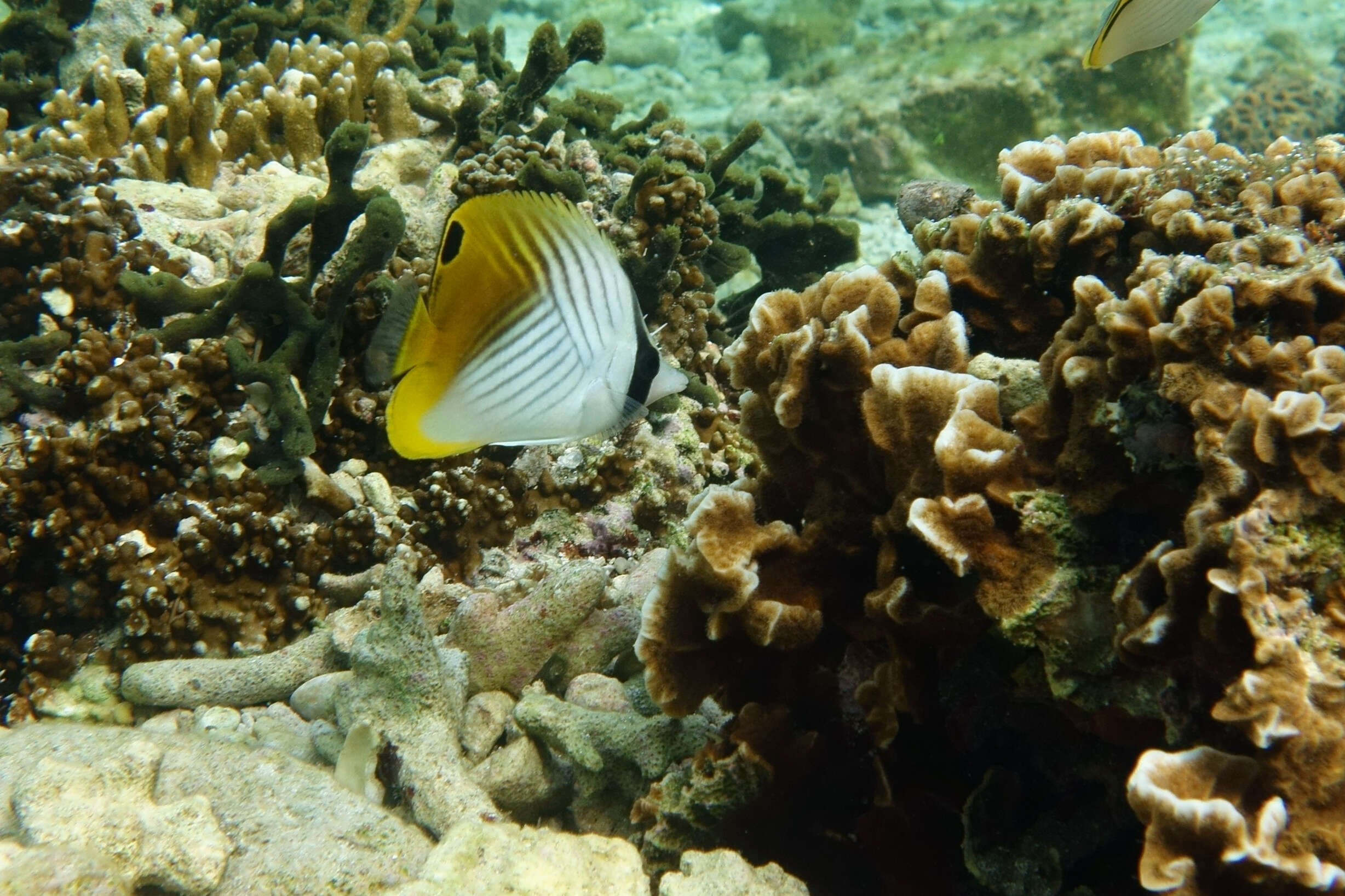
Chaetodon auriga Forsskål, 1775 (Cross-stripe butterfly)
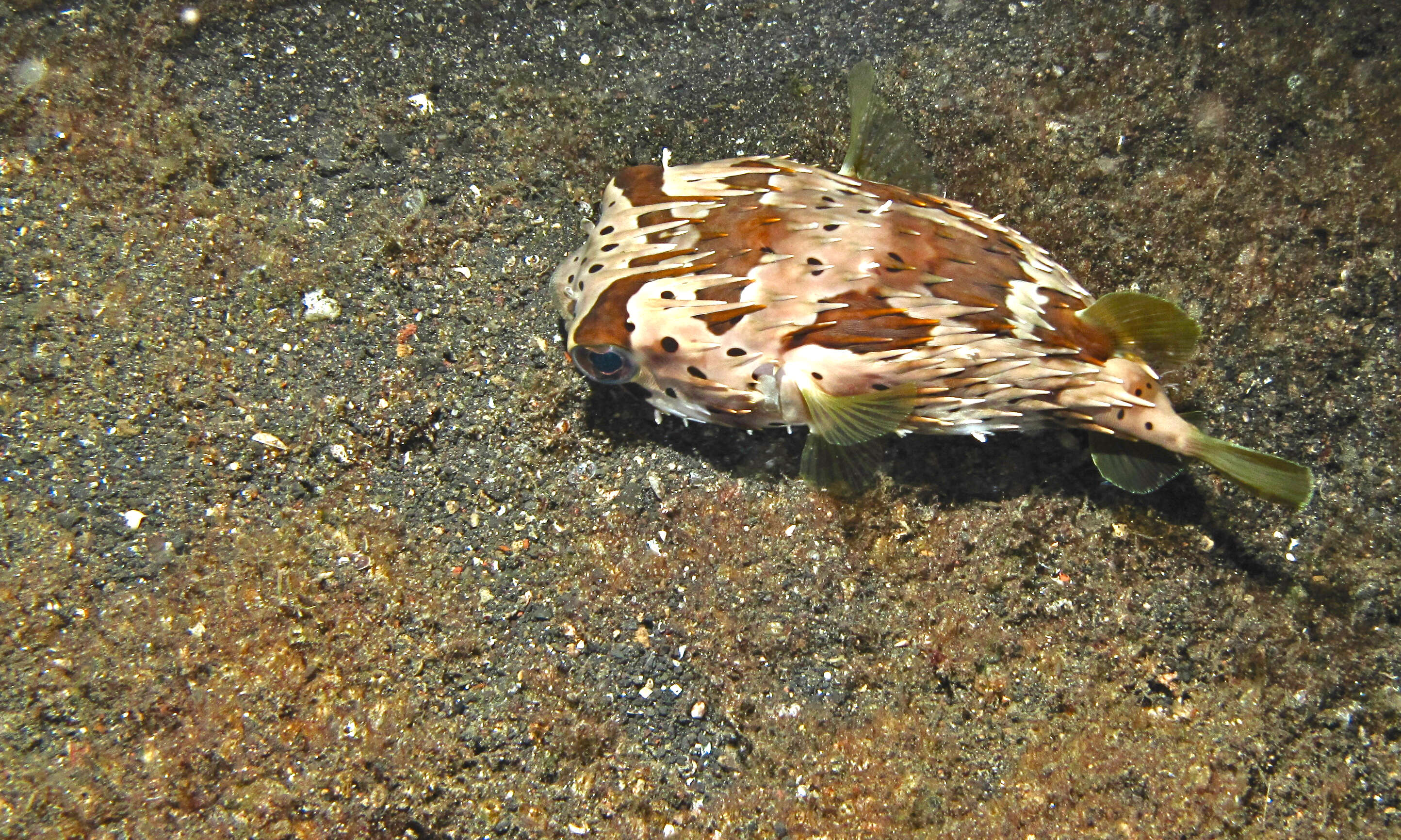
Diodon holocanthus Linnaeus, 1758 (Long-spine porcupinefish)
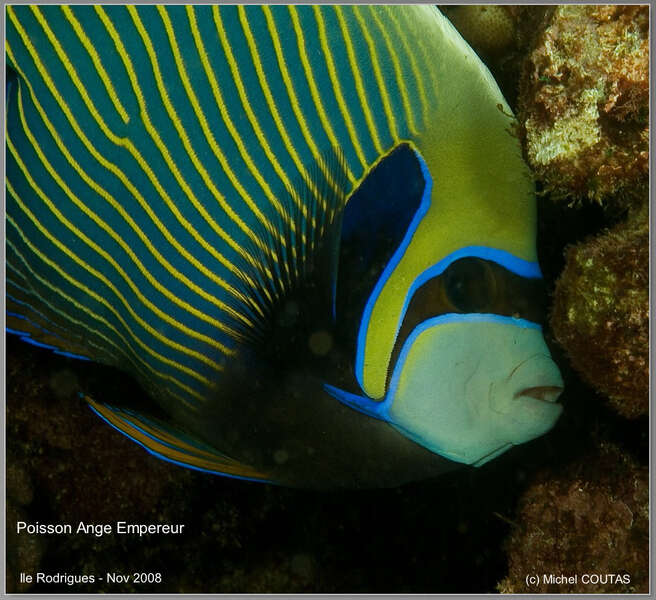
Pomacanthus imperator (Bloch, 1787) (Angel fish)
Juveniles are encountered under ledges, or in holes of outer lagoon patch reefs or semi-protected areas of exposed channels and outer reef flats. Subadults move to reef front holes and surge channels. Large adults inhabit...
Leer más
Leer más
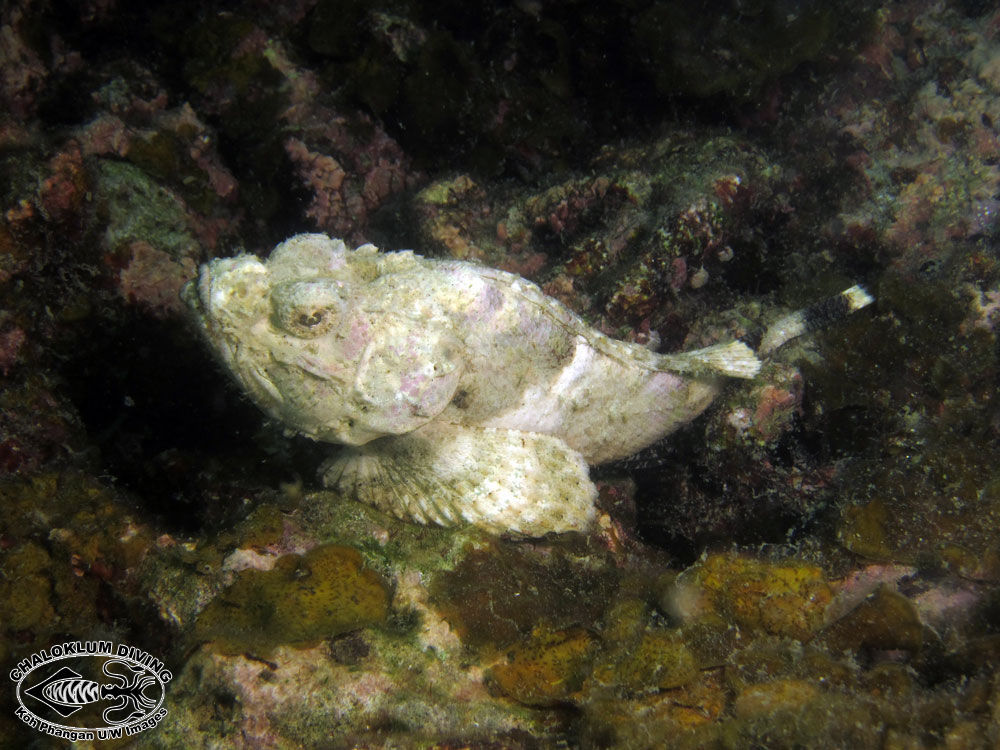
Scorpaenopsis diabolus (Cuvier, 1829) (False stonefish)
Relatively an uncommon inhabitant of rubble or weedy coralline-rock bottoms of reef flats and lagoon and seaward reefs . Benthic . Flashes its inner pectoral fins when disturbed . Can inflict a painful injury with its venomous dorsal sting. Often partly buried .
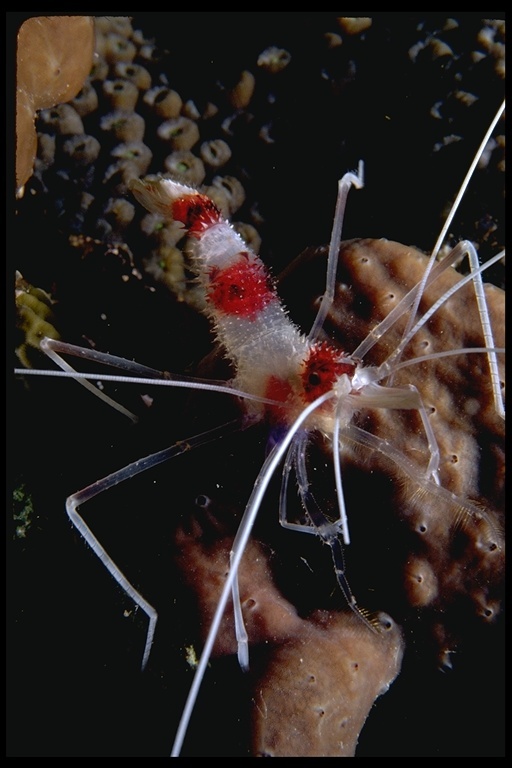
Stenopus hispidus (Olivier, 1811) (banded coral shrimp)
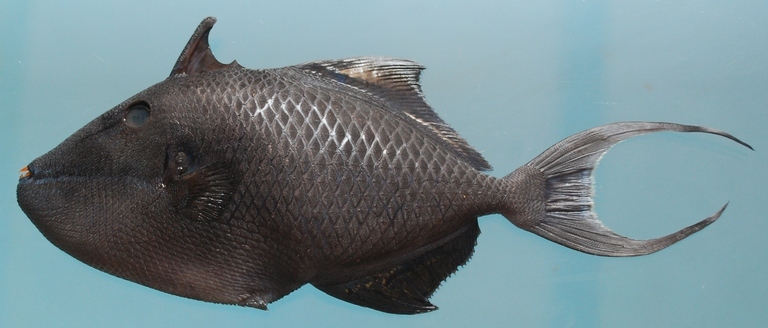
Odonus niger (Rüppell, 1836) (Redtoothed triggerfish)
Inhabits reef channels or along slopes that are subject to strong currents . Occur in current-swept seaward coral reefs. Usually form aggregations and feed on zooplankton as well as sponges . Juveniles associated with is...
Leer más
Leer más
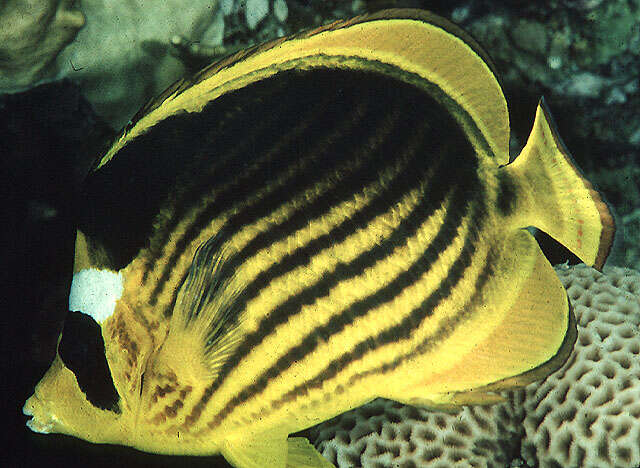
Chaetodon fasciatus Forsskål, 1775 (Diagonal butterflyfish)
Commonly found on reef flats . Usually solitary or in pairs in areas with rich coral growth. Monogamous . Feed mainly on coral polyps . Oviparous . Form pairs during breeding .
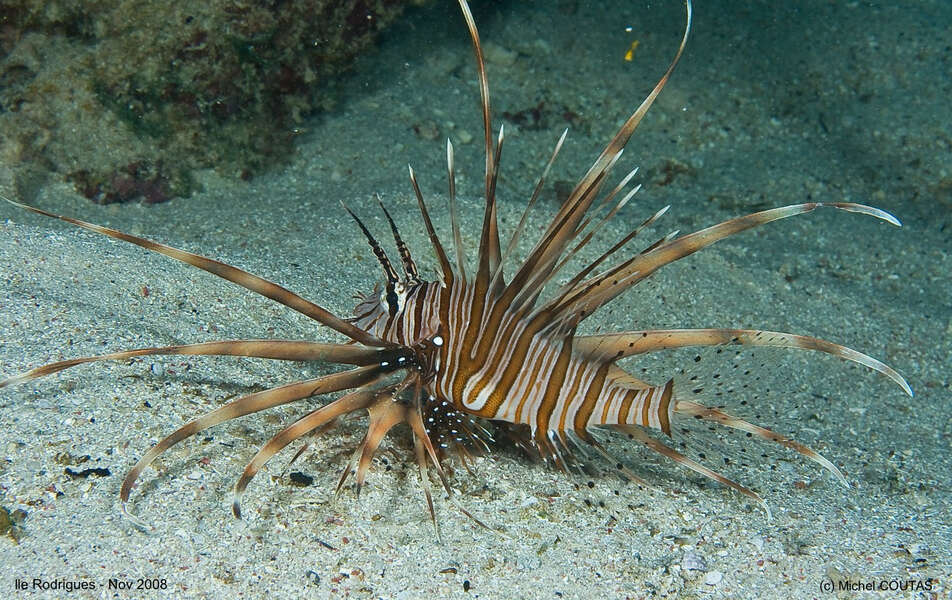
Pterois volitans (Linnaeus, 1758) (Red lionfish)
Epinephelus fuscoguttatus (Forsskål, 1775) (black rockcod)
This long-lived fish has a fascinating and complex life-history. It is a protogynous hermaphrodite, meaning that individuals first function sexually as females and then later, at least some of the mature females change to ...
Leer más
Leer más
Scarus (parrotfishes)
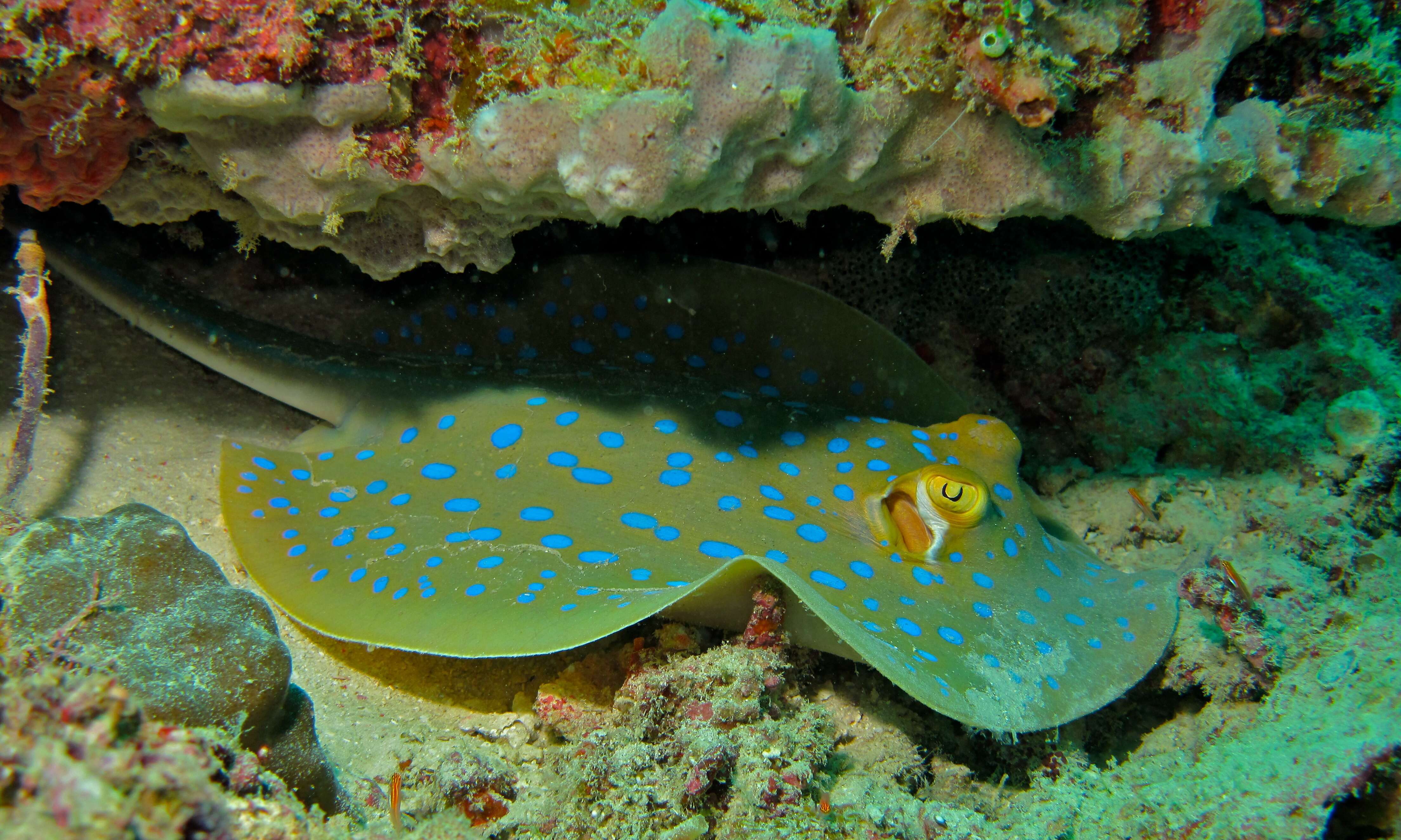
Taeniura lymma (Forsskål, 1775) (Bluespotted ribbontail ray)
Blue-spotted stingrays live alone or in small groups , migrating in large schools into shallow sandy areas on the rising tide in order to feed, and dispersing back into the ocean as the tide falls to shelter in the coral cr...
Leer más
Leer más
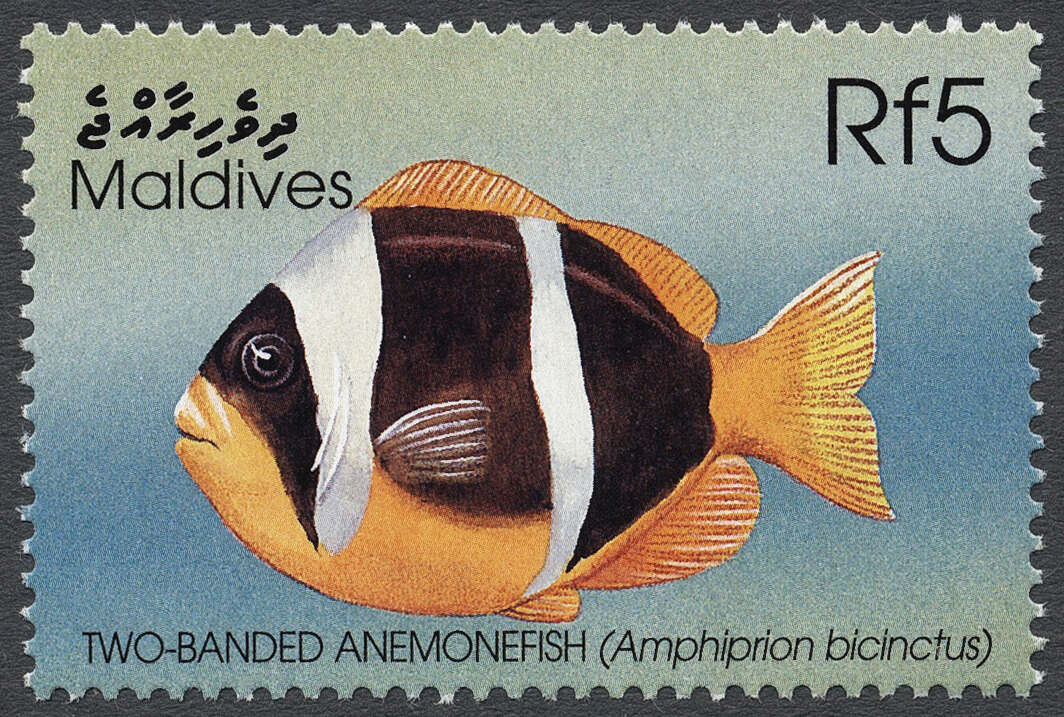
Amphiprion bicinctus Rüppell, 1830 (threebanded anemonefish)
Inhabits lagoons and outer reefs. Oviparous, with elliptical eggs . Monogamous . Has been reared in captivity . Associated with the anemones: Entacmaea quadricolor, Heteractis aurora, Heteractis crispa, Heteractis magnifica, and Stichodactyla gigantea .
Compartir en redes sociales
- Facebook:

Personaliza tu texto a compartir, así como su destino (muro, página...) o mándalo como un mensaje privado a un amigo
- Twitter: Tweet Personaliza tu tweet
- Google Plus:
Enlace directo a esta inmersión
- Enlace largo:
- Enlace corto:


 Estamos participando en el concurso de startups Techcrunch Disrupt. Apoya Diveboard votando por nosotros!


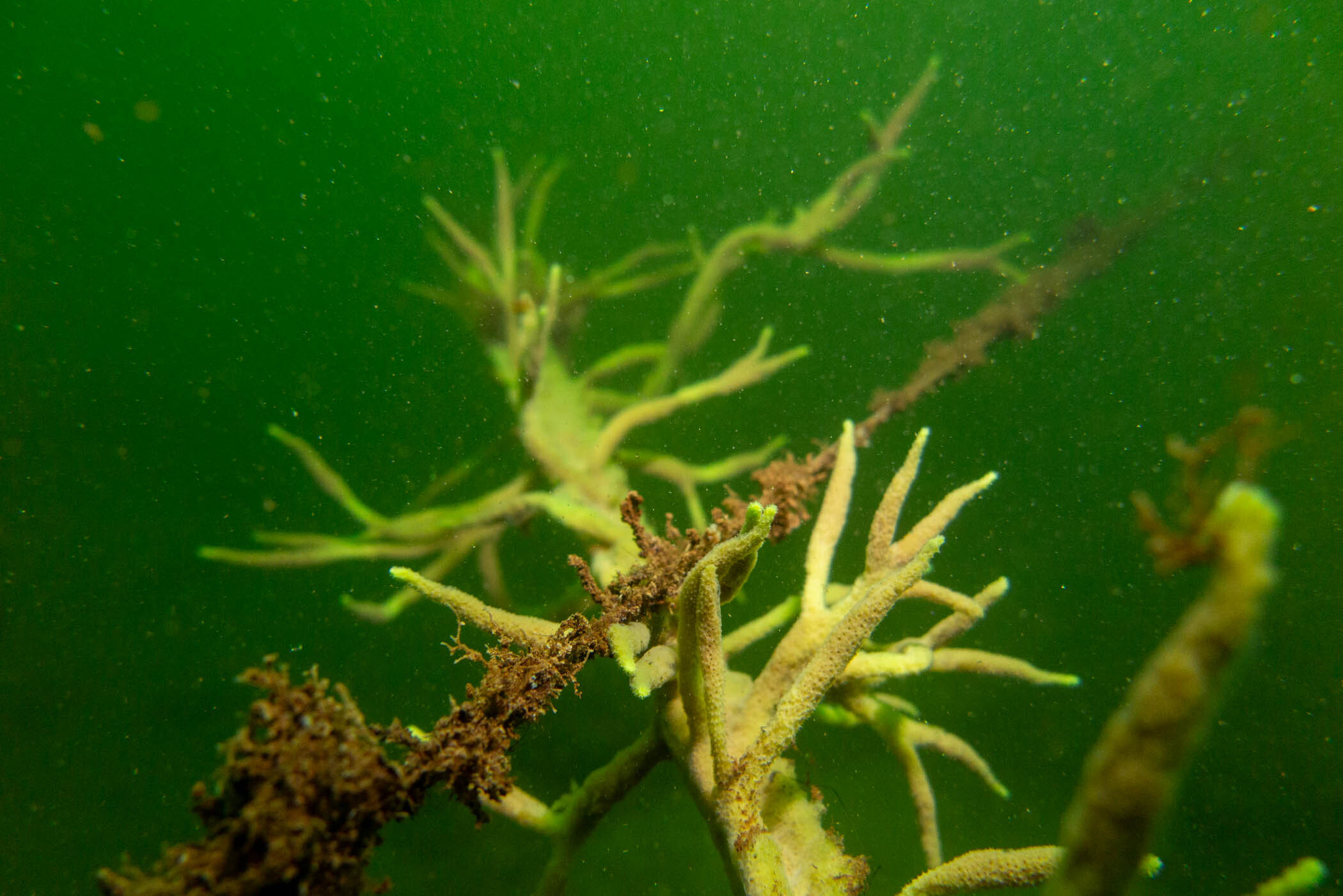
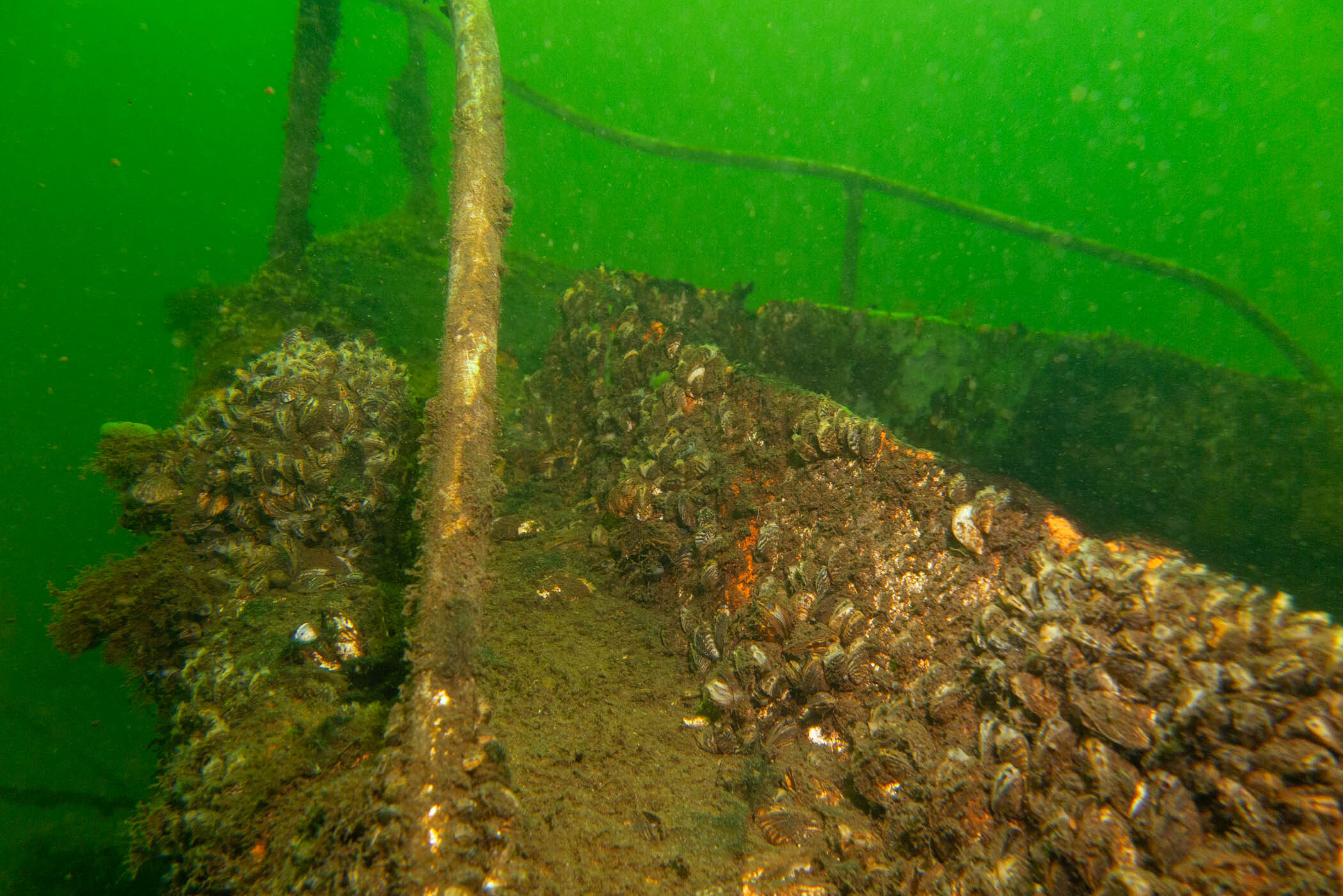
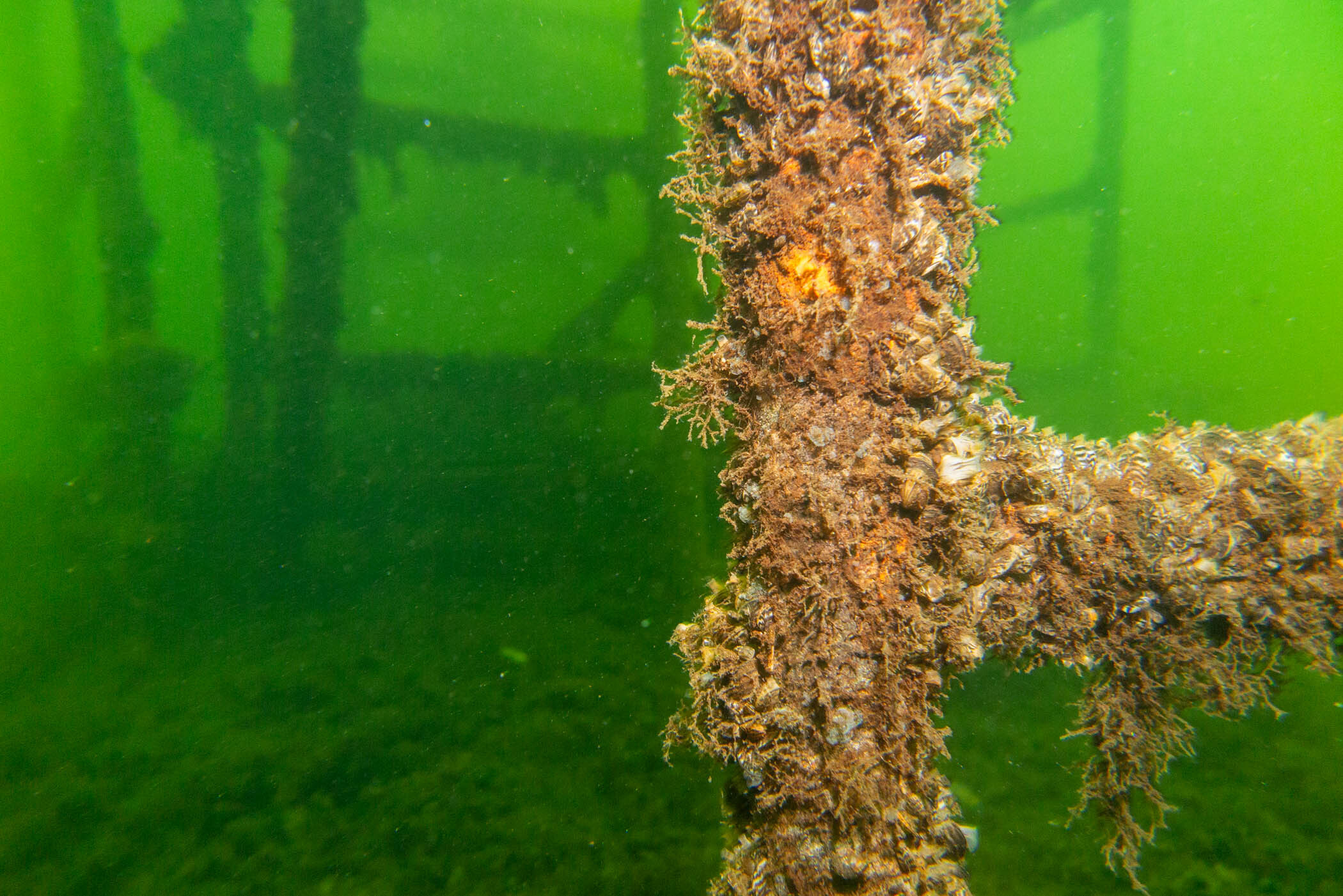
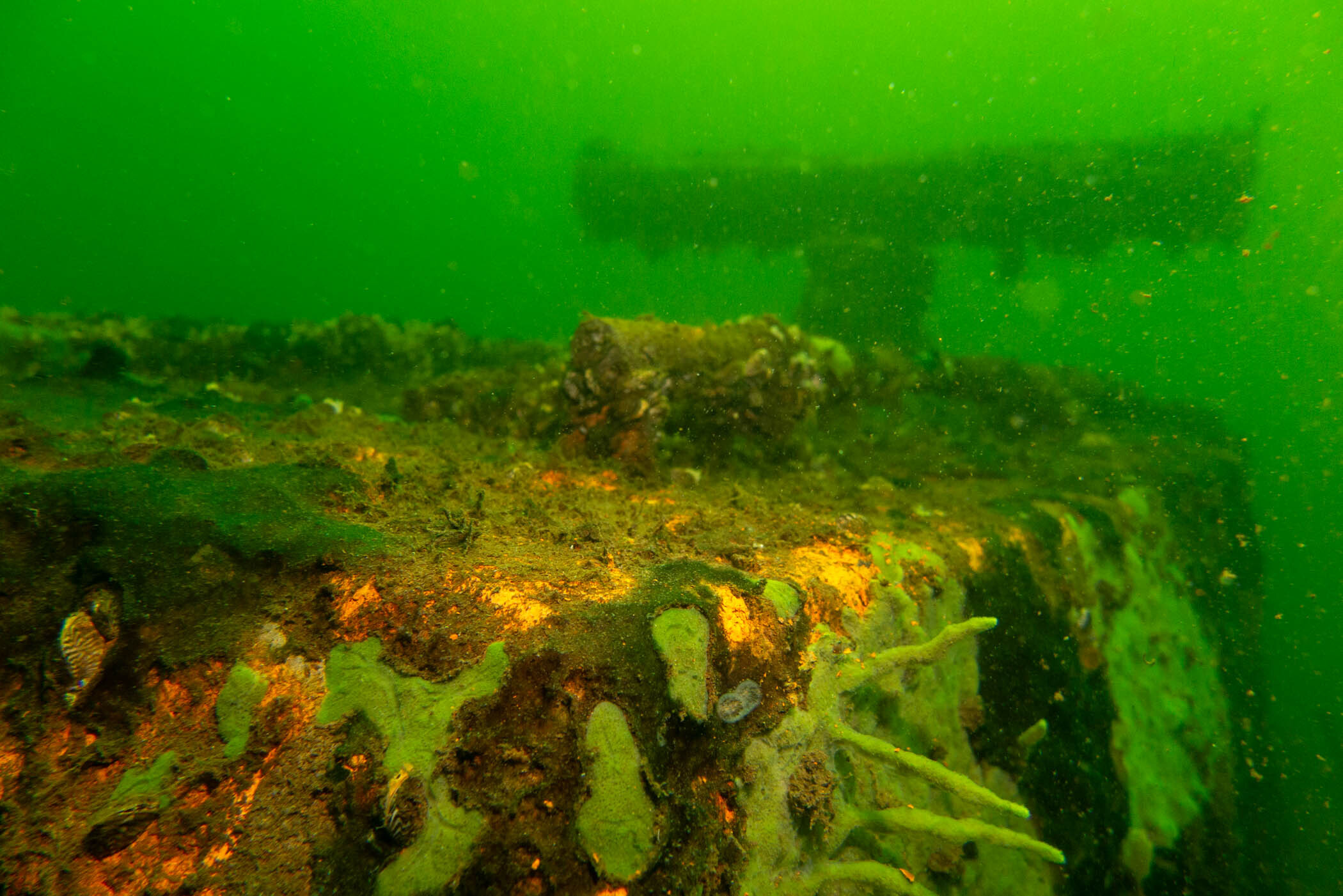
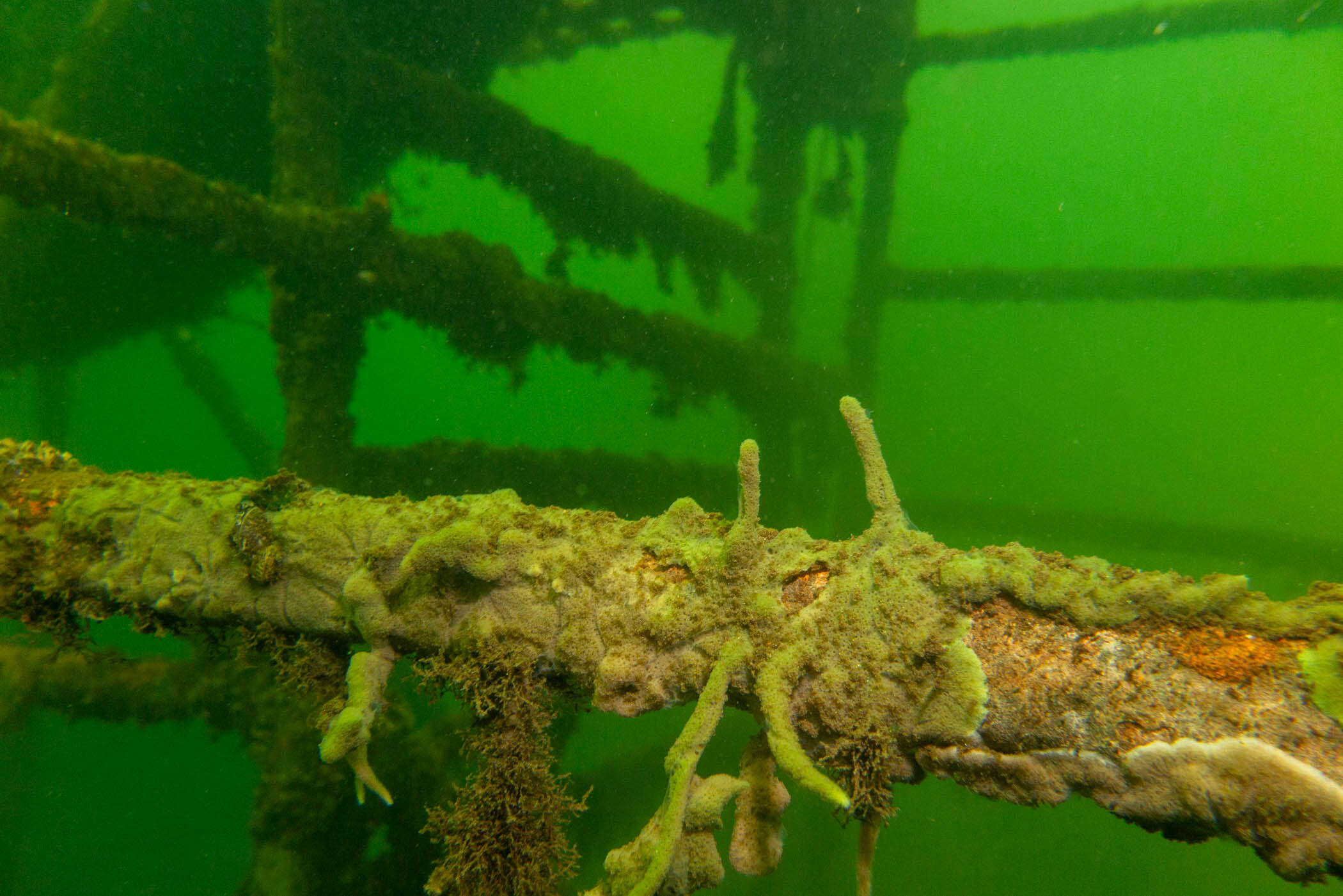
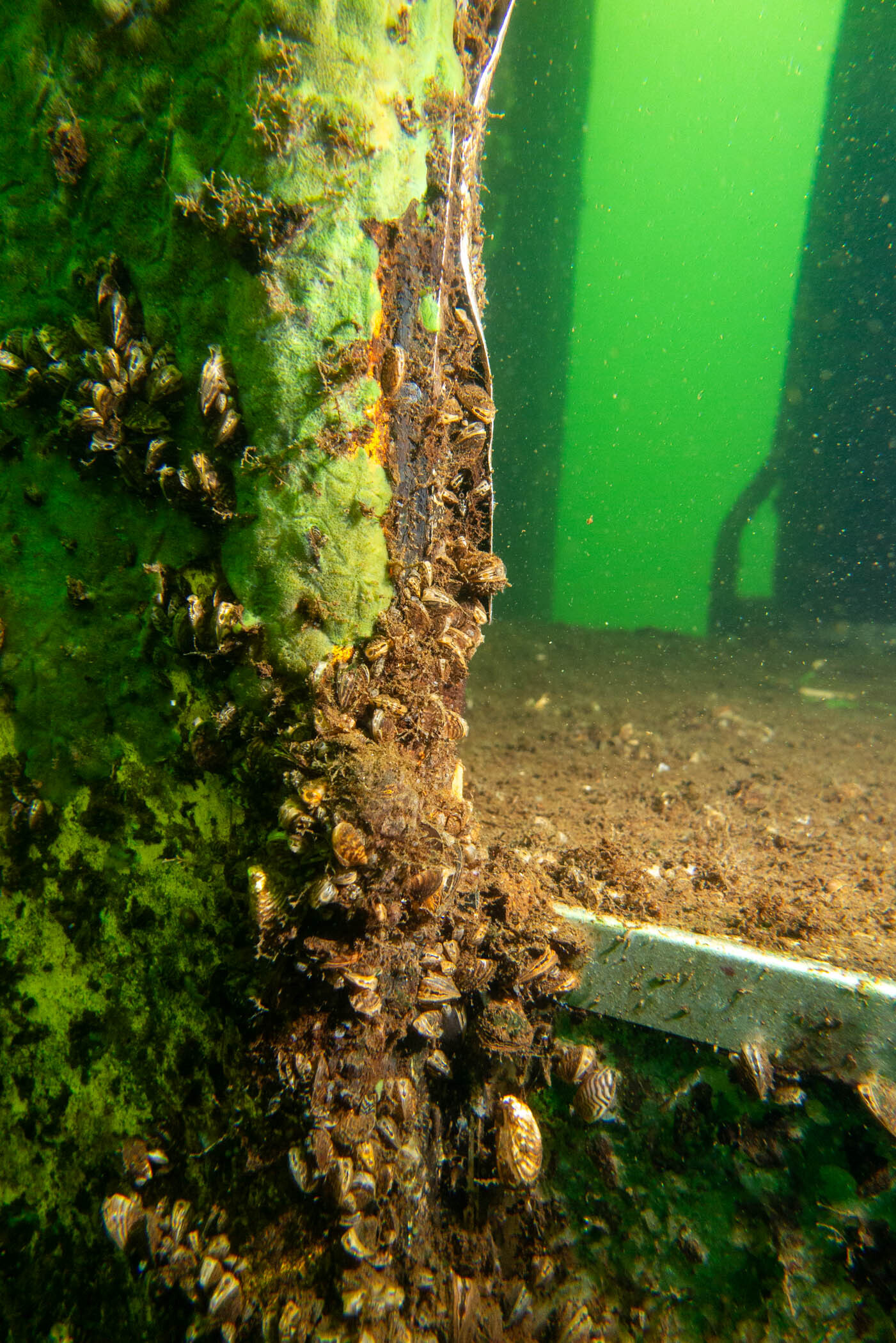
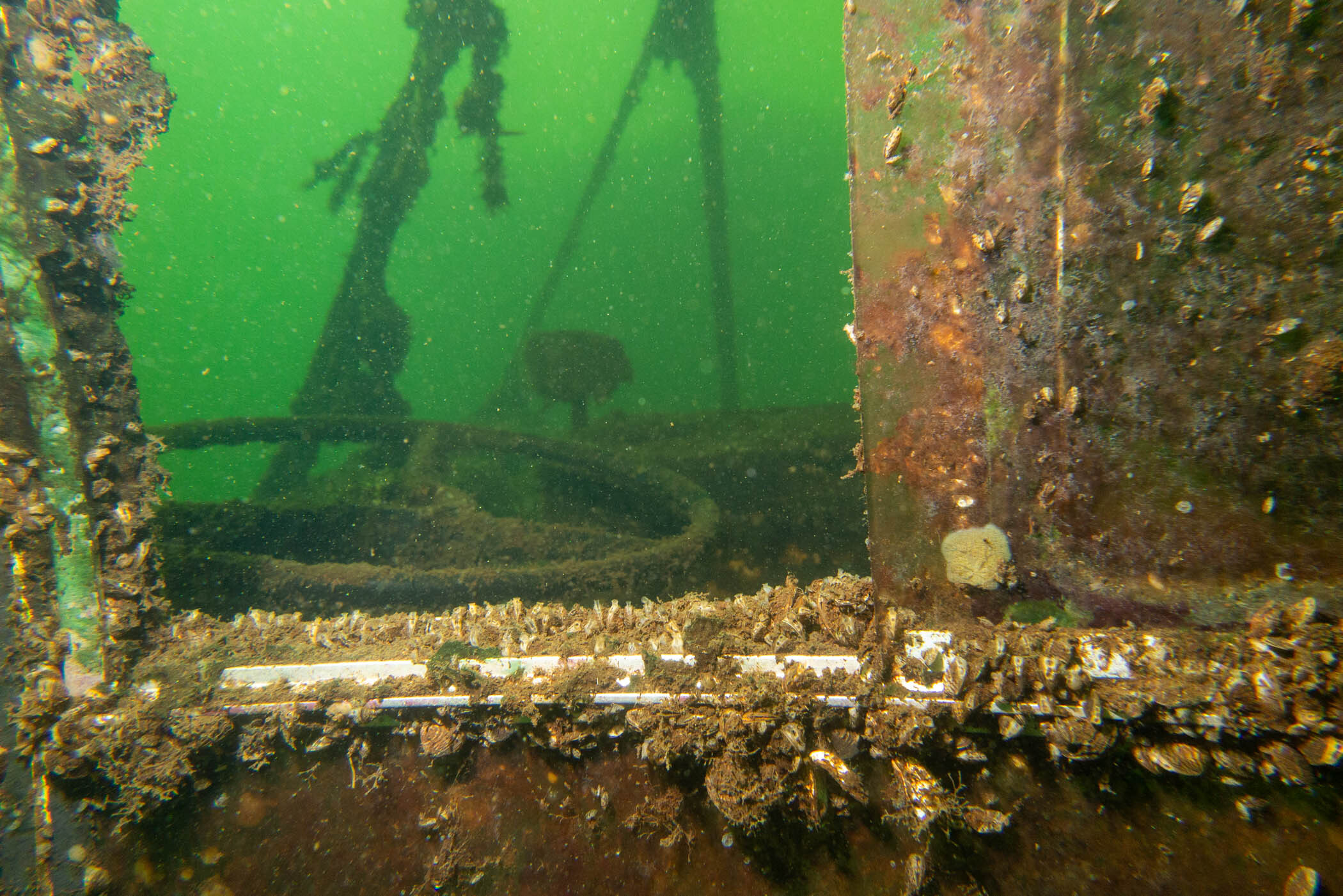
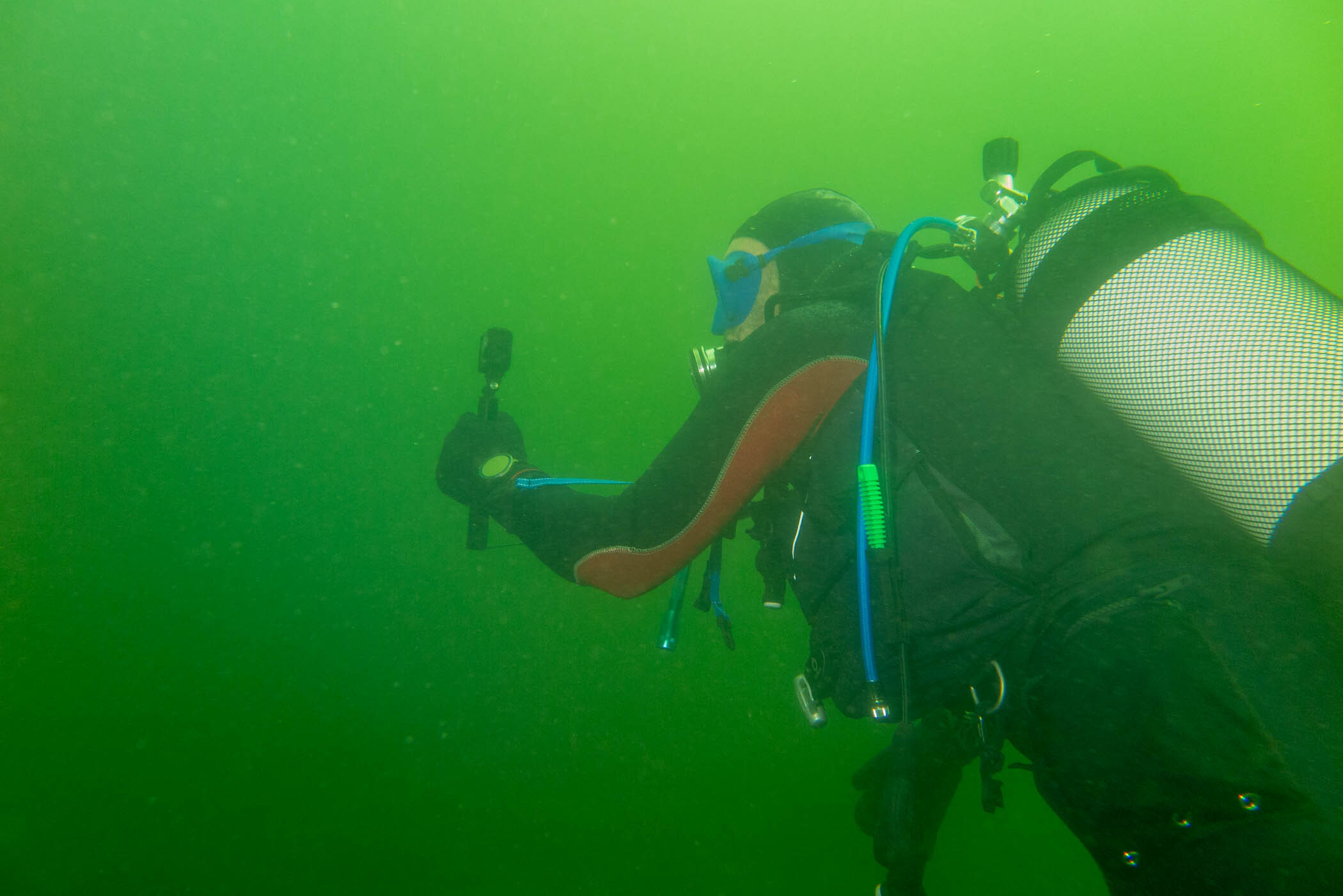
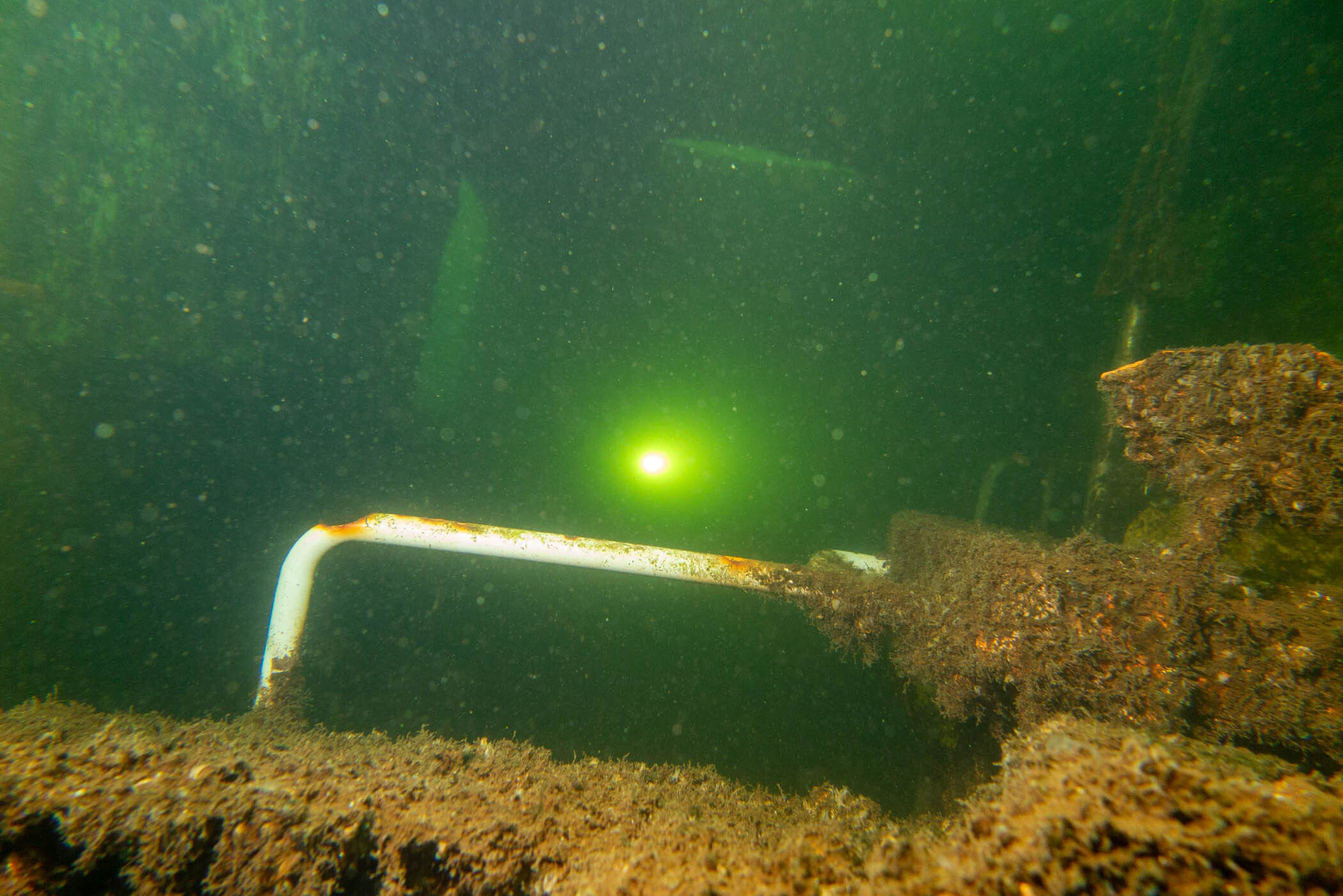
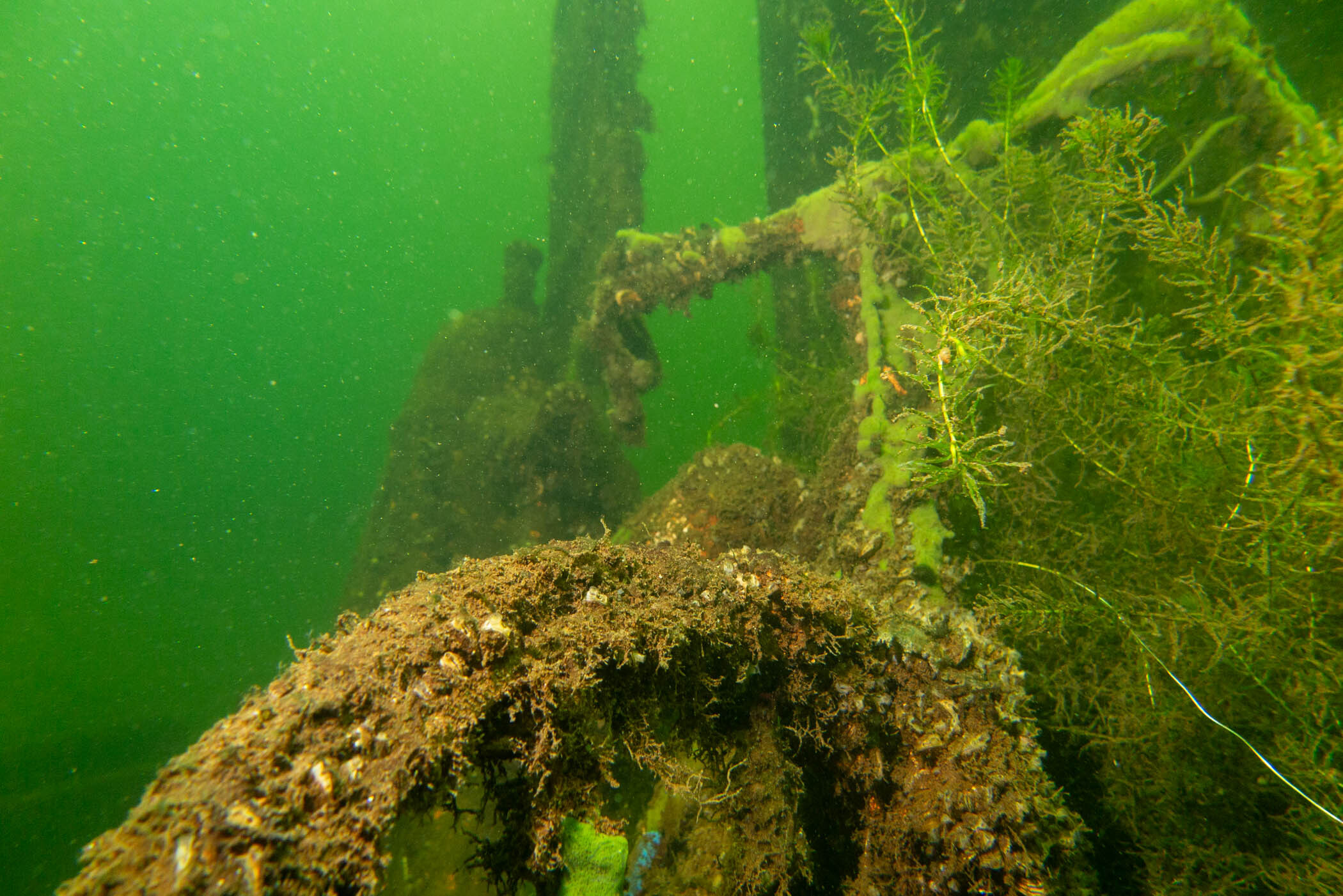
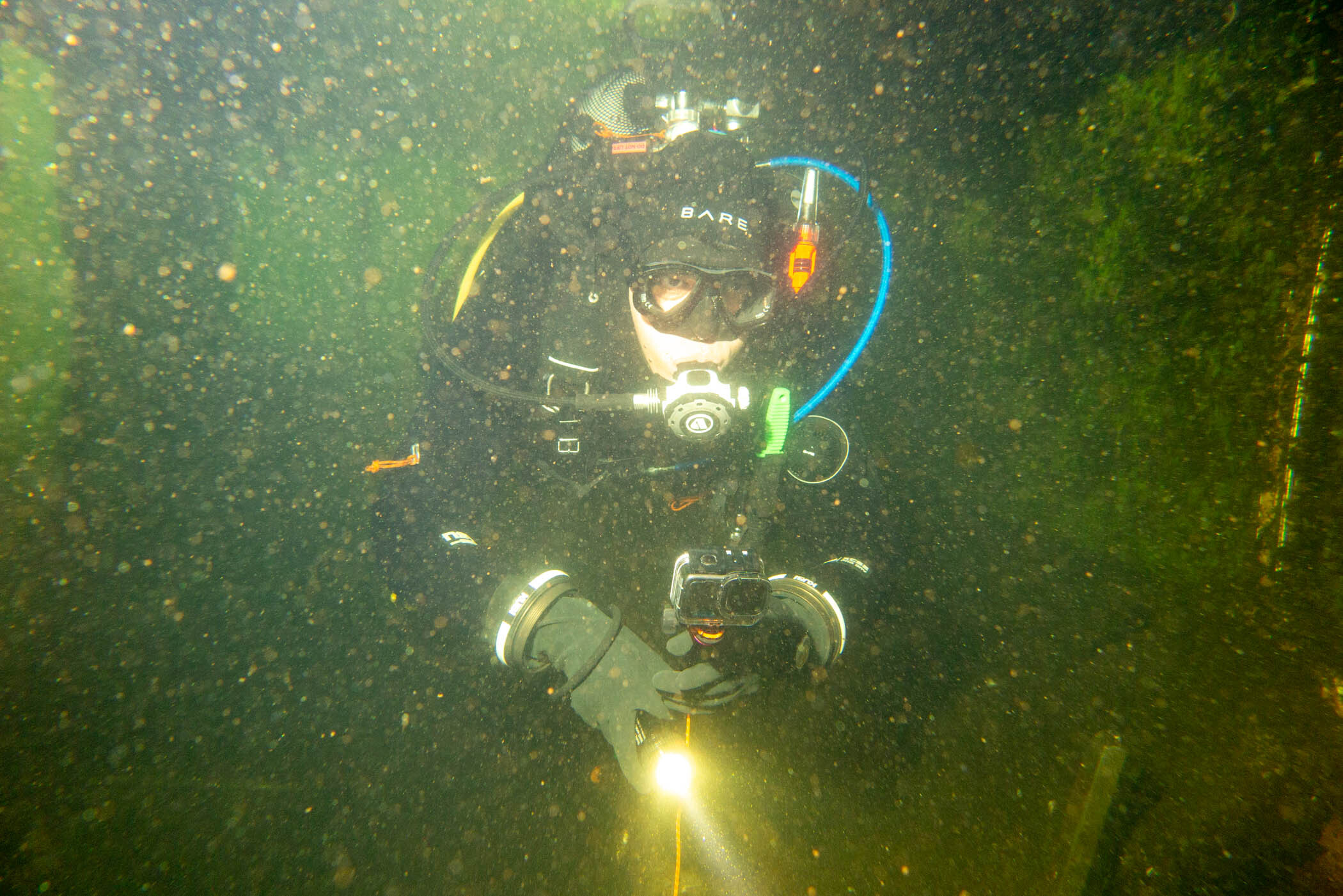
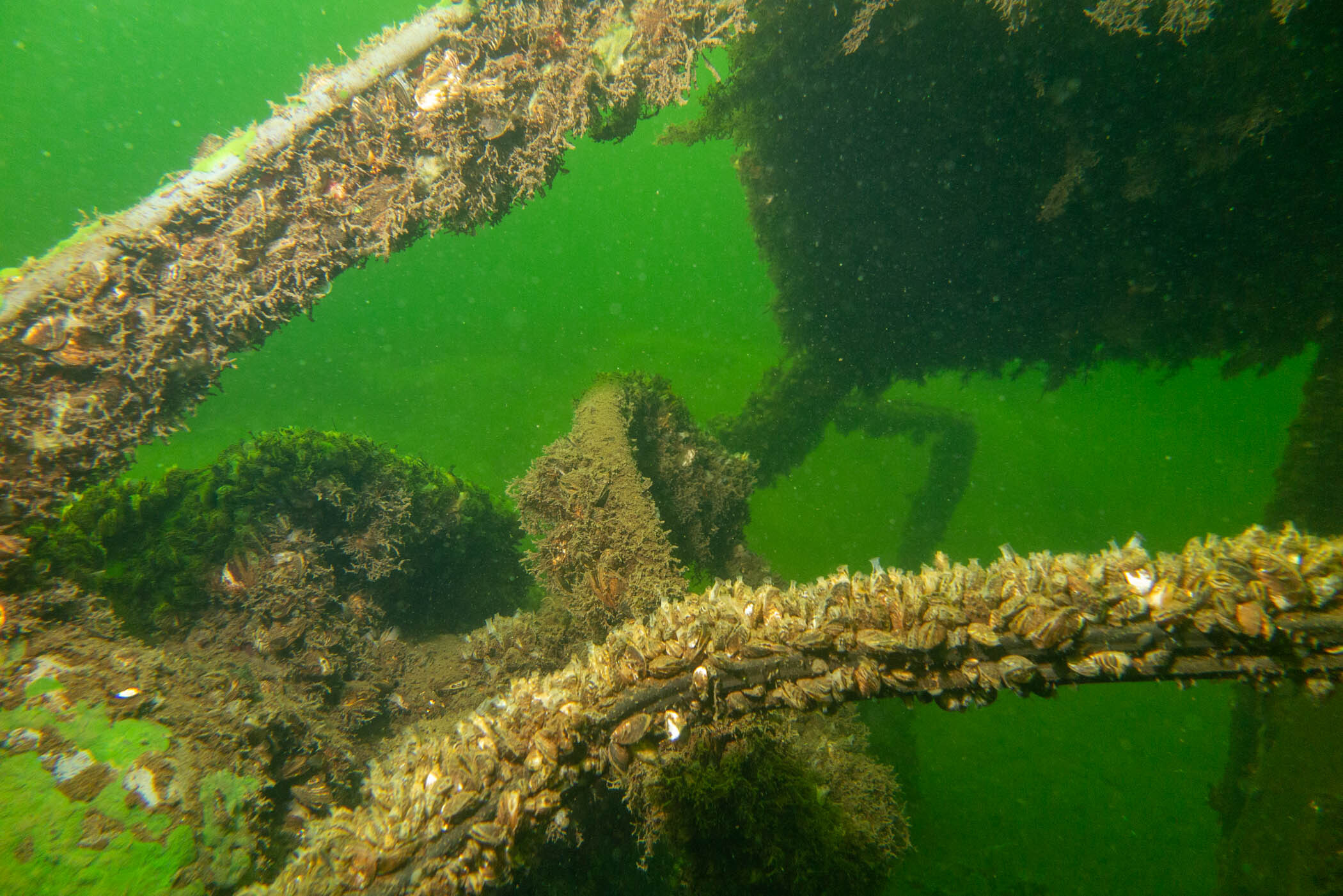
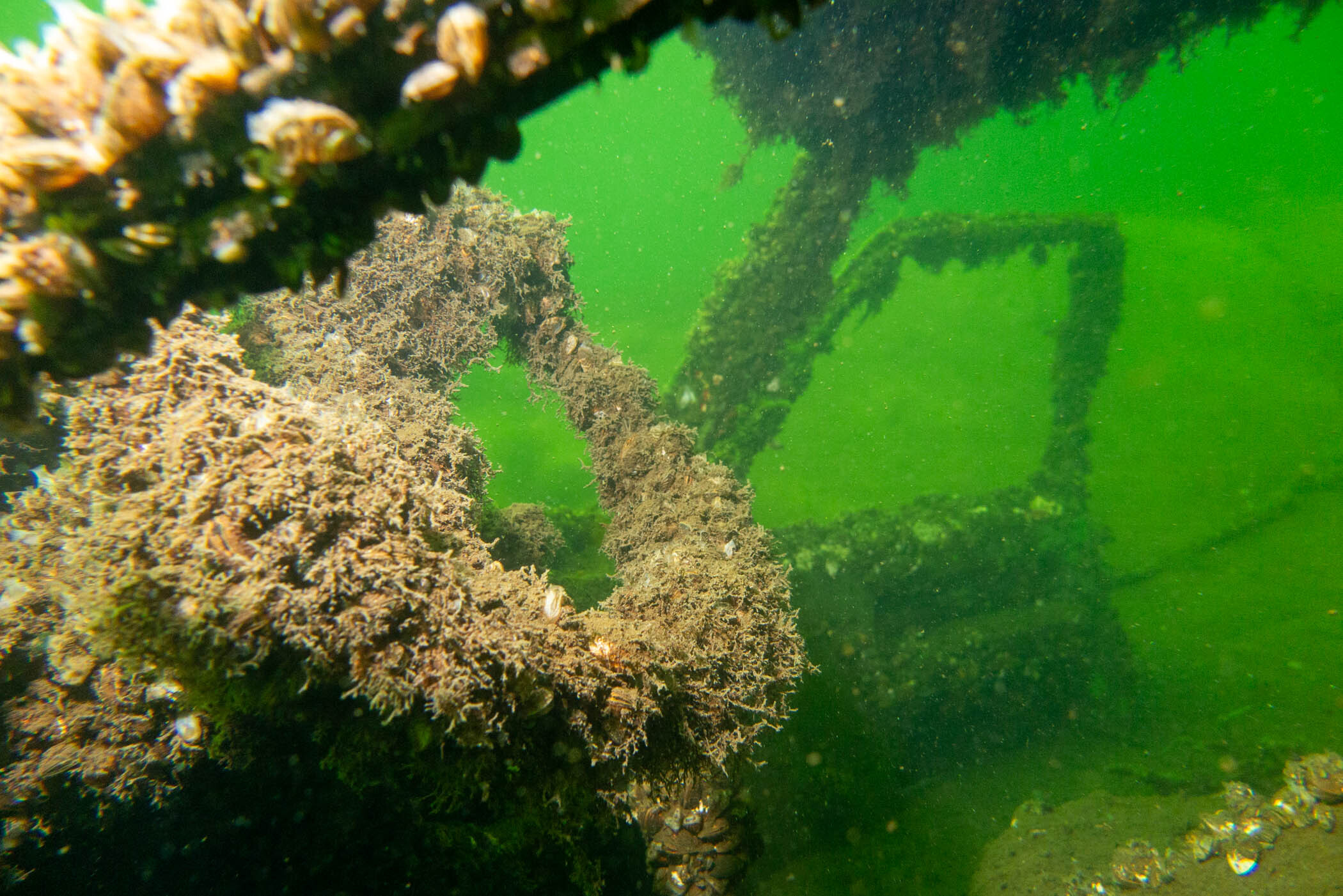






















































































The dive had a rough start, had to trade my beloved regs for a rental, the shore dive from the beach with no visibility was kinda weird (you really feel like in a giant dense soup)... but it was so worth the shot!
The coral has been planted there years ago and has grown beautifully bringing along a very diverse sealife.
Unfortunately my Canon refused to take any pictures... throwing up errors 99...
A huge grouper, many lionfishes and other friendly giants enchanted the dive.