


 April Leonard


 Netherlands Antilles

-
Nº36
 Fecha: 2015-07-05 - 13:16
-
 Profundidad máxima: 17.4m Duración: 37mins
Fotos

No hay fotos para esta inmersión
- Temp: Surf 29°C Parte inferior 26°C
- Tipo de buceo: Recreo, Entrenamiento, Arrecife, Shore Dive
- Visibilidad: Buena Agua: Salada
Equipo específico utilizado
- BCD: Oceanic - Hera
- Ordenador: Oceanic - Pro Plus 2.1
- Regulador: Oceanic - Delta 4
- Pesos: 3.6 kg
Dive reviews
| Puntuación general | ||
| Calidad de vida marina |
Buceadores recientes en Bonaire



Fotos recientes en Bonaire
Tienda de buceo & compañeros
 Buceo con Kevin Dane de Dive Friends Bonaire
 Compañeros de inmersión
Justin Jantes,
Joe_kickass

Enlace a este sitio:
- Lugar:
- País:
- Zona:
- Zona acuática:
Perfil de la inmersión
- 1. Nitrox 32
- 0L Steel 200 → 50 bar
- Profundidad media: m
- 2. Air
- 0L Steel 200 → 50 bar
- Profundidad media: m
- 3. Air
- 0L Steel 200 → 50 bar
- Profundidad media: 10.2m
Datos proporcionados por EOL.org
Especies identificadas
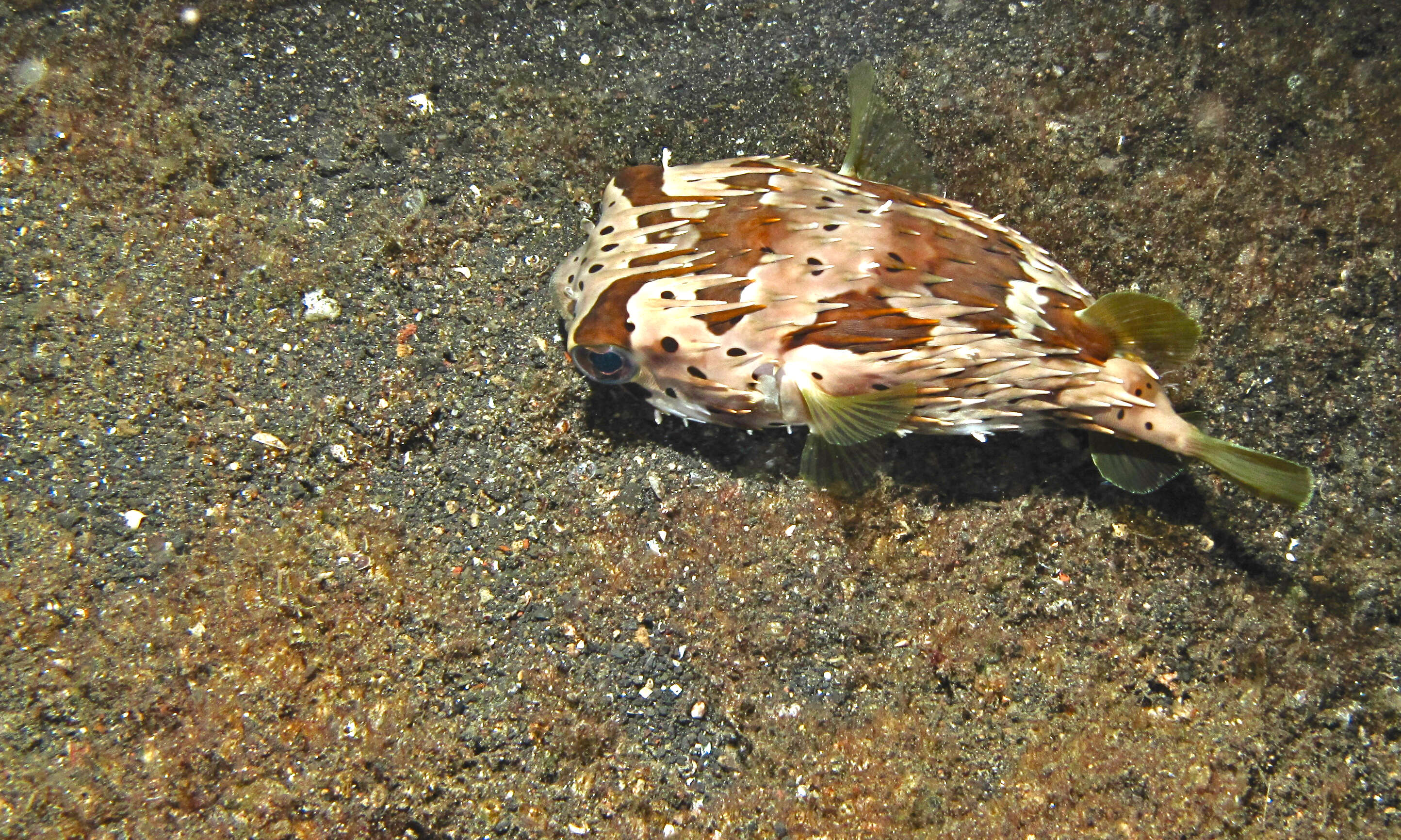
Diodon holocanthus Linnaeus, 1758 (Long-spine porcupinefish)
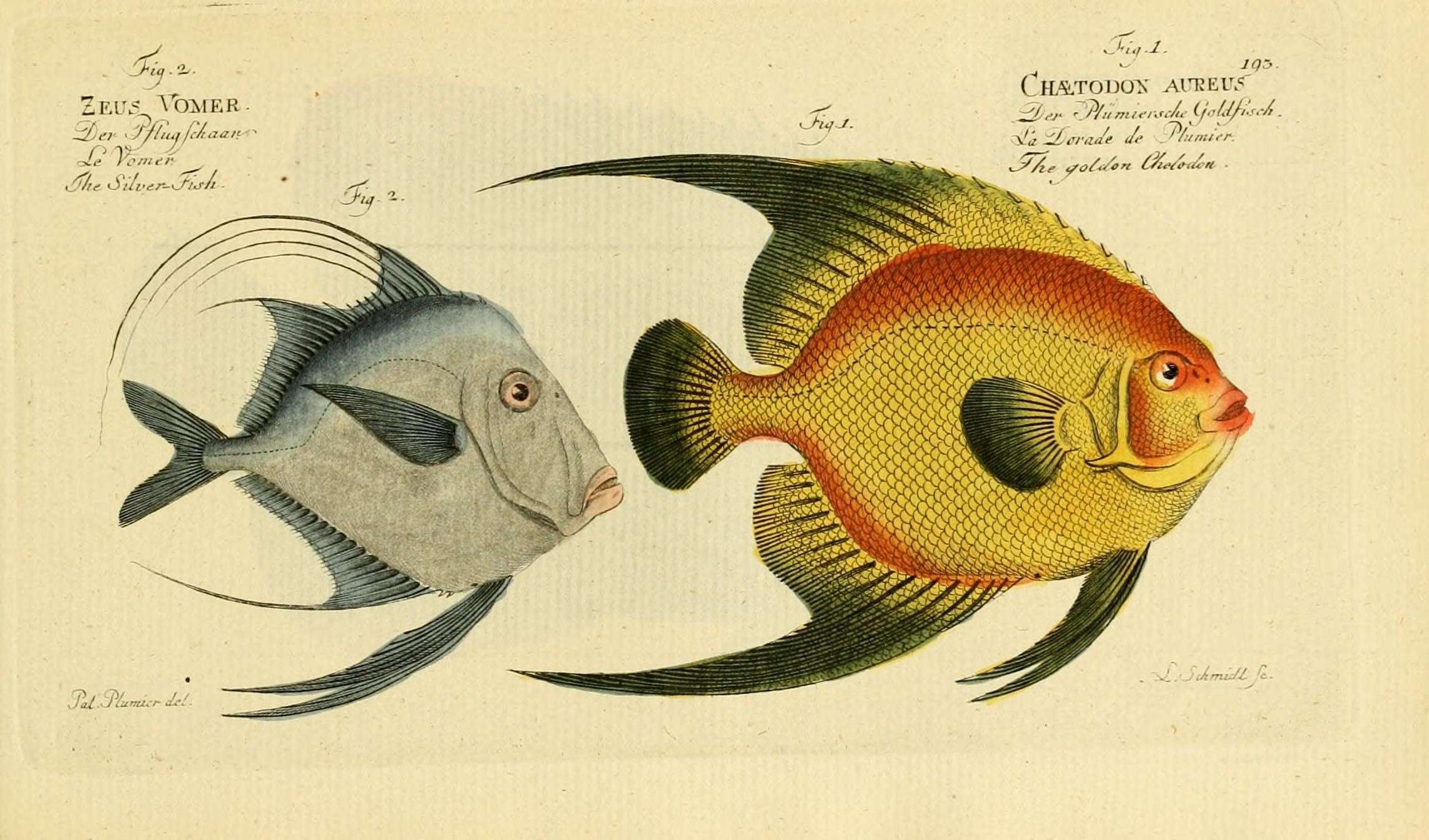
Holacanthus ciliaris (Linnaeus, 1758) (queen angelfish)
Found on coral reefs. Generally occurs solitarily or in pairs. Moves gracefully between seafans, seawhips, and corals . Stomach contents of 26 specimens indicate that the species feeds almost exclusively on sponges suppl...
Leer más
Leer más
Pomacanthus paru (Bloch, 1787) (French angelfish)
Common in shallow reefs. Usually in pairs, often near sea fans . Feed on sponges, algae, bryozoans, zoantharians, gorgonians and tunicates . Oviparous , monogamous . Spawning pairs are strongly territorial, with usually...
Leer más
Leer más
Scorpaena plumieri Bloch, 1789 (Spotted scorpionfish)
Found mostly in shallow coral reef and rocky areas. Lies motionless on the bottom . Feeds mostly on other fishes and crustaceans. Moderately common below about 5 m depth to at least 55 m. Displays characteristic bright ...
Leer más
Leer más
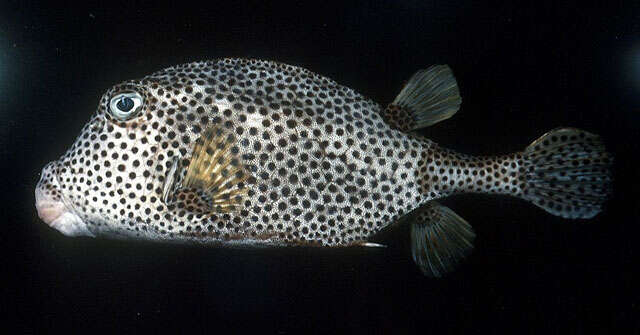
Lactophrys bicaudalis (Linnaeus, 1758) (Trunkfish)
Found in clear water around coral reefs. Sometimes under ledges and near small holes . Feeds on a variety of small bottom invertebrates such as mollusks, crustaceans, starfishes, sea urchins, sea cucumbers, sessile tunica...
Leer más
Leer más
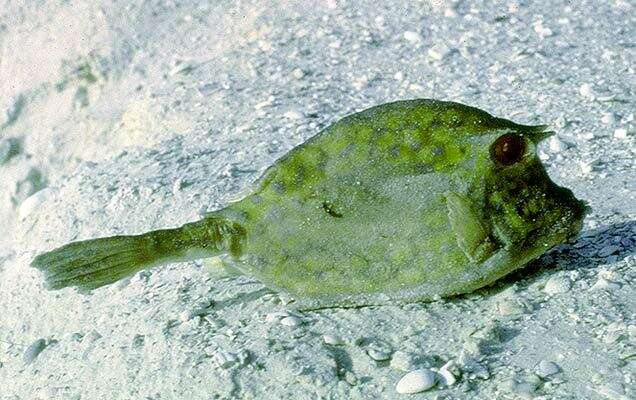
Acanthostracion polygonius Poey, 1876 (honeycomb cowfish)
Occurs in clear water around coral reefs. Feeds on sponges, alcyonarians, tunicates, and shrimp. Uncommon and wary . Consumed fresh, generally roasted .
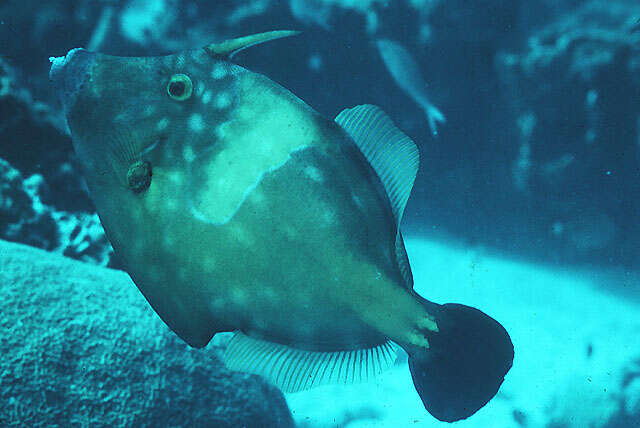
Cantherhines macrocerus (Hollard, 1853) (chivo)
Inhabits coral reefs or rocky bottoms . Found among gorgonians. Occurs in pairs . Feeds mainly on sponges, gorgonians, and algae but also eats hydroids and stinging coral .
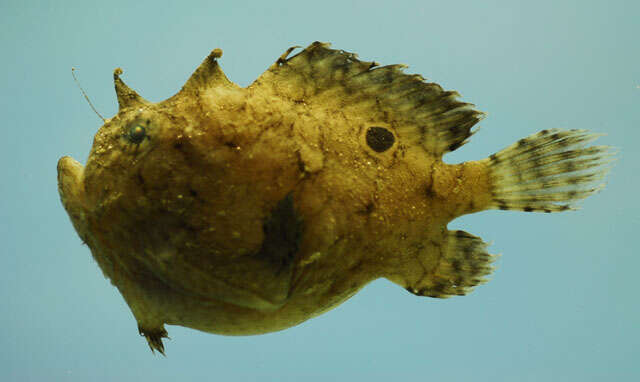
Antennarius radiosus Garman, 1896 (Big-eyed frogfish)
Inhabits offshore banks and deeper shelf waters .
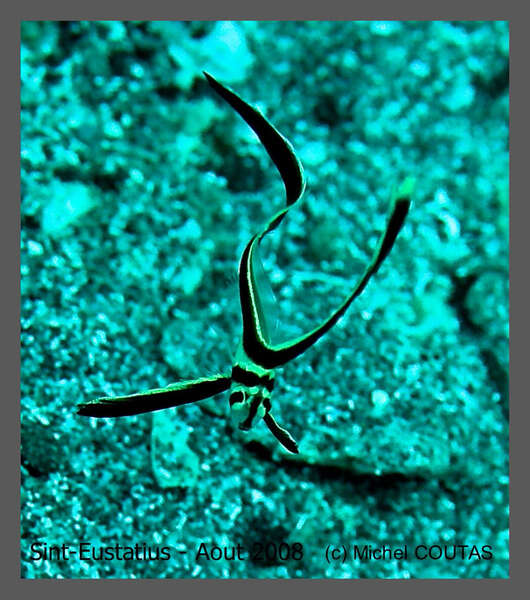
Equetus lanceolatus (Linnaeus, 1758) (Jack-knifefish)
Inhabits bays and sounds; also deep coral reefs . Juveniles sometimes inshore . Easily approached . Has been reared in captivity . Feeds mainly on small shrimps and crabs, but also on polychaete worms and gastropod mollusks .
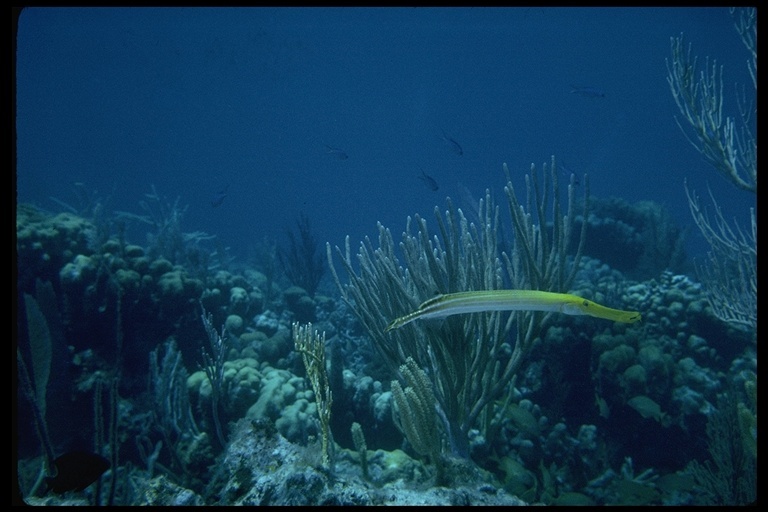
Aulostomus maculatus Valenciennes, 1841 (Caribbean trumpetfish)
Commonly found in weedy areas and especially around reefs, where they usually swim snout-down among sea whips . A solitary ambusher of small fishes and crustaceans that lurk among branching coral or gorgonians. Often swim...
Leer más
Leer más
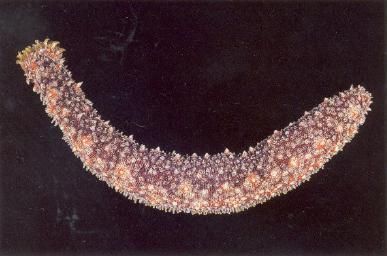
Holothuria grisea Selenka, 1867 (gray sea cucumber)
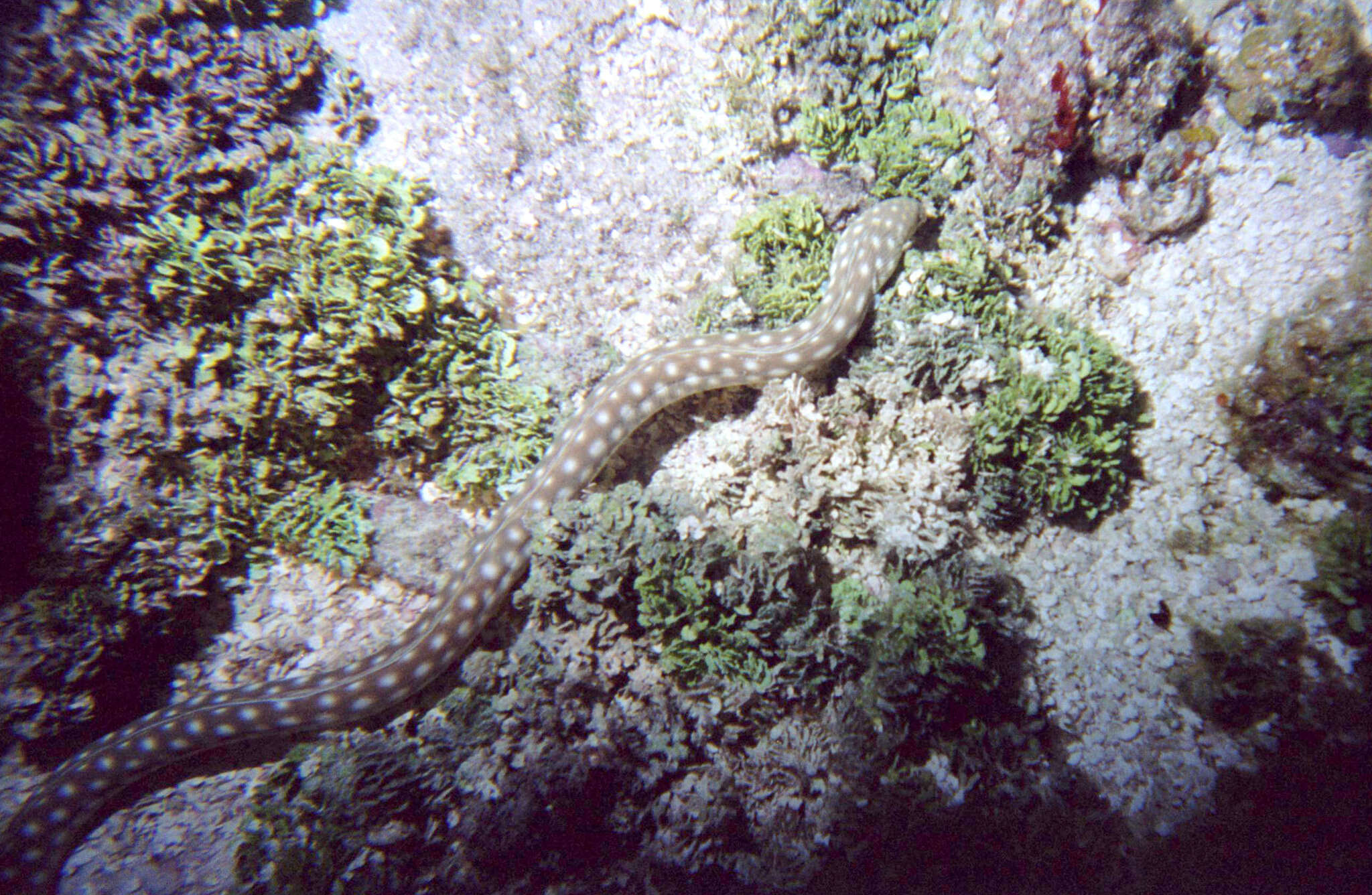
Myrichthys breviceps (Richardson, 1848) (Culebra rosario)
Commonly encountered swimming near the bottom in clear water from harbors to reefs. More common along continent and in grassy areas . Found in shallow areas to depths of 9 m. Feeds mainly on crabs. .
Compartir en redes sociales
- Facebook:

Personaliza tu texto a compartir, así como su destino (muro, página...) o mándalo como un mensaje privado a un amigo
- Twitter: Tweet Personaliza tu tweet
- Google Plus:
Enlace directo a esta inmersión
- Enlace largo:
- Enlace corto:


 Estamos participando en el concurso de startups Techcrunch Disrupt. Apoya Diveboard votando por nosotros!


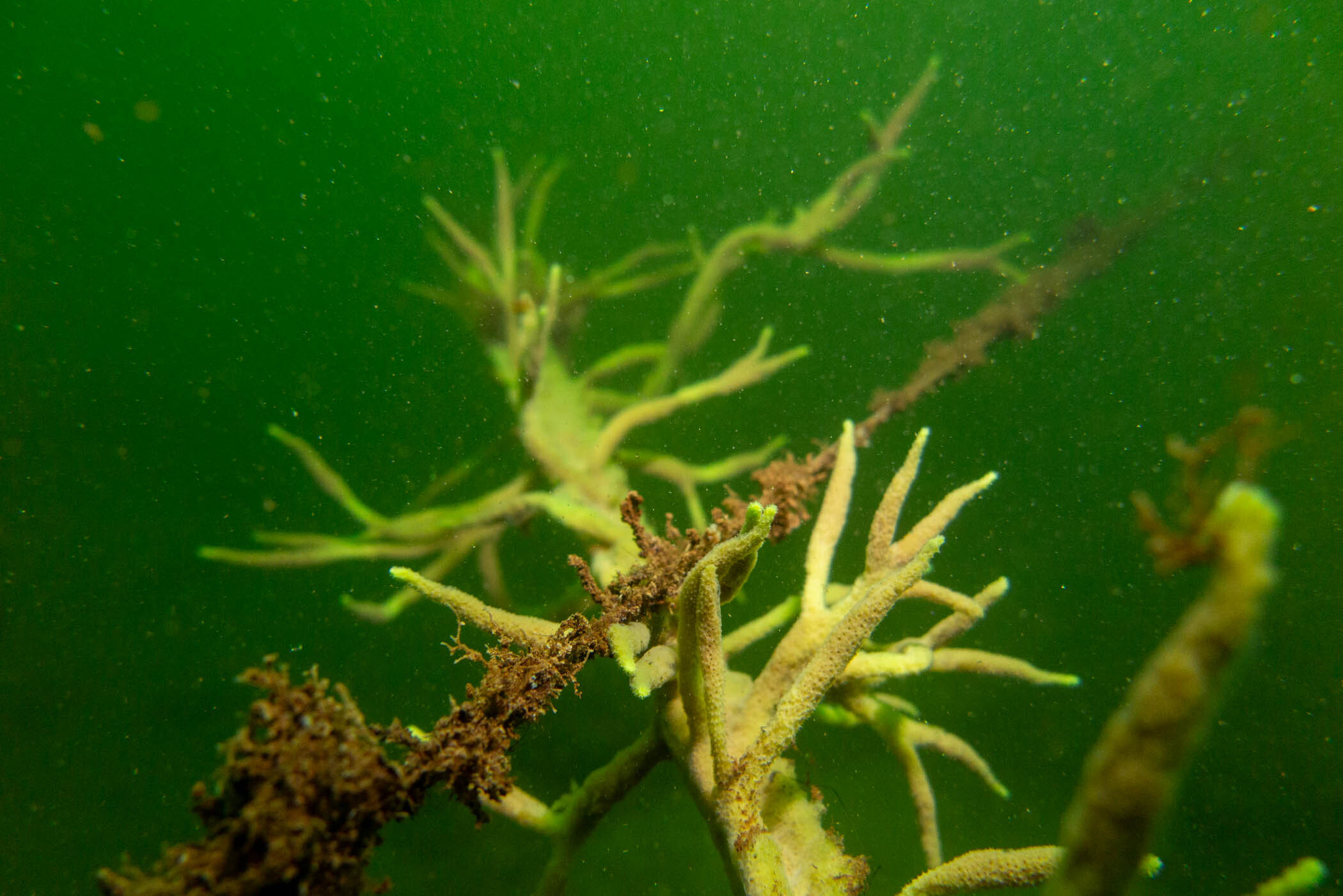
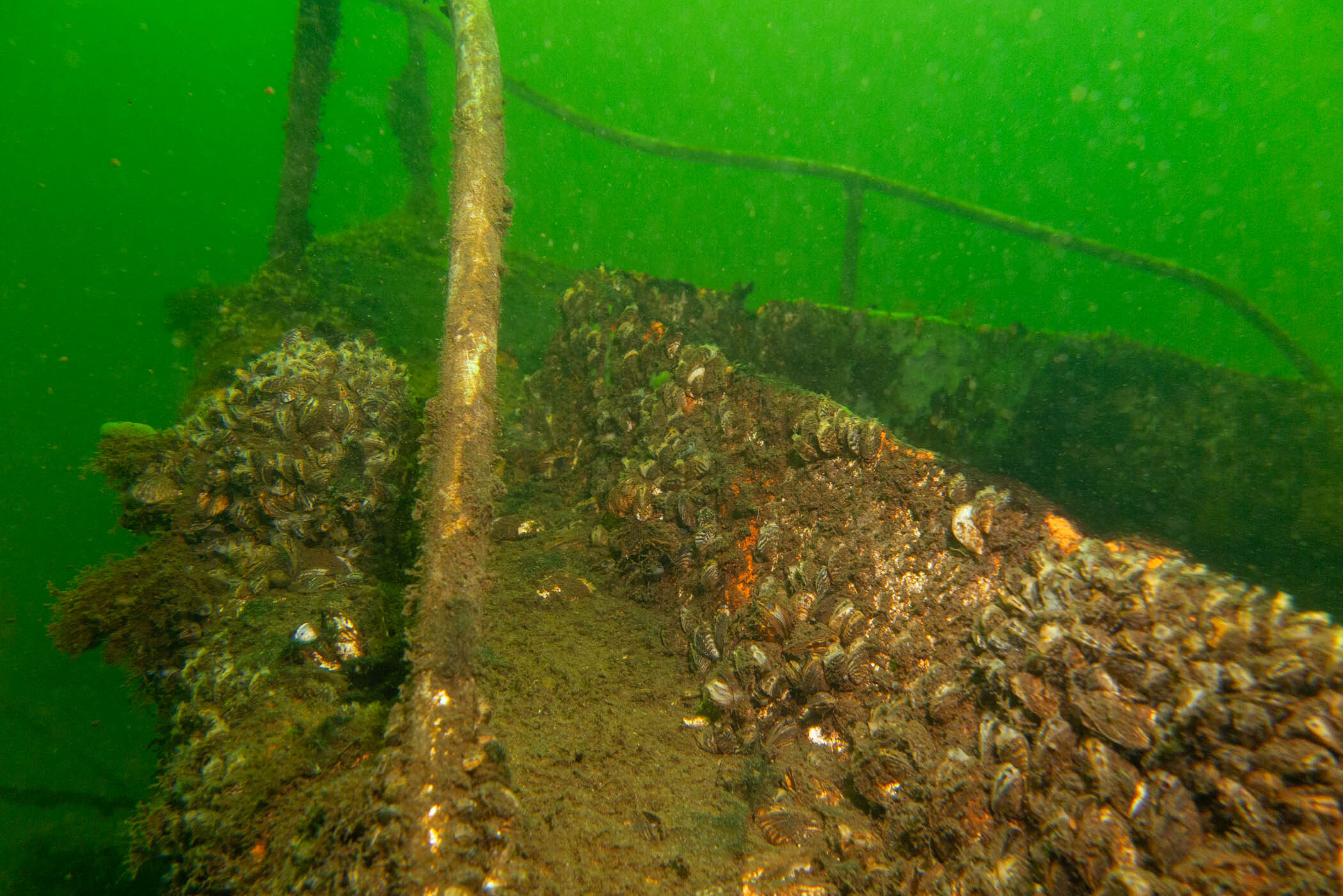
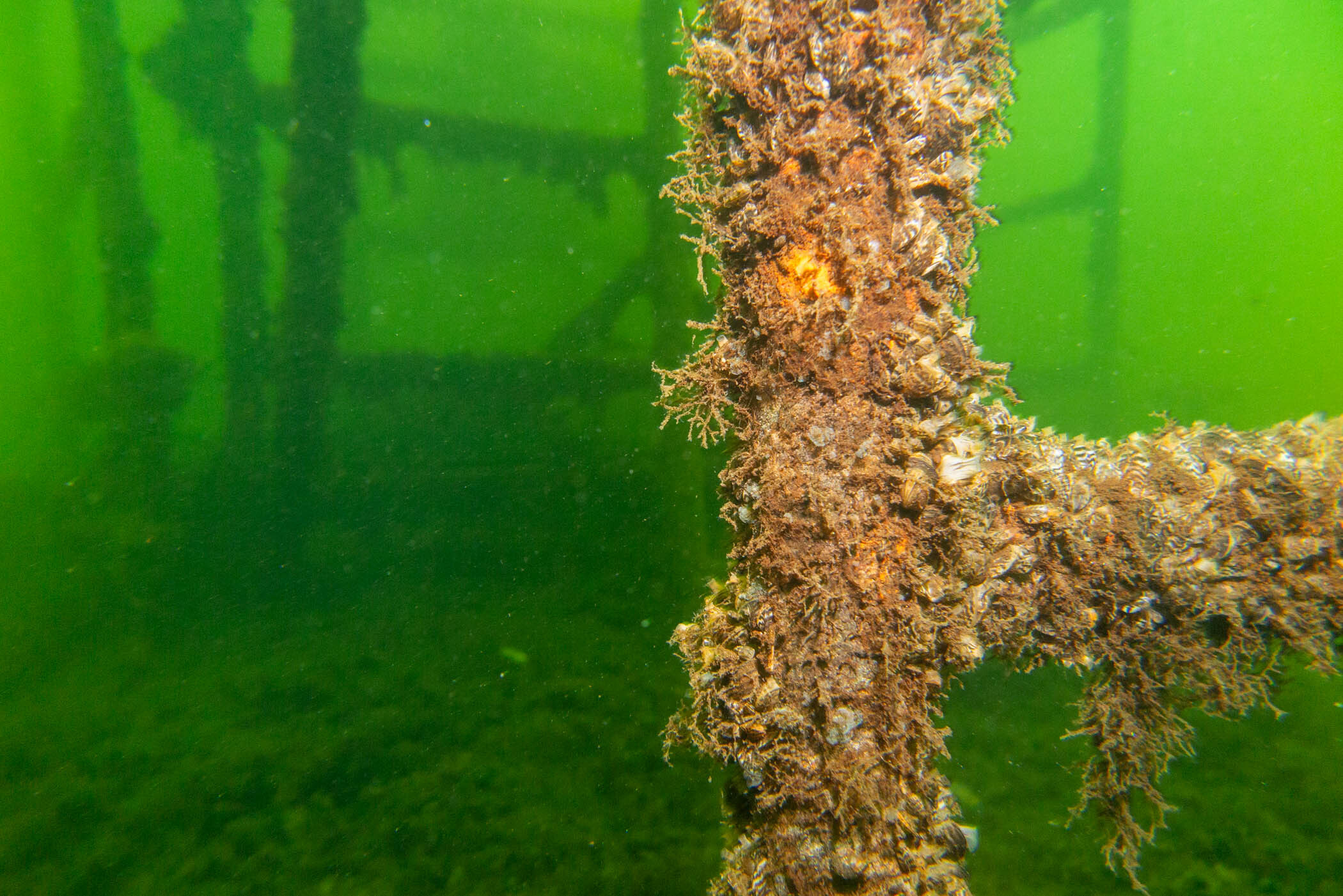
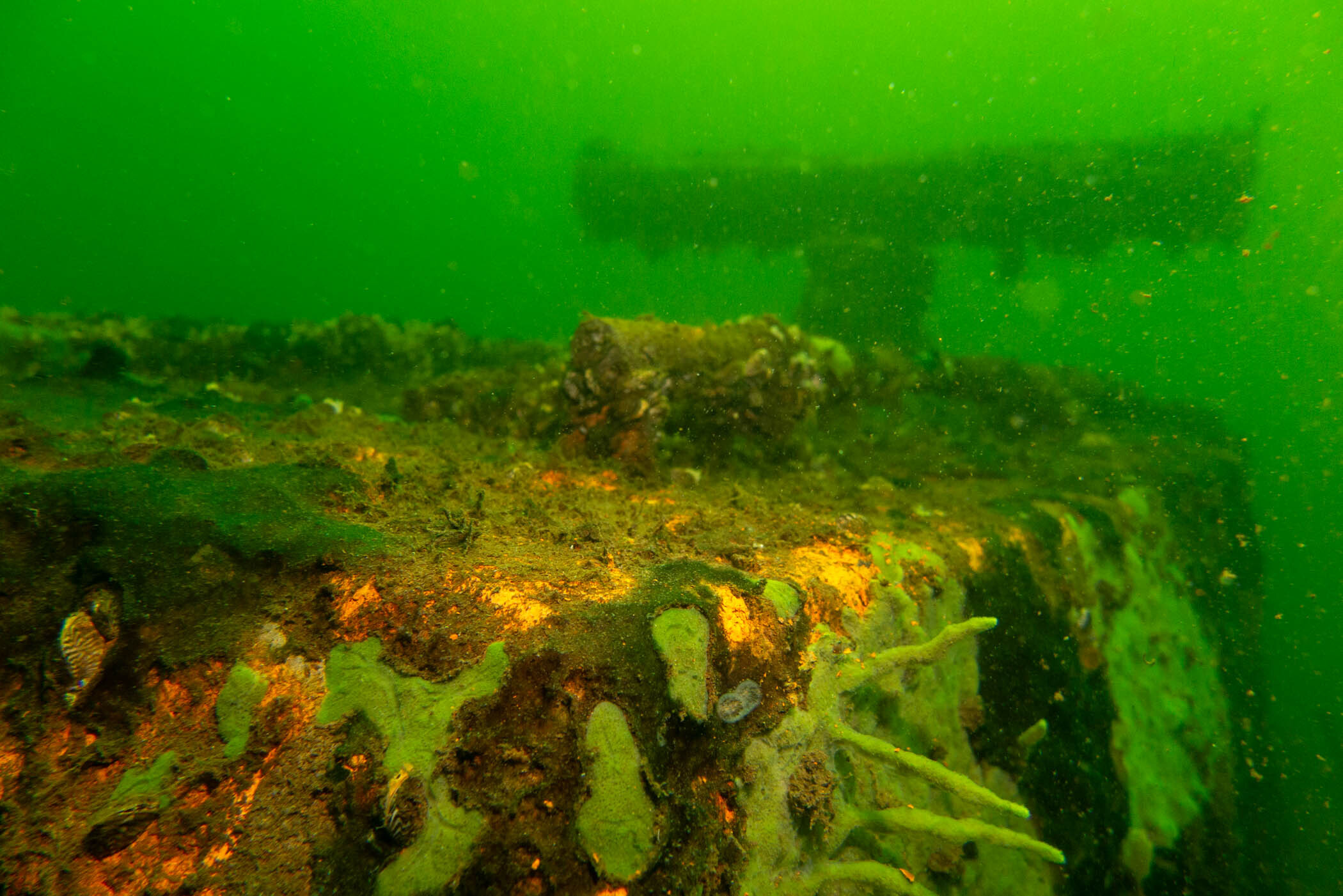
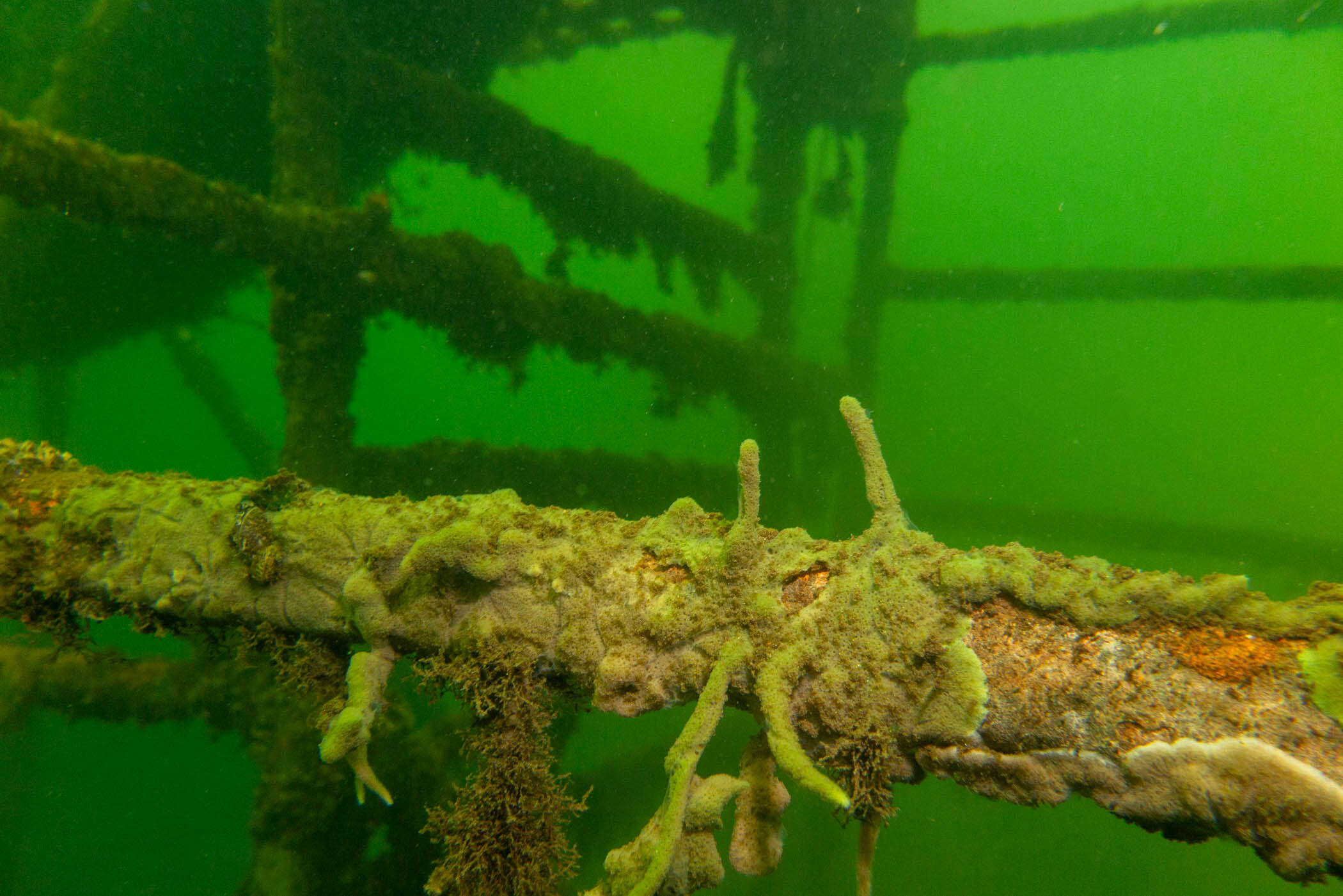
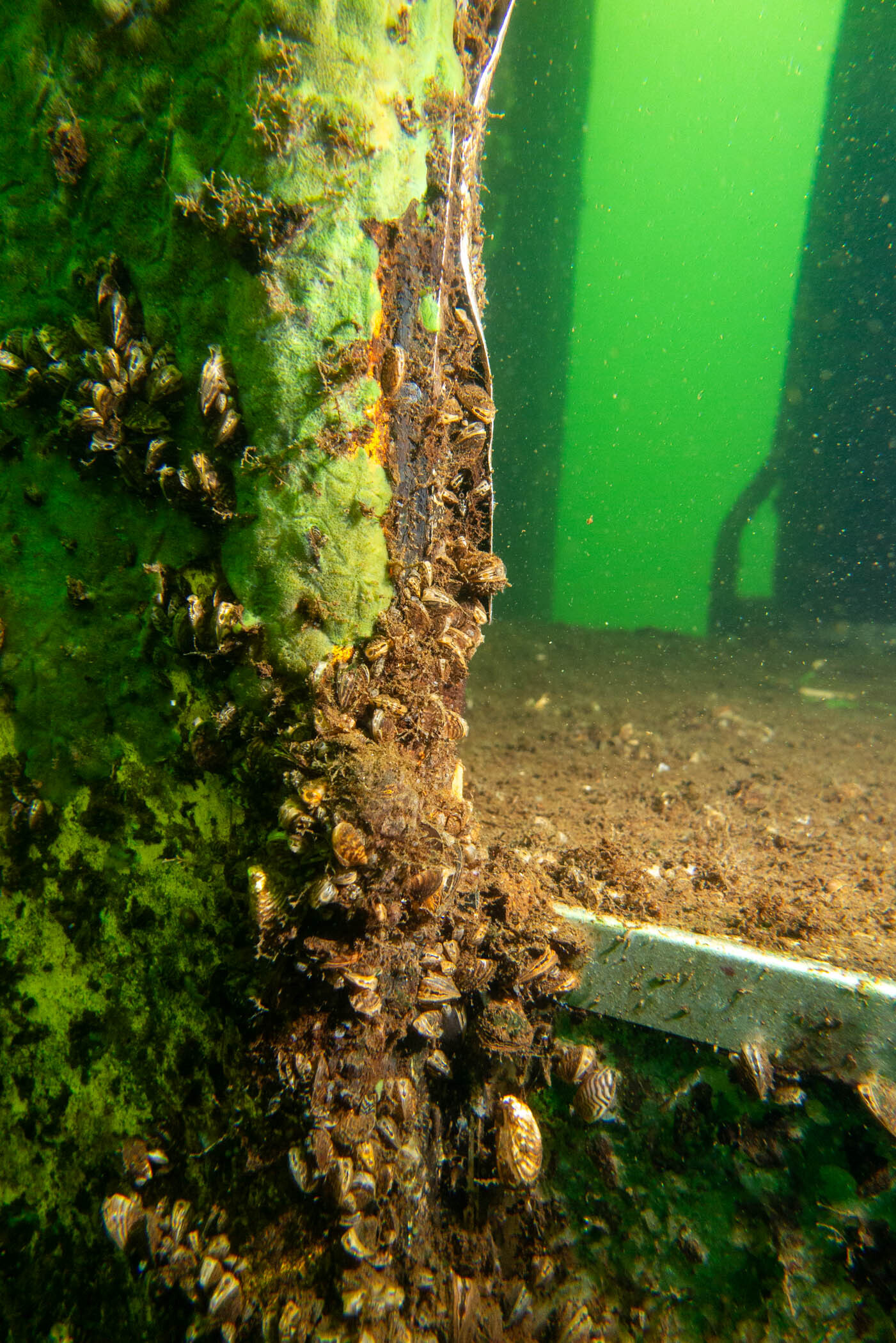
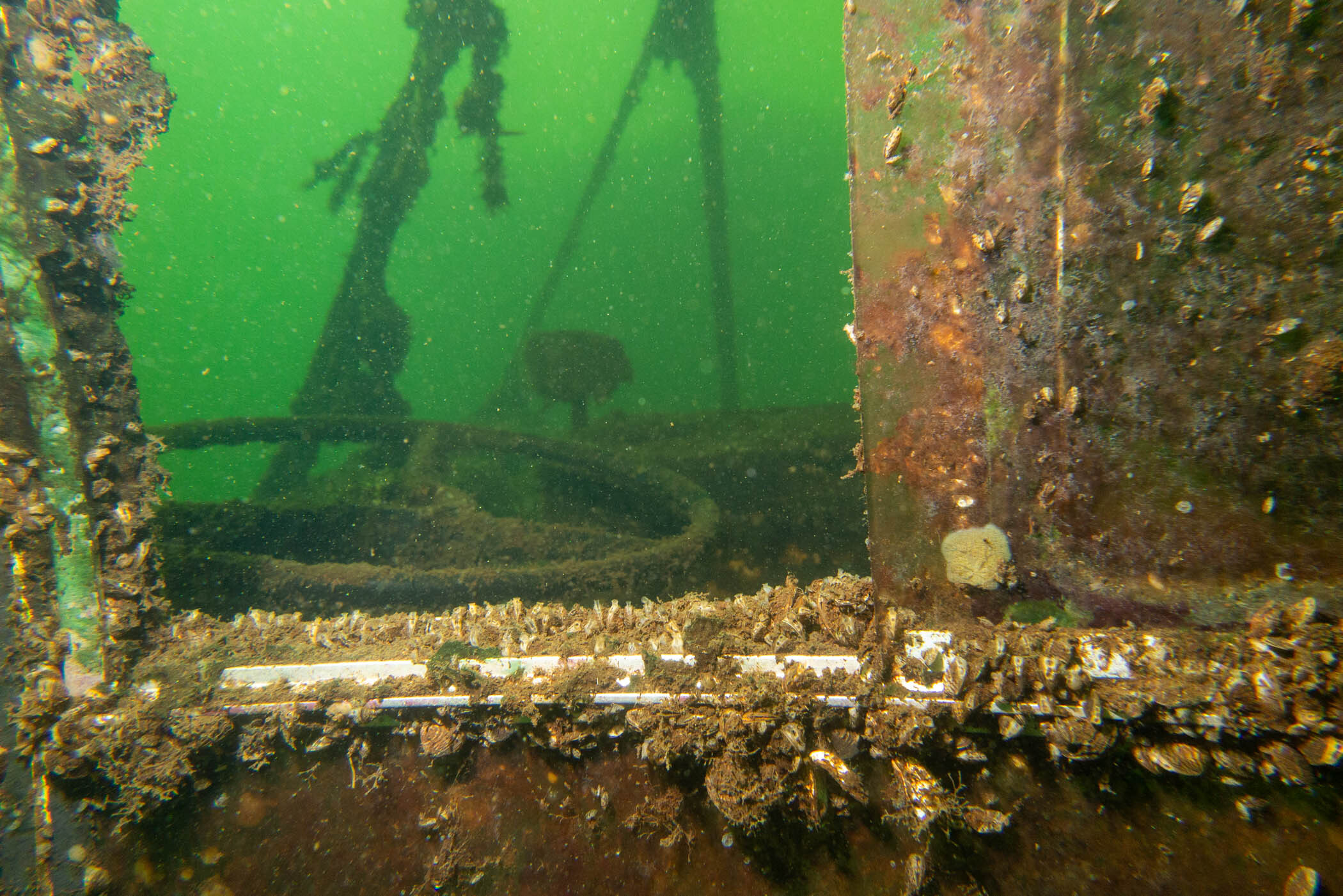
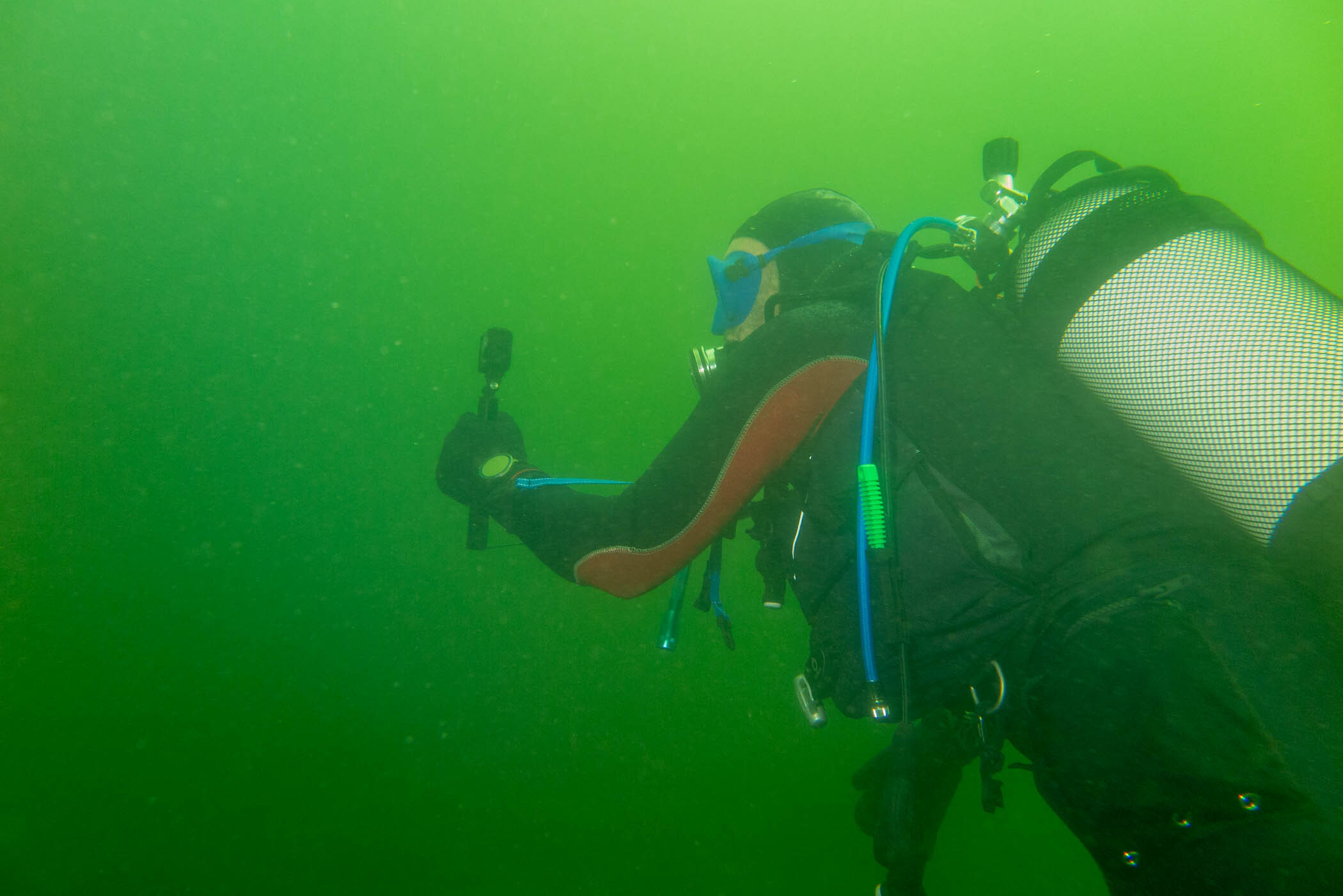
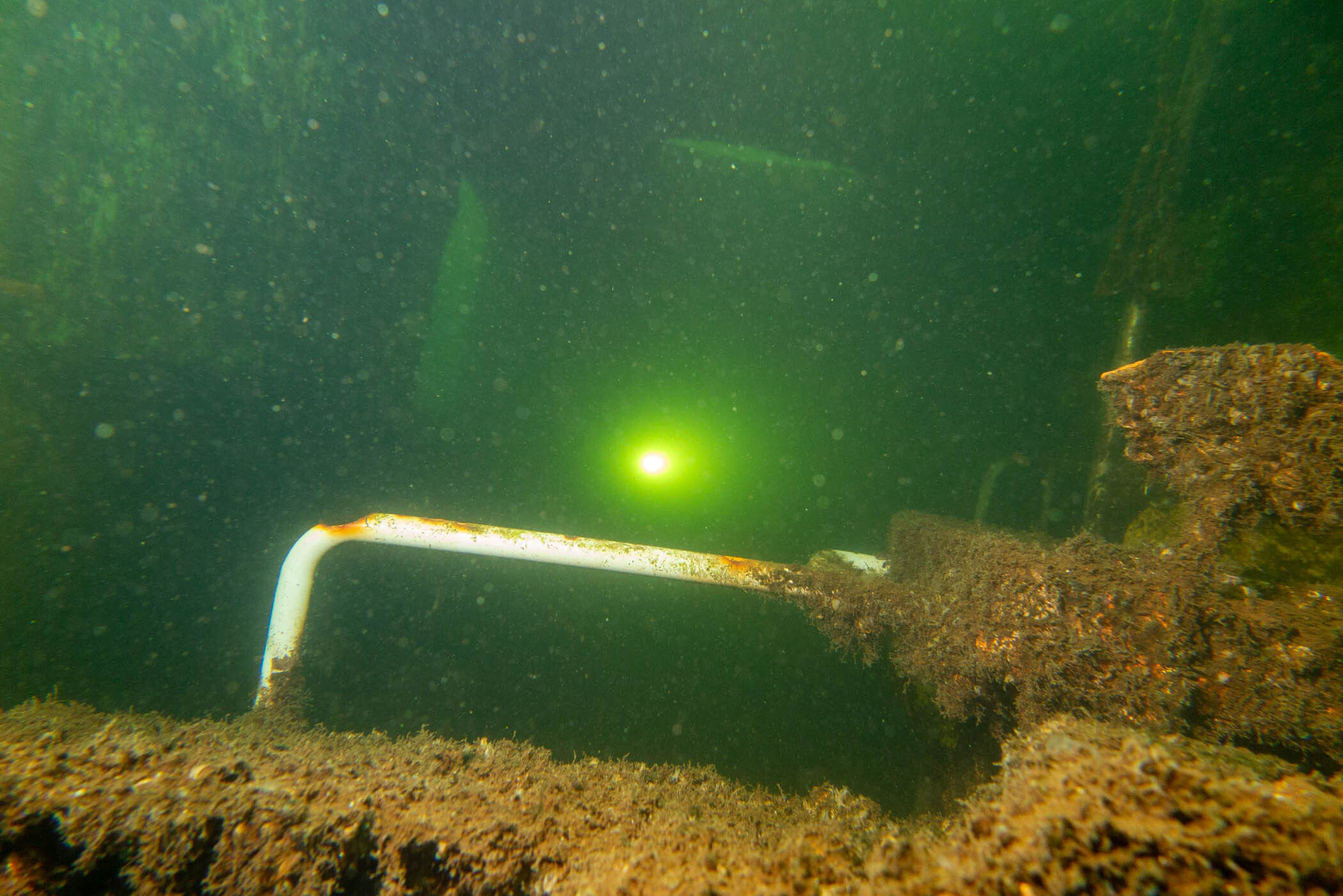
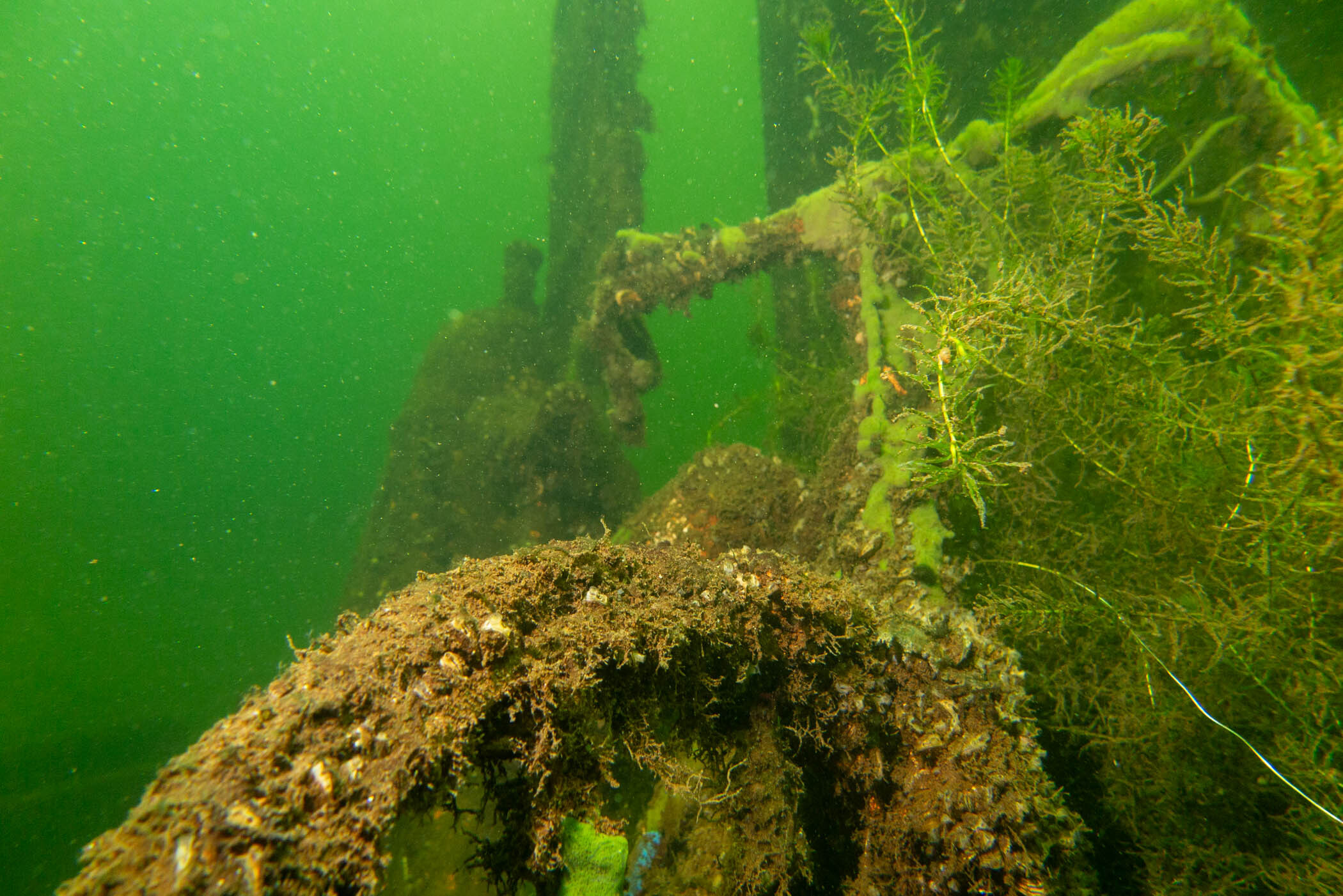























































































We saw many things that would have been the highlight of almost any other dive I've been on: porcupine puffer, queen angels, french angels, juvenille French angel, scorpion fish, trunk fish, file fish, cowfish (honeycomb), frog fish, sea slug, drum fish, trumpet fish, sea cucumber, sharp tail eel, etc. First dive with nitrox and first dive for shore diving specialty class.