


 Michael Colligon


 Honduras

-
Nº33
 Fecha: 2015-07-19 - 13:04
-
 Profundidad máxima: 21.6m Duración: 48mins
Fotos

No hay fotos para esta inmersión
- Intervalo en la superficie:60 mins
- Temp: Surf 31°C Parte inferior 28°C
- Tipo de buceo: Recreo, Arrecife
- Visibilidad: Excelente Agua: Salada
Equipo específico utilizado
- Botella: Catalina Cylinders - AL 100
- BCD: Zeagle - Ranger LTD
- Cámara: GoPro - 4 Black
- Aletas: Scubapro - Twinjet
- Regulador: ScubaPro - Mk 25
- Regulador: ScubaPro - S600
- Regulador: Zeagle - OctoZ
- Traje humedo: Aqualung - 1mm
- Pesos: 3.6 kg
Dive reviews
| Puntuación general | ||
| Dificultad de la inmersión | ||
| Calidad de vida marina |
Buceadores recientes en Roatan


Fotos recientes en Roatan
Tienda de buceo & compañeros
 Buceo con Marvin 234093 de Anthony's Key Resort

Enlace a este sitio:
- Lugar:
- País:
- Zona:
- Zona acuática:
Perfil de la inmersión
- 1. Air
- 12L Steel 216 → 44 bar
- Profundidad media: 13m
Datos proporcionados por EOL.org


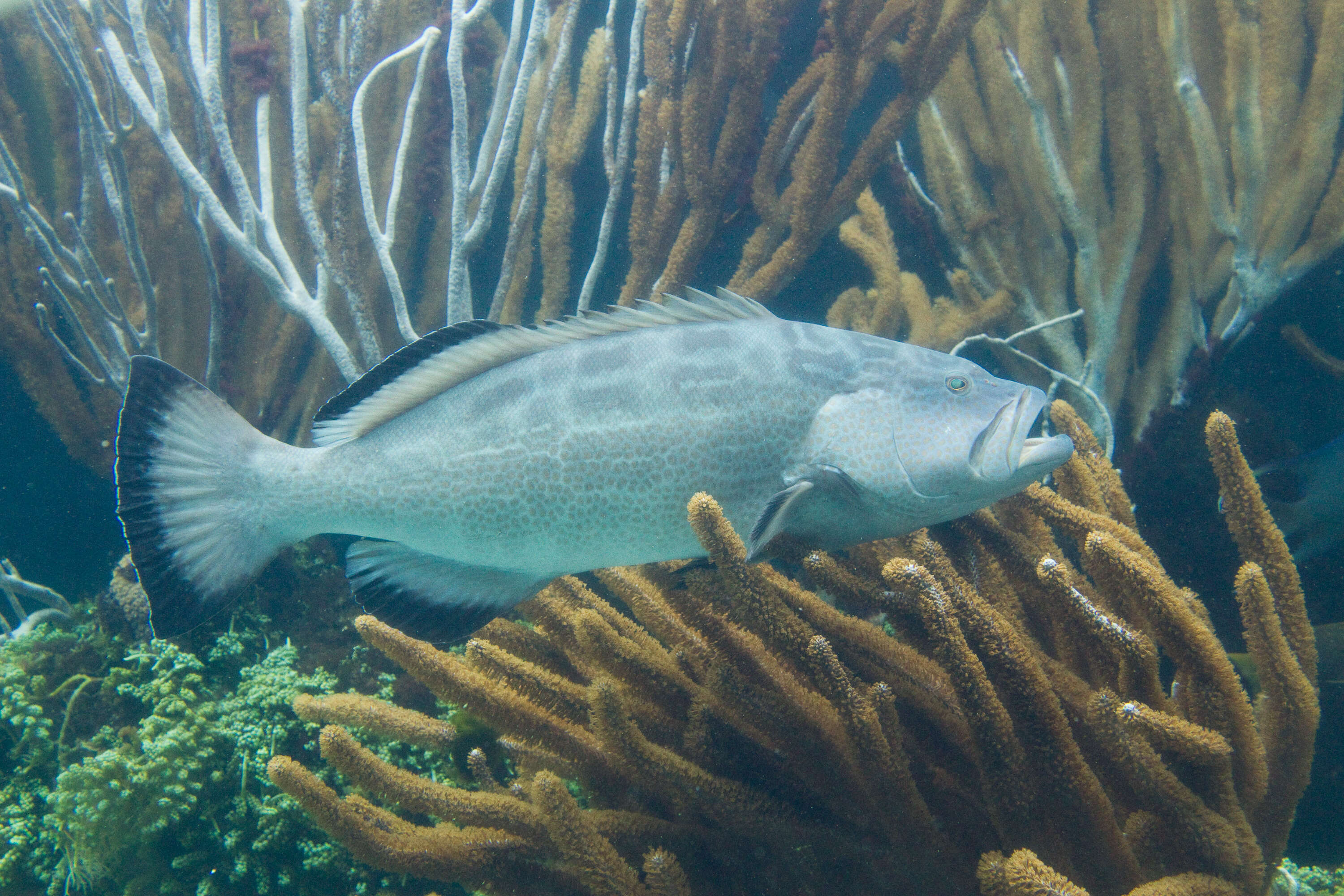



Especies identificadas
Sargocentron coruscum (Poey, 1860) (reef squirrelfish)
Inhabit sandy, rocky and coral bottoms . More common on seaward reefs than on protected reefs. Retreat into recesses when alarmed . Nocturnal . Secretive, found deep in crevices between branches of live corals . Oviparous, with planktonic eggs and larvae .
Balistes vetula Linnaeus, 1758 (Ol'wife)
The queen triggerfish is often found drifting close to the bottom, where it feeds on a range of molluscs, crustaceans and echinoderms . The strong jaws and long teeth of this fish enable it to bite through the hard body pa...
Leer más
Leer más
Mycteroperca bonaci (Poey, 1860) (Black gouper)
Epinephelus tauvina (Forsskål, 1775) (Giant grouper)
Prefers clear water areas on coral reefs; juveniles have been taken from reef flats and in tide pools, adults found in deeper waters. Solitary and common in lightly fished areas . Adults from Oceania almost exclusively fe...
Leer más
Leer más
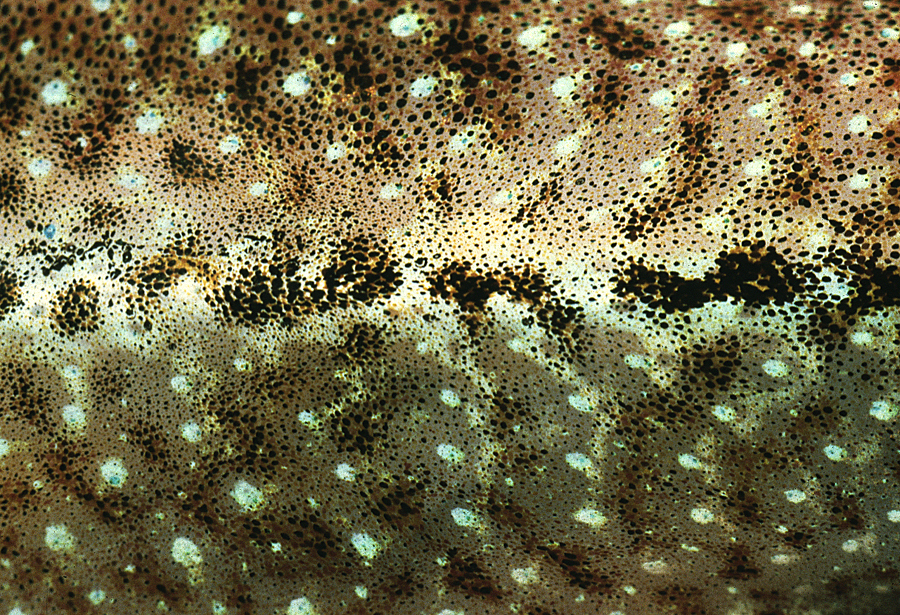
Dermatolepis inermis (Valenciennes, 1833) (Donkey fish)
Usually on deep ledges, at depths to 210 m and on reefs, usually in caves or deep crevices . Solitary and secretive, darts away when approached or frightened . Rarely seen in markets.
Sphyraena barracuda (Edwards, 1771) (Alho)
Aluterus scriptus (Osbeck, 1765) (Unicornfish)
Stephanolepis hispidus (Linnaeus, 1766) (Common filefish)
Found on sand or mud bottoms. Associated with Sargassum . Adults feed on benthic invertebrates . Edible but generally rejected by fishers .
Sepioteuthis sepioidea (Blainville, 1823) (Caribbean reef squid)
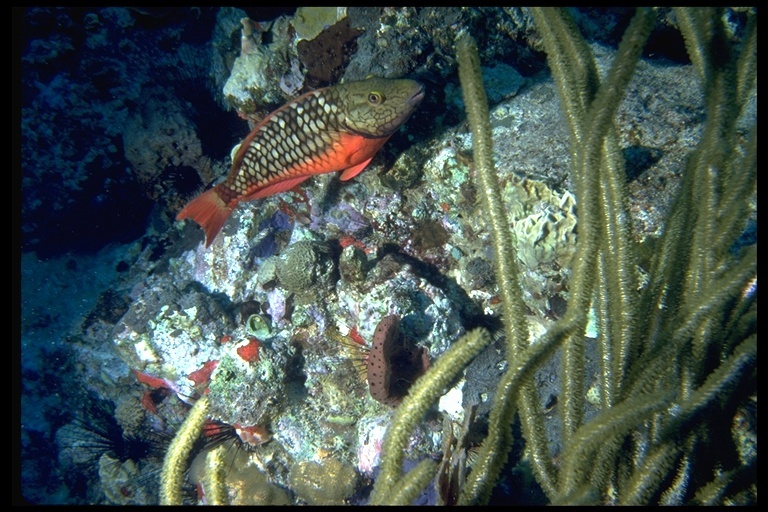
Sparisoma viride (Bonnaterre, 1788) (Dark green parrotfish)
Inhabits coral reefs with clear water . Young may be found in seagrass beds and other heavily vegetated bottoms. Feeds mainly on soft algae, but has been observed to graze on live corals like, Montastraea annularis . Pro...
Leer más
Leer más
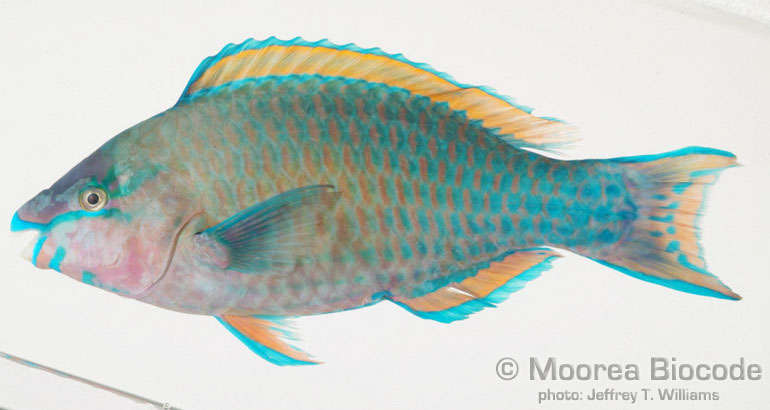
Scarus psittacus Forsskål, 1775 (Common parrotfish)
Inhabit reef flats and lagoon and seaward reefs to at least 25 m depth . Found over corals . Benthopelagic . Initial-phase fish stage usually form small feeding schools . Graze on benthic algae . Secrete a mucus cocoon .
Opistognathus aurifrons (Jordan and Thompson, 1905) (yellowhead jawfish)
Inhabit burrows made of crushed coral or sand. Hovers vertically, above or near its hole. The male courts the female by swimming in an arched position with his fins spread towards her . Male broods the eggs orally . Has been reared in captivity .
Chelonia mydas Linnaeus 1758 (Green Turtle)
Green turtles are long-lived and may take up to 59 years to reach sexual maturity Undertaking tremendous feats of navigation, adults return to the same beach to breed each season, part of the population in Brazil astonishi...
Leer más
Leer más
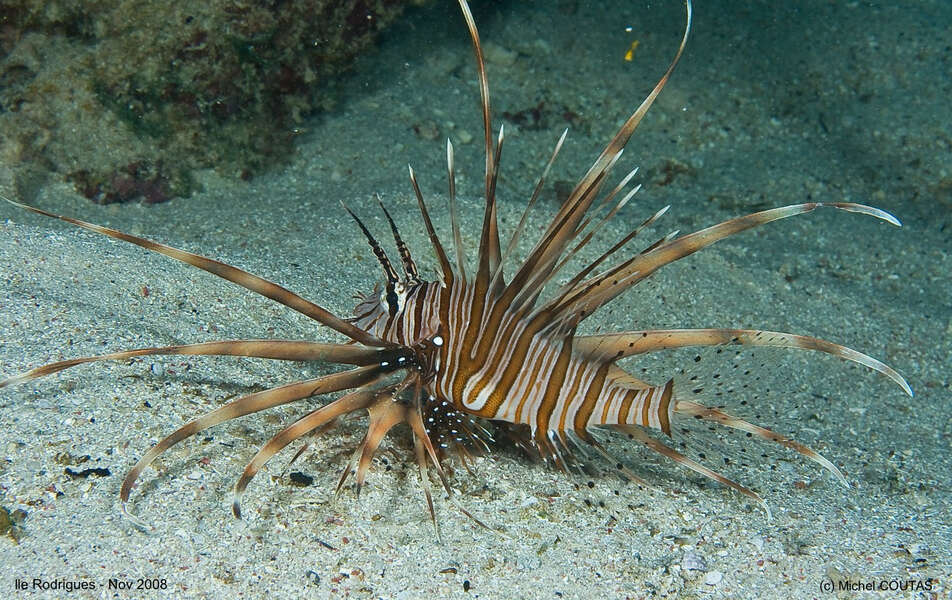
Pterois volitans (Linnaeus, 1758) (Red lionfish)
Compartir en redes sociales
- Facebook:

Personaliza tu texto a compartir, así como su destino (muro, página...) o mándalo como un mensaje privado a un amigo
- Twitter: Tweet Personaliza tu tweet
- Google Plus:
Enlace directo a esta inmersión
- Enlace largo:
- Enlace corto:


 Estamos participando en el concurso de startups Techcrunch Disrupt. Apoya Diveboard votando por nosotros!


























































































Deep Eel Garden