


 Pascal


 Australia

-
Nº10
 Fecha: 2010-03-21 - 12:33
-
 Profundidad máxima: 15m Duración: 49mins
Ubicación de inmersión

Buceadores recientes en Great Barrier Reef
Fotos recientes en Great Barrier Reef
Tienda de buceo & compañeros
 Buceo con Silver Sonic

Enlace a este sitio:
- Lugar:
- País:
- Zona:
- Zona acuática:
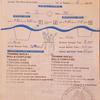
Perfil de la inmersión
Datos proporcionados por EOL.org


Especies identificadas
Caesio cuning (Bloch, 1791) (Cavi)
Inhabits coastal areas, usually over rocky and coral reefs. Forms schools in midwater and feeds on zooplankton. Oviparous, with numerous, small pelagic eggs . Taken primarily by handline in Sri Lanka; caught mostly by fi...
Leer más
Leer más
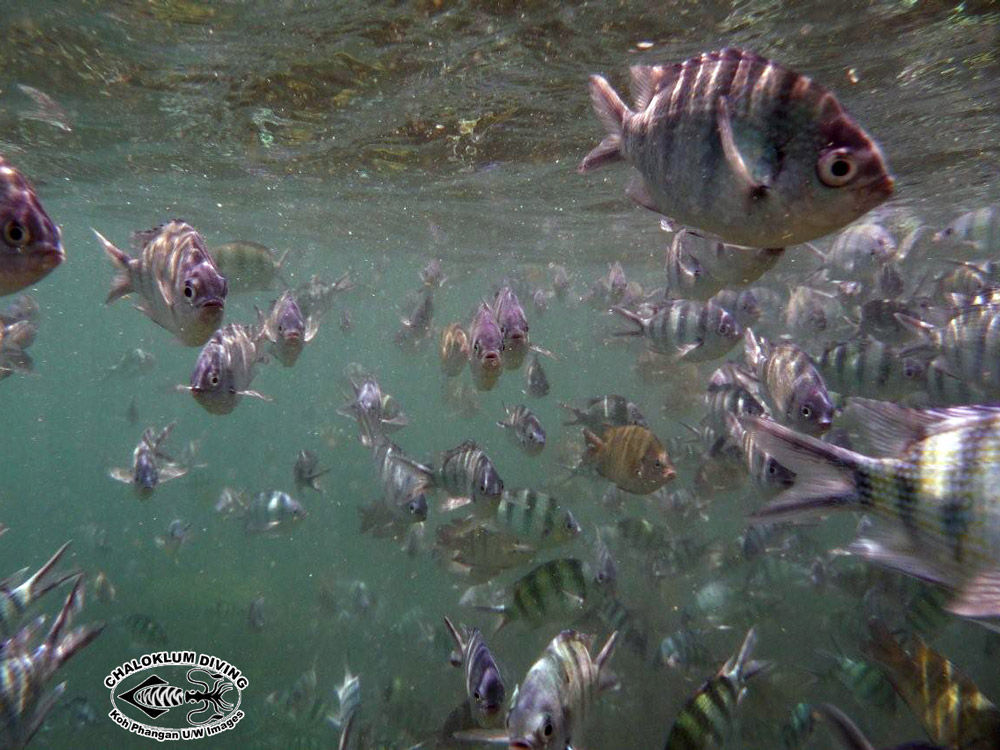
Abudefduf sexfasciatus (Lacepède, 1801) (Natal sergeant)
Inhabits inshore and offshore coral or rocky reefs. Also in shallow coastal reef flats or crests, usually where lots of tall soft corals or hydroid colonies are present . Feeds on zooplankton and algae and aggregates high in the water column .
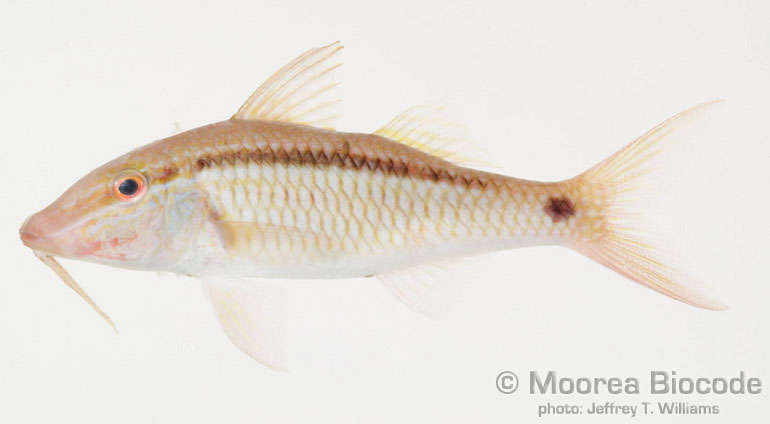
Parupeneus barberinus (Lacepède, 1801) (Dash-and-dot goatfish)
One of the most abundant species of Parupeneus . Inhabits large sand patches as well as sand and rubble areas of reef flats, and lagoon and seaward reefs to a depth of about 100 m. Forages on sand-dwelling invertebrates l...
Leer más
Leer más
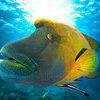
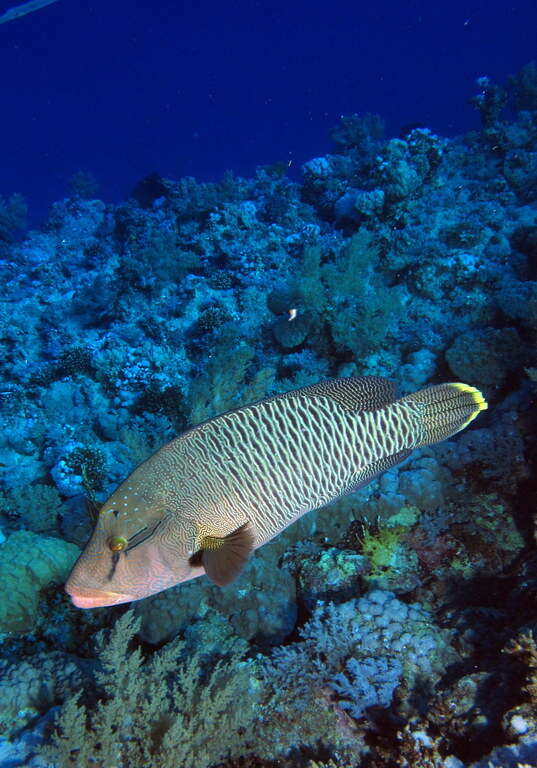
Cheilinus undulatus Rüppell, 1835 (Humphead wrasse)
Humphead wrasses are extremely long-lived, known to survive for at least 30 years, and taking around five to seven years to reach sexual maturity . Adults are usually solitary, spending the day roaming the reef and returnin...
Leer más
Leer más
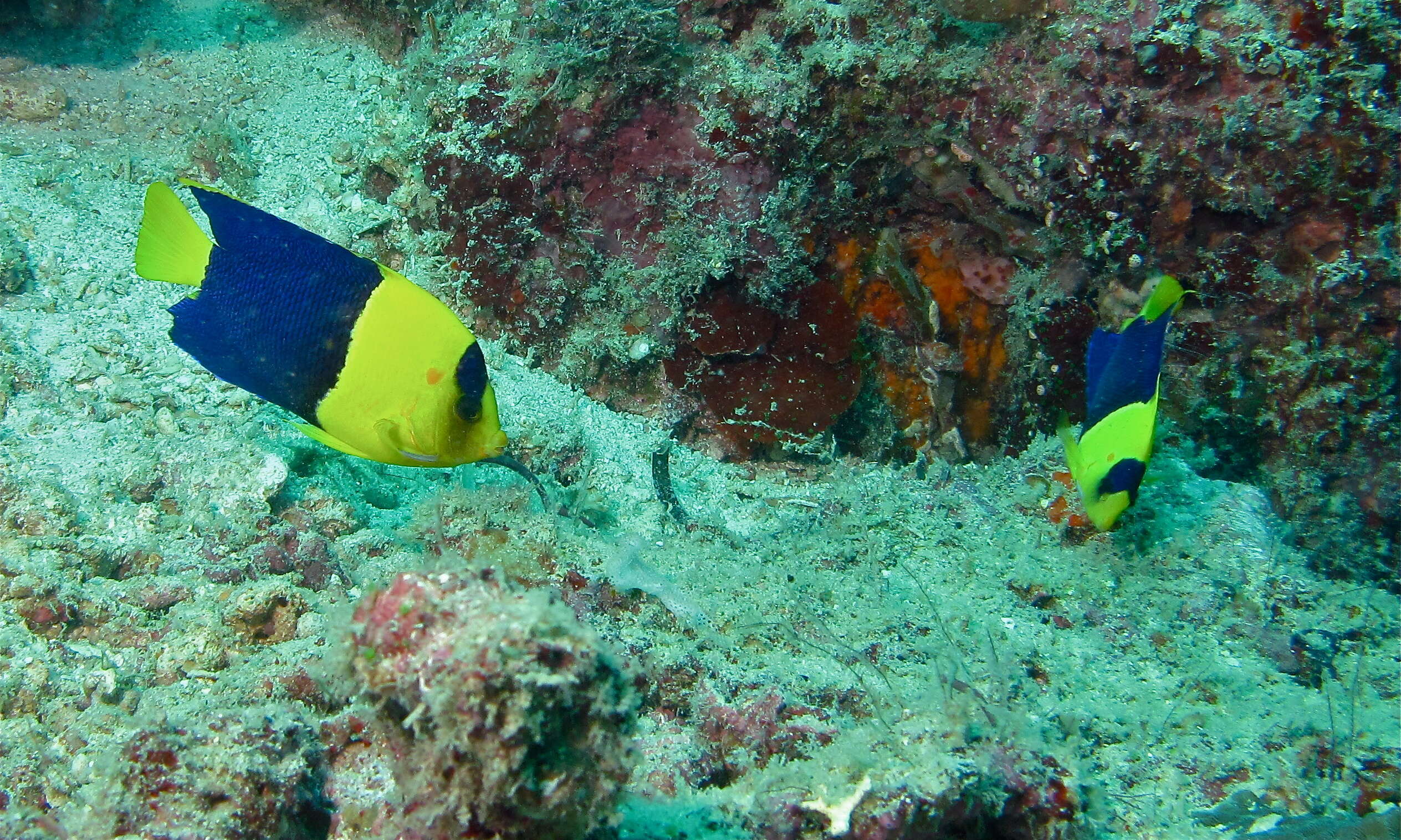
Centropyge bicolor (Bloch, 1787) (Bicolor angelfish)
Inhabits lagoon, channel, or protected seaward reef slopes, drop offs, coral and rubble areas . Usually in pairs or in small groups. Feeds on algae, small crustaceans and worms. Darts from one hiding place to the next. Commonly exported through the aquarium trade .
Testudines (tortoises and turtles)
Compartir en redes sociales
- Facebook:

Personaliza tu texto a compartir, así como su destino (muro, página...) o mándalo como un mensaje privado a un amigo
- Twitter: Tweet Personaliza tu tweet
- Google Plus:
Enlace directo a esta inmersión
- Enlace largo:
- Enlace corto:


 Estamos participando en el concurso de startups Techcrunch Disrupt. Apoya Diveboard votando por nosotros!



























































































Dives on the Great Barrier Reef in Australia provide always wonderful colors and exceptional species.