


 Steve


 México

-
Nº38
 Fecha: 2011-09-23 - 10:30
-
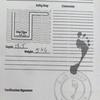
 Profundidad máxima: 17.1m Duración: 66mins
Fotos

No hay fotos para esta inmersión
- Temp: Surf 29°C Parte inferior 29°C
- Tipo de buceo: Recreo, Deriva, Arrecife, Boat
- Visibilidad: Media Agua: Salada
Equipo específico utilizado
- Pesos: 5.4 kg
Dive reviews
| Puntuación general | ||
| Dificultad de la inmersión | ||
| Calidad de vida marina |
Buceadores recientes en Cozumel


Fotos recientes en Cozumel
Tienda de buceo & compañeros
 Buceo con Che White 262282 de Dressel Divers Club
 Compañeros de inmersión
Tammy S

Enlace a este sitio:
- Lugar:
- País:
- Zona:
- Zona acuática:
Perfil de la inmersión
- 1. Nitrox 31
- 10L Aluminium 207 → 28 bar
- Profundidad media: 11.4m
Datos proporcionados por EOL.org




Especies identificadas
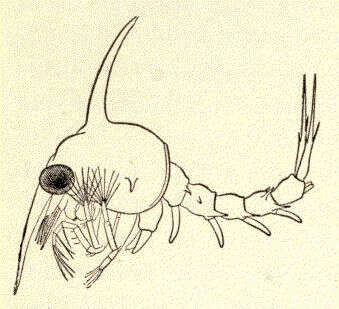
Cancer irroratus Say, 1817 (Atlantic rock crab)
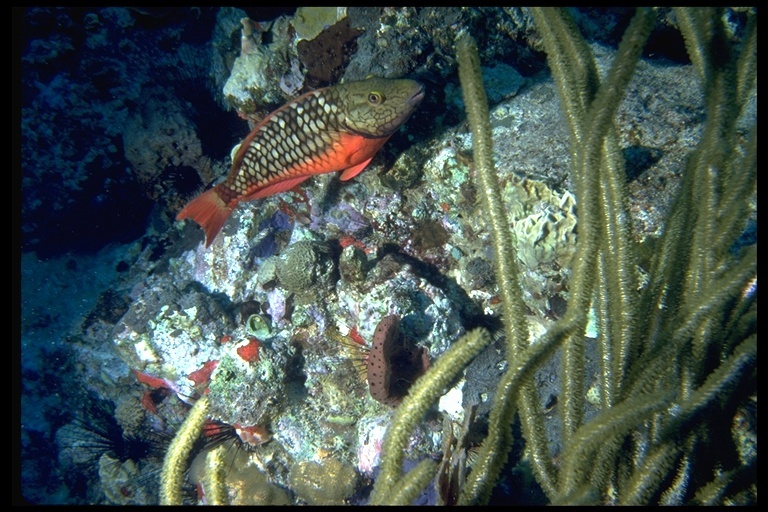
Sparisoma viride (Bonnaterre, 1788) (Dark green parrotfish)
Inhabits coral reefs with clear water . Young may be found in seagrass beds and other heavily vegetated bottoms. Feeds mainly on soft algae, but has been observed to graze on live corals like, Montastraea annularis . Pro...
Leer más
Leer más
Ginglymostoma cirratum (Bonnaterre, 1788) (Nurse shark)
During the day the nurse shark is a sluggish animal, spending most of its time resting on sandy bottoms, or in crevices in rocks and coral reefs. Often several nurse sharks may congregate when resting, sometimes even pilin...
Leer más
Leer más
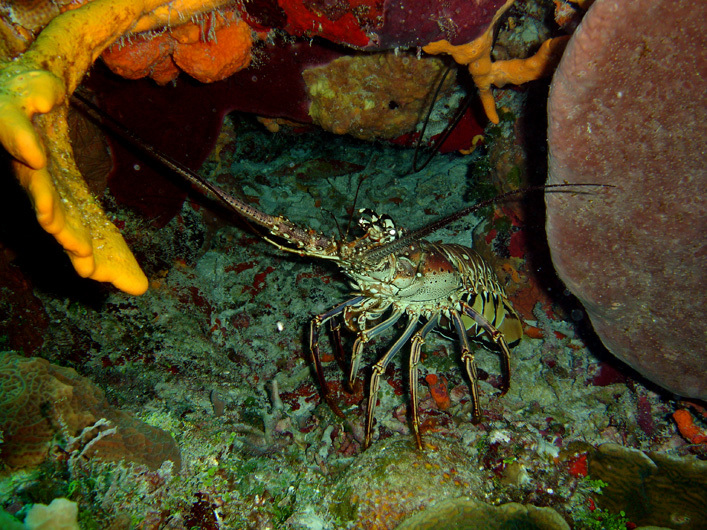
Panulirus argus (Latreille, 1804) (Caribbean spiny lobster)
Aetobatus narinari (Euphrasen, 1790) (Bishop ray)
Large groups of spotted eagle rays may be seen outside of the breeding season. These rays swim close to the surface and can occasionally be seen jumping clear out of the water (known as 'breaching') . Females give birth to ...
Leer más
Leer más
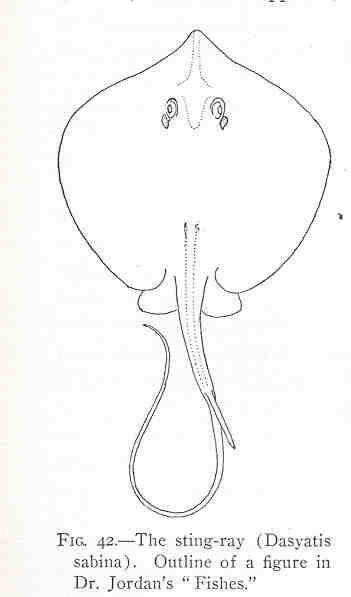
Dasyatis sabina (Lesueur, 1824) (Atlantic stingray)
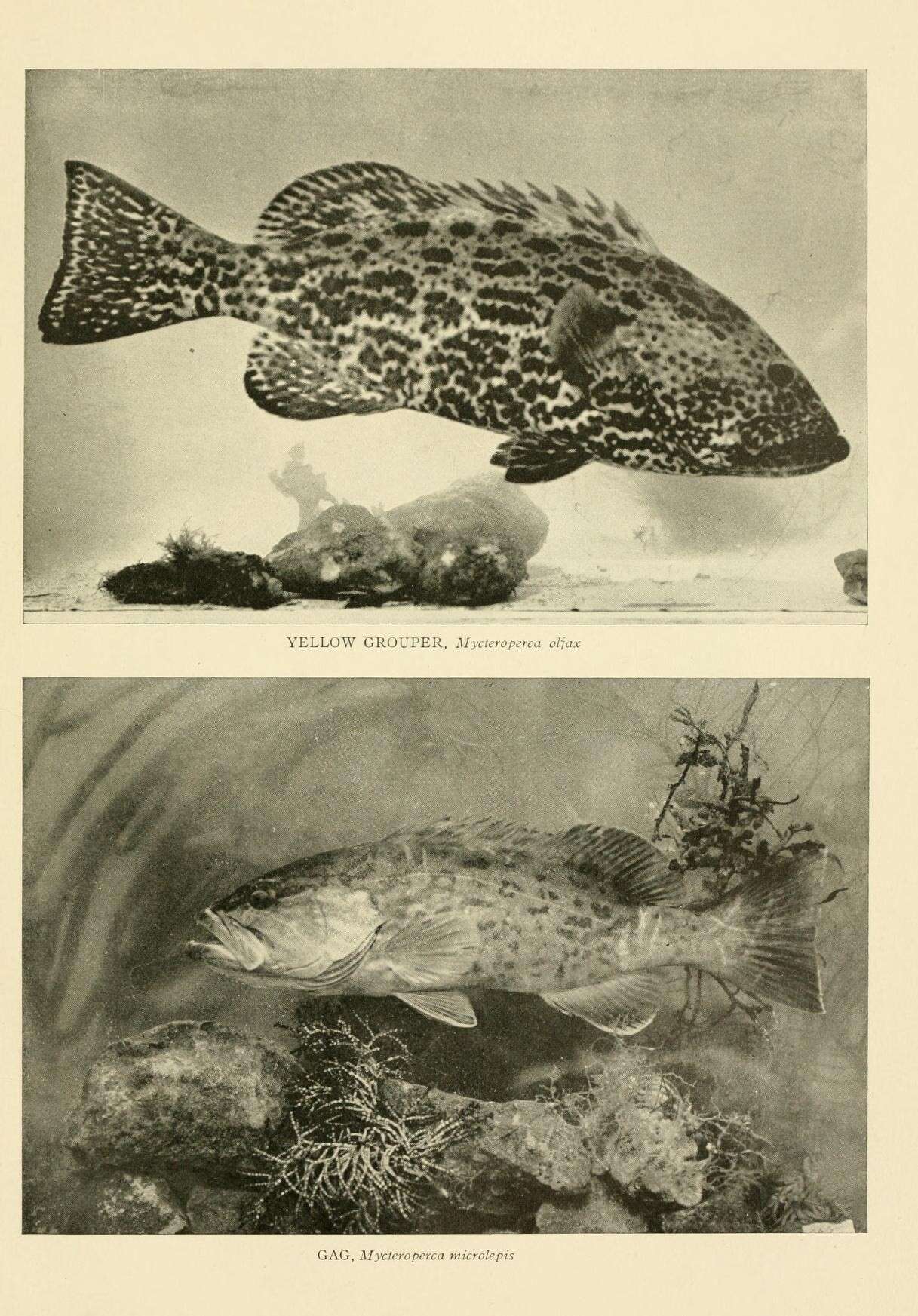
Mycteroperca venenosa (Linnaeus, 1758) (Grouper)
Adults found on rocky and coral reefs, juveniles occur in shallow turtle grass beds. Also been taken in trawls over mud bottom in the northern Gulf of Mexico. Feeds mainly on fishes and squids. Although often implicated...
Leer más
Leer más
Holacanthus tricolor (Bloch, 1795) (Angelfish)
Inhabits rock jetties, rocky reefs and rich coral areas. Juveniles often associated with fire corals . Feeds on tunicates, sponges, zoantharians and algae. Marketed fresh .
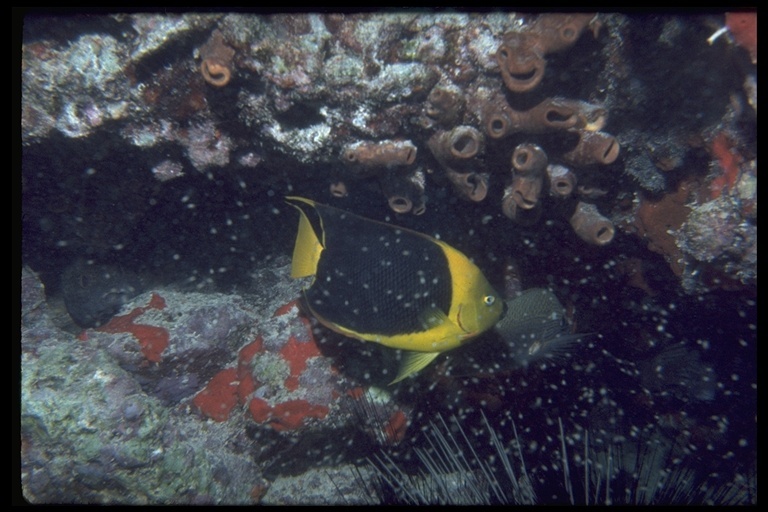
Holacanthus ciliaris (Linnaeus, 1758) (queen angelfish)
Found on coral reefs. Generally occurs solitarily or in pairs. Moves gracefully between seafans, seawhips, and corals . Stomach contents of 26 specimens indicate that the species feeds almost exclusively on sponges suppl...
Leer más
Leer más
Atherinella milleri (Bussing, 1979) (Silverside)
Found along the coast and in estuaries, may ascend rivers . Feeds on crustaceans, terrestrial and aquatic insects, and diatoms .
Anchoa hepsetus (Linnaeus, 1758) (Anchovy)
Forms dense schools, often in shallow waters close to shore. Able to tolerate a wide range of salinities, from hypersaline to almost fresh. Feeds on copepods when young, then on gastropods, foraminifers and an occasional ...
Leer más
Leer más
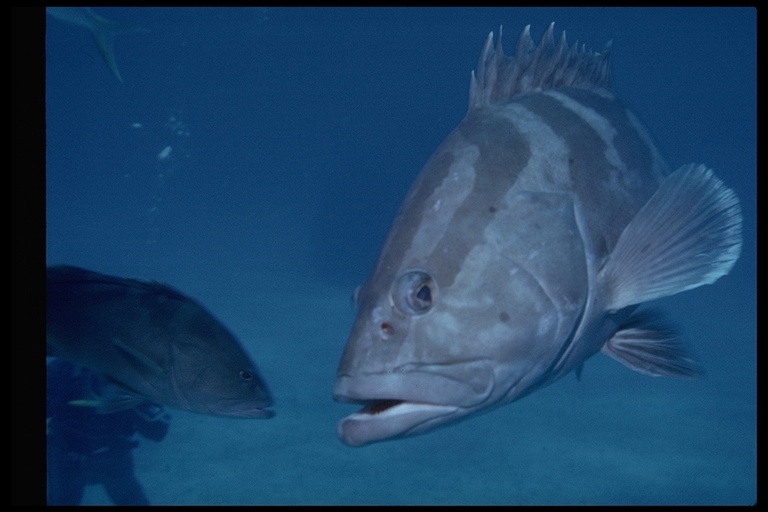
Epinephelus striatus (Bloch, 1792) (Nassau grouper)
Adults are generally solitary, with the exception of spawning events when hundreds to thousands of individuals were known to group together. In the southern extent of the grouper's range, these awesome aggregations occurred...
Leer más
Leer más
Petrochirus diogenes (Linnaeus, 1758) (Giant Hermit Crab)
Heteroconger hassi (Klausewitz & Eibl-Eibesfeldt, 1959) (Spotted garden-eel)
Often found on sandy slopes below 15 m; withdraws into its burrow when approached. Usually in colonies containing up to several hundred individuals.
Compartir en redes sociales
- Facebook:

Personaliza tu texto a compartir, así como su destino (muro, página...) o mándalo como un mensaje privado a un amigo
- Twitter: Tweet Personaliza tu tweet
- Google Plus:
Enlace directo a esta inmersión
- Enlace largo:
- Enlace corto:


 Estamos participando en el concurso de startups Techcrunch Disrupt. Apoya Diveboard votando por nosotros!


























































































Cave of 6-8 lobsters....