


 Estados Unidos

-
Nº9
 Fecha: 2014-08-02 - 08:45
-
 Profundidad máxima: 12.8m Duración: 52mins
Fotos

No hay fotos para esta inmersión
- Temp: Surf 27°C Parte inferior 24°C
- Tipo de buceo: Recreo, Cueva, Arrecife
- Visibilidad: Media Agua: Salada
Equipo específico utilizado
- Pesos: 6.4 kg
Dive reviews
| Puntuación general | ||
| Dificultad de la inmersión | ||
| Calidad de vida marina | ||
| Pez gordo |
Buceadores recientes en Hawaii Oahu
Fotos recientes en Hawaii Oahu
Tienda de buceo & compañeros
 Compañeros de inmersión
Jim Kysar,
Katie Kysar,
Tlc

Enlace a este sitio:
- Lugar:
- País:
- Zona:
- Zona acuática:
Perfil de la inmersión
- 1. Trimix 21/0
- 0L Aluminium 200 → 50 bar
- Profundidad media: m
- 2. Trimix 21/0
- 0L Steel 200 → 50 bar
- Profundidad media: m
- 3. Trimix 21/0
- 0L Steel 200 → 50 bar
- Profundidad media: 7.5m
Datos proporcionados por EOL.org


Especies identificadas
Chlorurus genazonatus (Randall and Bruce, 1983) (Sinai parrotfish)
Inhabits reef slopes . Feeds on benthic algae .
Sphyraena novaehollandiae Günther, 1860 (Australian barracuda)
Occurs in channels and other semi-protected areas. Found in schools. Feeds on various small fish .
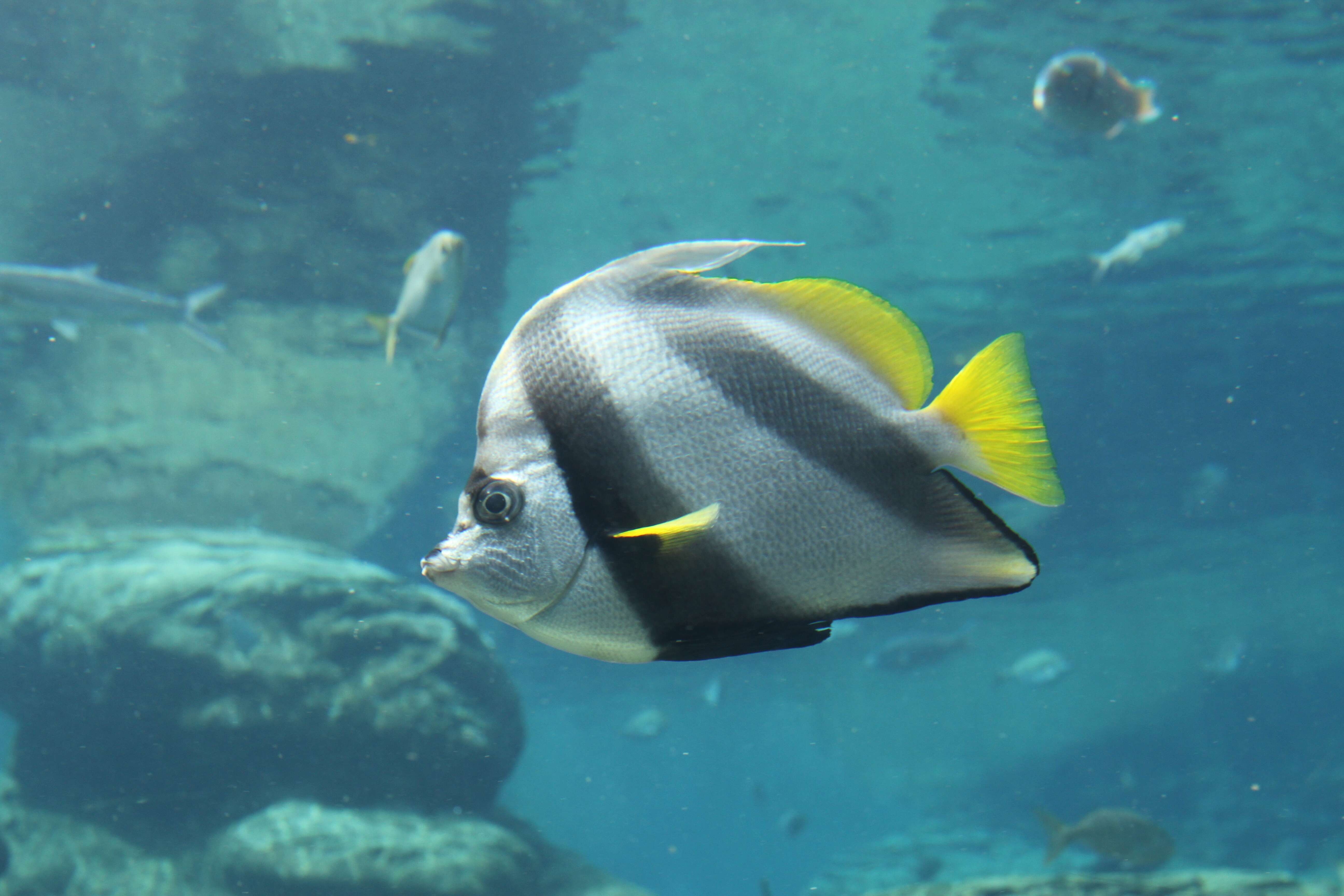
Heniochus diphreutes Jordan, 1903 (False moorish idol)
Occur primarily along outer reef slopes, in current channels. Juveniles in aggregations around isolated patch reefs, adults in large schools well above the bottom . In Indonesia, adults most common in depth 40-50 m, repor...
Leer más
Leer más
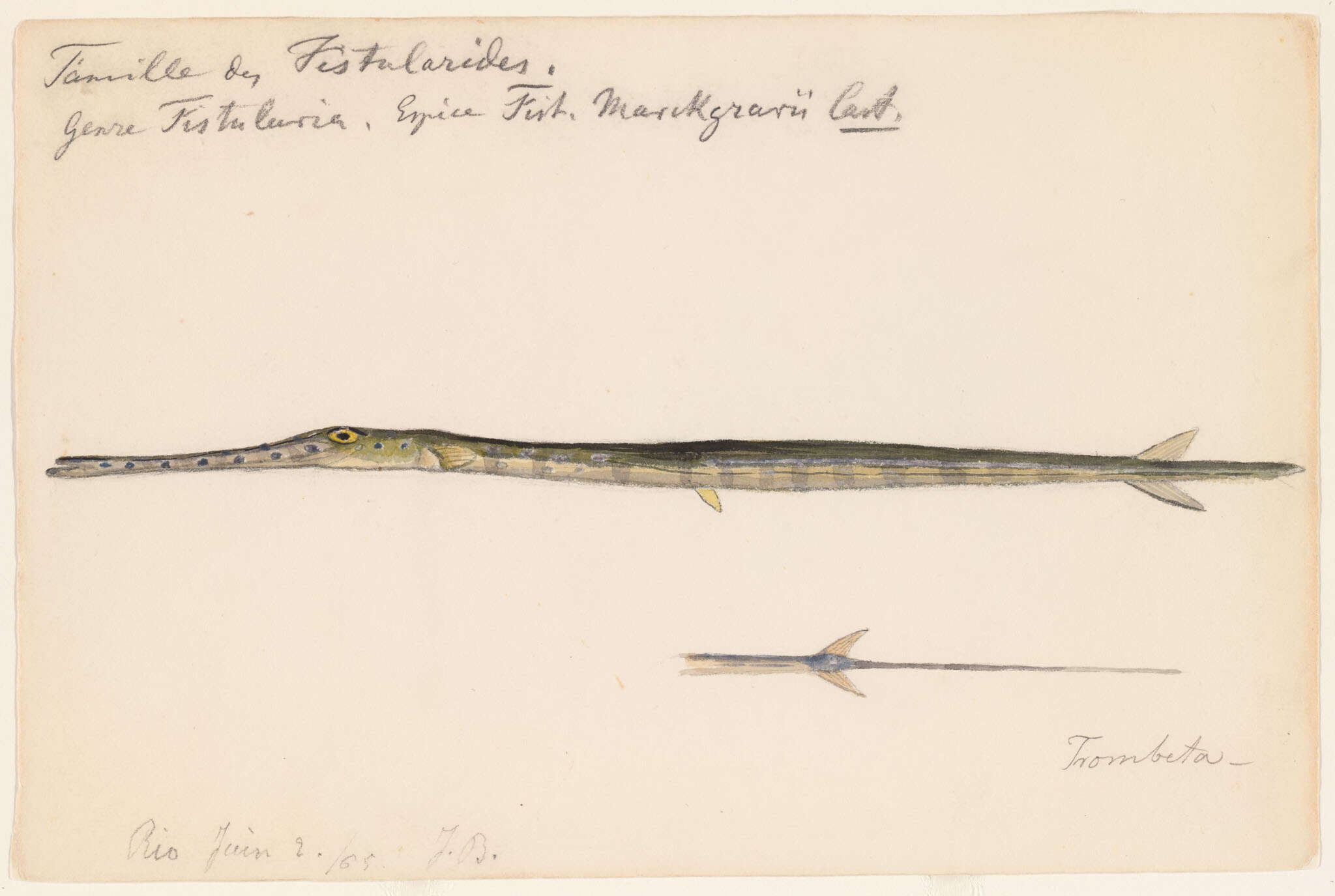
Fistularia tabacaria Linnaeus, 1758 (bluespotted cometfish)
A solitary species occurs over grass flats and reefs, and on hard and rocky bottoms . Feeds on fishes, small crustaceans or invertebrates.
Aetobatus narinari (Euphrasen, 1790) (Bishop ray)
Large groups of spotted eagle rays may be seen outside of the breeding season. These rays swim close to the surface and can occasionally be seen jumping clear out of the water (known as 'breaching') . Females give birth to ...
Leer más
Leer más
Compartir en redes sociales
- Facebook:

Personaliza tu texto a compartir, así como su destino (muro, página...) o mándalo como un mensaje privado a un amigo
- Twitter: Tweet Personaliza tu tweet
- Google Plus:
Enlace directo a esta inmersión
- Enlace largo:
- Enlace corto:


 Estamos participando en el concurso de startups Techcrunch Disrupt. Apoya Diveboard votando por nosotros!

























































































It was a good dive. We started through the elevator shaft and I met up with Tina and we headed left through the reef. There were lots of statue-like figures and we saw a comet-fish, a spotted eagle ray, a school of barracuda and a clown-fish. At the safety stop we did reg recovery and headed up.