


France
(4933Comentarios) |
Scuba diving locations in France
Western France is known for its abundance of marine life. It's a great location for divers who are interested in exploring the habitats of the local mackerel, tuna and pollacks, along with reefs containing some of the best soft coral in France.
In the Mediterranean in Southern France, diving locations are found all the way from St Tropez to the Porquerolles. It's a treasure trove of numerous historical wrecks from the Second World War, with the warm, clear conditions supporting a vast array of sea life. Cave diving, too, is popular in France, especially in the North-East, with a range of caves to suit every level of diver.
When to scuba dive in France
The best times to go scuba diving in France is between May and November, with water temperatures of around 20C along the exposed west coast, and around 20C to 30C in the Mediterranean, so a wetsuit should be fine, though the conditions off the North and West coasts can be dependent on the weather and Atlantic swells during the autumn, winter and spring months, with temperatures sometimes dropping to below 10C. The Mediterranean coast in the south, however, offers much more protected diving environments. Visibility underwater generally ranges from 10 to 30 metres.
Local standards for gear:
Scuba sets in France generally use A-clamp type first stage diving regulators.
The best scuba diving spots in France:
- Near Toulon, try the Ile de Hyeres, containing Port-Cros Marine Reserve, Europe’s first ...
Basado en 4933 opiniones
Scuba diving locations in France
Western France is known for its abundance of marine life. It's a great location for divers who are interested in exploring the habitats of the local mackerel, tuna and pollacks, along with reefs containing some of the best soft coral in France.
In the Mediterranean in Southern France, diving locations are found all the way from St Tropez to the Porquerolles. It's a treasure trove of numerous historical wrecks from the Second World War, with the warm, clear conditions supporting a vast array of sea life.
Cave diving, too, is popular in France, especially in the North-East, with a range of caves to suit every level of diver.
When to scuba dive in France
The best times to go scuba diving in France is between May and November, with water temperatures of around 20°C along the exposed west coast, and around 20°C to 30°C in the Mediterranean, so a wetsuit should be fine, though the conditions off the North and West coasts can be dependent on the weather and Atlantic swells during the autumn, winter and spring months, with temperatures sometimes dropping to below 10°C. The Mediterranean coast in the south, however, offers much more protected diving environments. Visibility underwater generally ranges from 10 to 30 metres.
Local standards for gear:
Scuba sets in France generally use A-clamp type first stage diving regulators.
The best scuba diving spots in France:
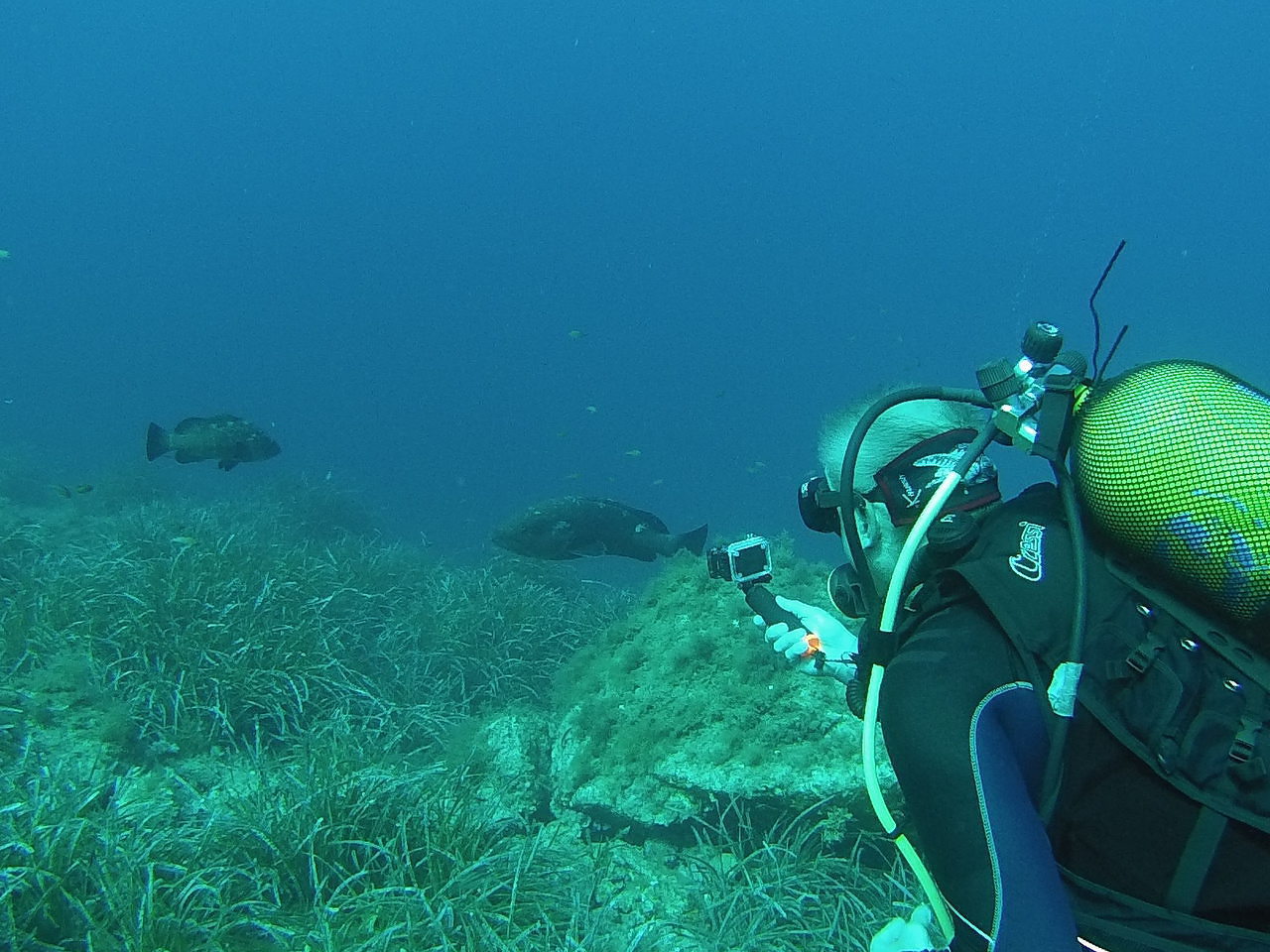
- Near Toulon, try the Ile de Hyeres, containing Port-Cros Marine Reserve, Europe’s first wildlife reserve, you can search for the 20kg Brown Mérou, a massive grouper once thought to be extinct.
- Near Hyeres, about 45m down, the wreck of le Donator lies upright, covered in soft corals and loads of fish. The current can be fairly strong. Nearby is le Grec, another great wreck. Both are best done as planned decompression dives.
- In Antibes, one can find La Fourmigue Nord, a large rocky outcrop accessible from either Juan les Pins or Golfe-Juan’s harbour. Just below the water’s surface and dropping to depths of over 30 metres are a spectacular group of vertical rocks called L'Enfer de Dents (Hell's Teeth) but often referred to as L'Enfer de Dante (Dante’s Inferno). To the south of L'Enfer de Dents, at a depth of about 18 metres, is a small cave known as the Grotte de Miro that holds a bust of Commandant Yves le Prieur, inventor of the first self-contained regulator, and is covered in colourful soft corals. Look out for Gorgonian Fans, Cuttlefish.
The best snorkeling spots in France:
Porquerolles, Port Cros in the Mediterranean.
Fun scuba Facts:
- In 1925, Yves Le Prieur, an officer in the French Navy, released a very successful self-contained underwater breathing unit which feeds air to a full-face mask worn by the diver.
- In 1933, Louis Ce Corlieu patented the first swim fins, first in France and later in the US.
- In 1942, Jacques-Yves Cousteau and Emile Gagnan redesigned a car regulator to automatically provide compressed air to a diver on any intake of breath, a device which would come to be known as the Aqua Lung.
- Jacques-Yves Cousteau (born France, 11 June 1910 – 25 June 1997) was an explorer, ecologist, filmmaker, scientist, photographer, author and researcher who studied the sea and all forms of aquatic life. He was a pioneer of marine conservation.
Country data:
Administrative details
- Currency: Euro (EUR)
- Population: (of Metropolitan France) is approx 63,000,000 (2011)
- Time Zone: CET (GMT+1), Summer CEST (GMT+2)
- Main languages spoken: French ## Diveable overseas territories: Guadeloupe, Martinique, Réunion, French Polynesia, Mayotte
French scuba diving federations:
- le Fédération Française d'Etudes et de Sports Sous-Marins (FFESSM), which is a member of the Confédération Mondiale des Activités Subaquatiques (CMAS)
- l'Association Nationale des Moniteurs de Plongée (ANMP), which is a member of the European Committee of Professional Diving Instructors (CEDIP)
Local diving laws and regulations (and PADI-equivalent certifications)
PADI and some of the other well-known diving certifications are not directly recognized by French diving legislation. Roughly speaking, the entry level qualification in the FFESSM system, Niveau 1 (N1), is equivalent to PADI Open Water (OW), with Niveau 2 (N2), the second level, loosely equating to PADI Advanced Open Water (AOW), although the FFESSM levels tend to have stricter requirements and so further certification or evidence of relevant experience, such as a logbook, may be required to get some diving centres ("centres de plongée") to recognize your qualifications.
For some of the deeper wreck dives (40m and plus) a certification of more than N3 equivalent will be required and you may need to be accompanied by an instructor.
A medical certificate issued within one year signed by a qualified medical doctor may be required for sport diving as a member of a federation and may be requested by some diving centres.
Best dive spots in France
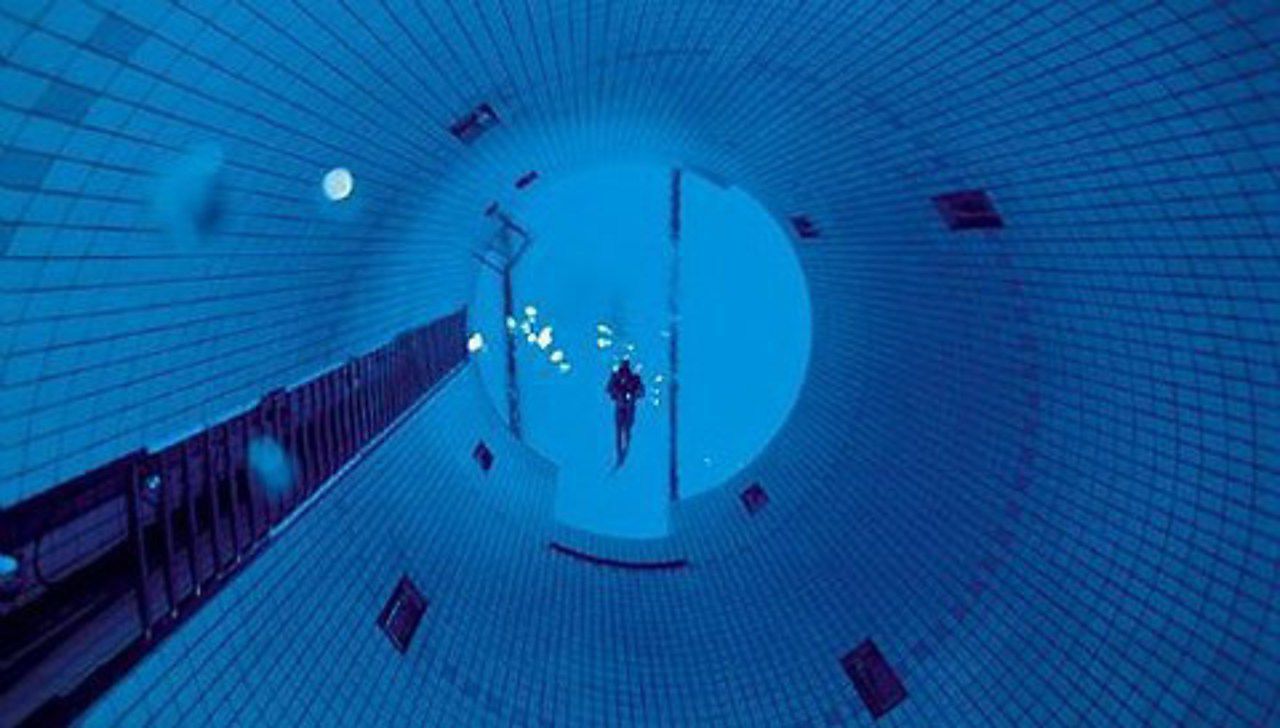
Fosse De Villeneuve 153 dives
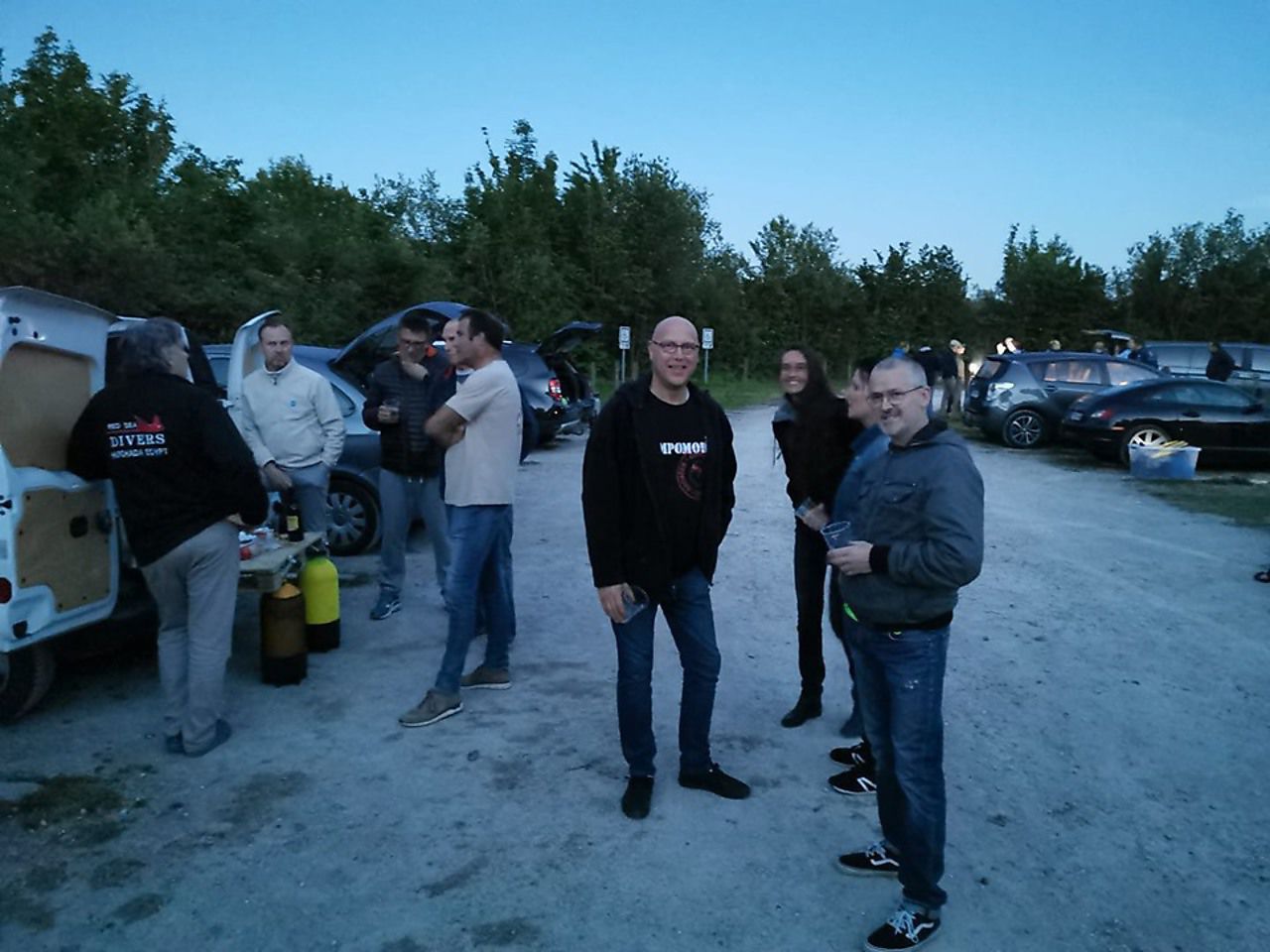
ROEUX 106 dives
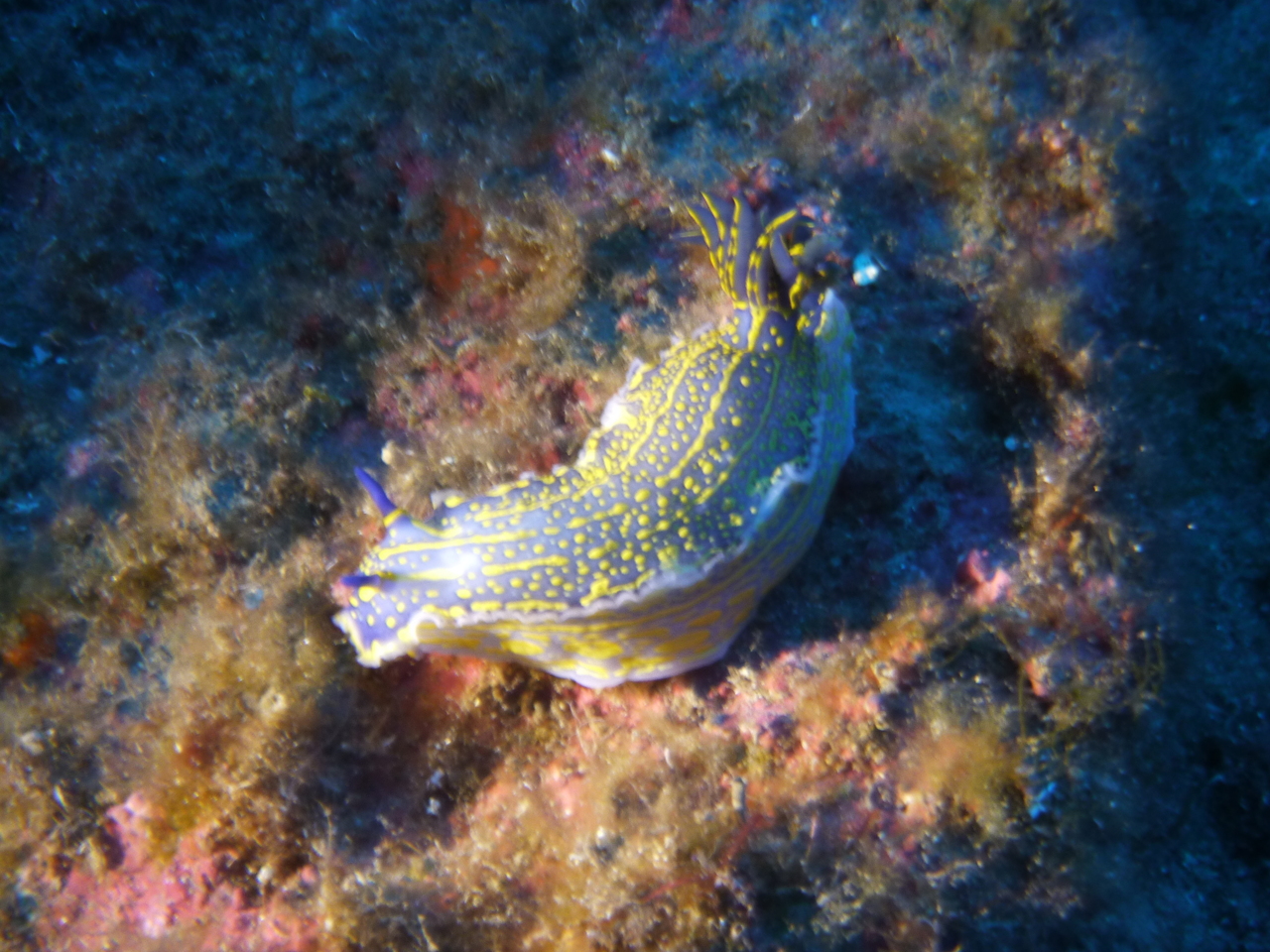
Mediterranean Sea 10076 dives
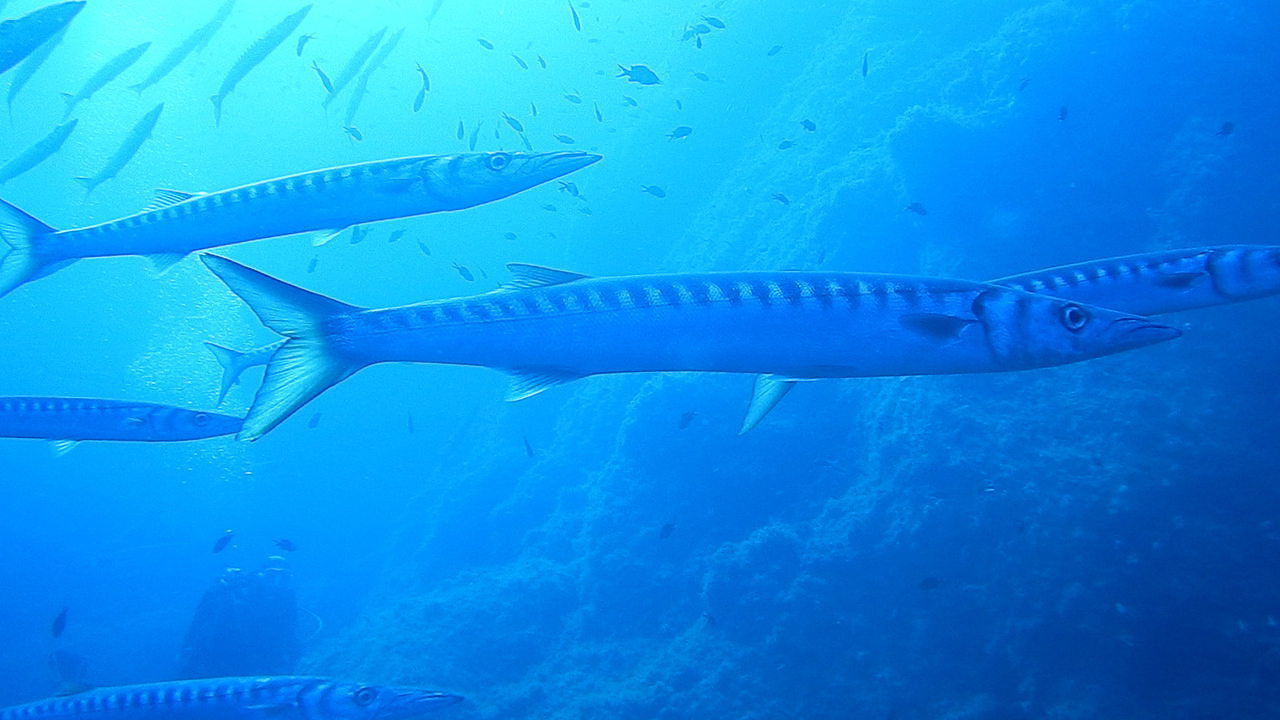
Mer Méditerranée 1761 dives
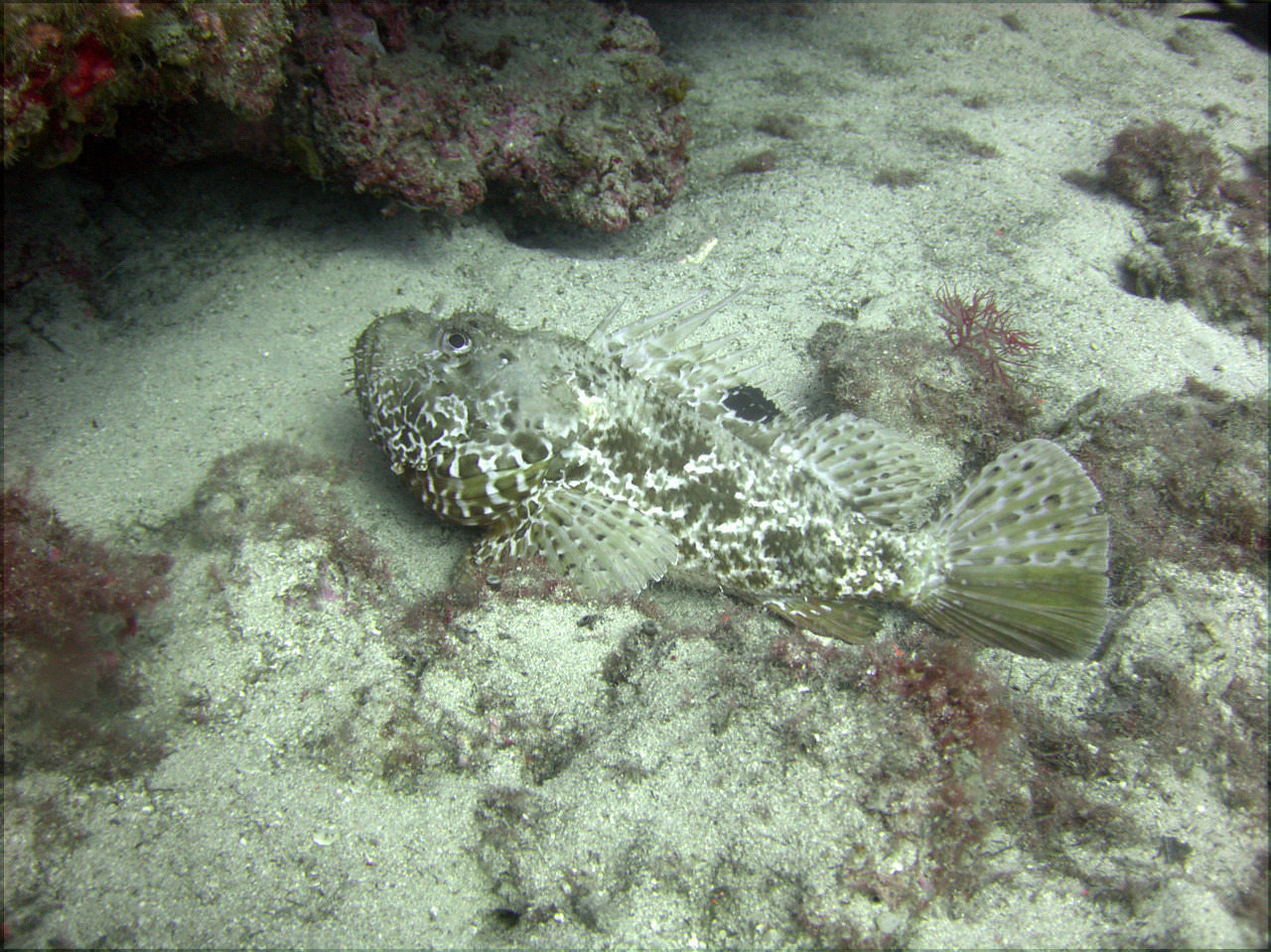
Best dive shops in France



Acerca de

El sitio #1 para todo equipo de submarinismo.
Descubrir destinos a través de los ojos del buceador & reservar sus inmersiones.
Móvil listo y completamente ofrecida con el mejor diario en línea para compartir sus exploraciones y regeneraciones.
Enlaces rápidos
Cambiar idioma: |
|
|
Comunidad y ayuda
Comentarios / sugerencias |
Acerca de Diveboard |
 |
 |
 |
Copyright 2008-2024 Diveboard
Cambiar idioma: |
|
