


 Beachnutts



 Filipinas
-
Nº36
 Fecha: 2022-08-07 - 02:07
-
 Profundidad máxima: 20.1m Duración: 79mins
Ubicación de inmersión

- Intervalo en la superficie:131 mins
- Temp: Surf 27°C Parte inferior 27°C
- Tipo de buceo: Recreo, Arrecife, Foto
- Visibilidad: Media Agua: Salada
Equipo específico utilizado
- BCD: Scubapro - Glide Plus
- Cámara: Canon - Powershot SD780
- Ordenador: Oceanic - OCS
- Aletas: Scubapro - Jet Fins
- Cuchillo: Scuba MAx - folding
- Mascara: Promate - Scope
- Regulador: Aqua Lung - Legend LX
- Traje humedo: Blue Ocean - Diveskin
- Pesos: 3.2 kg
Dive reviews
| Puntuación general | ||
| Dificultad de la inmersión | ||
| Calidad de vida marina |
Buceadores recientes en Talicud island, Davao
Fotos recientes en Talicud island, Davao
Tienda de buceo & compañeros
 Buceo conMike Tacansan
 Compañeros de inmersión
Max

Enlace a este sitio:
- Lugar:
- País:
- Zona:
- Zona acuática:
Perfil de la inmersión
- 1. Air
- 10L Aluminium 214 → 23 bar
- Profundidad media: 13.4m
Datos proporcionados por EOL.org




Especies identificadas
Balistapus undulatus (Park, 1797) (Orange-lined triggerfish)
Occurs in coral-rich areas of deep lagoon and seaward reefs from the lower surge zone to at least 50 meters, Ref. 48637. Feeds on a variety of benthic organisms such as algae, echinoderms, fishes, mollusks, tunicates, spon...
Leer más
Leer más
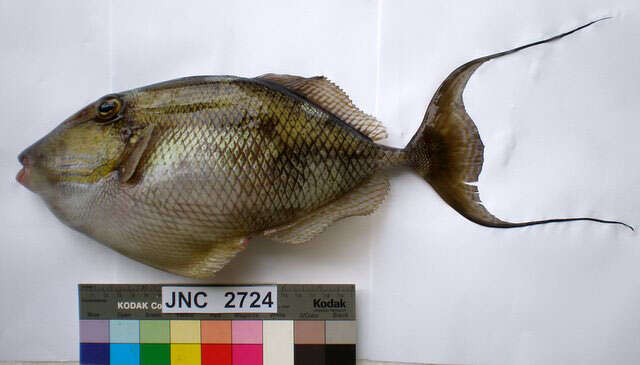
Abalistes filamentosus Matsuura & Yoshino, 2004 (Triggerfish)
Rhinecanthus assasi (Forsskål, 1775) (Picasso triggerfish)
Inhabits shallow sandy and rubble areas of coral reefs . Juveniles are commonly found on reef flats . Feeds on benthic invertebrates . Caught with artisanal gear, mainly pots .
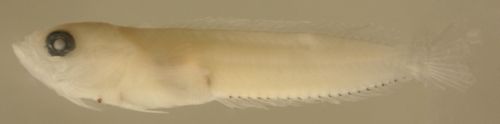
Paraclinus cingulatus (Evermann and Marsh, 1899) (Coral blenny)
Occurs in pockets of coral rubble on reefs or in tide pools.
Paraclinus grandicomis (Rosén, 1911) (horned blenny)
Associated with mollusks, sponges, and anemones .
Paraclinus integripinnis (Smith, 1880) (reef finspot)
Inhabits tide pools and rocky areas. The few stomachs which have been examined contained isopods and amphipods .
Paraclinus fasciatus (Steindachner, 1876) (banded blenny)
Occurs in protected shallow waters, in coral, rock or sand bottoms especially in seagrass beds.
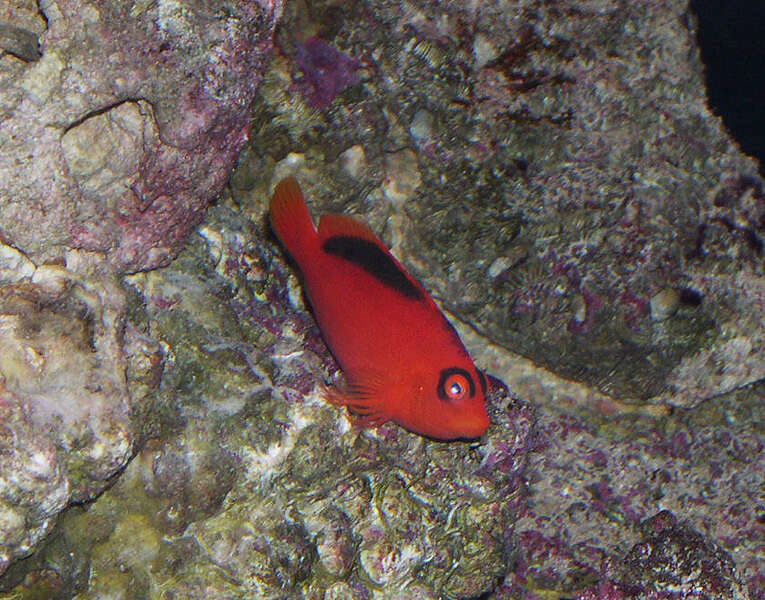
Neocirrhites armatus Castelnau, 1873 (Flame hawkfish)
Common along surge-swept reef fronts and submarine terraces to a depth of about 11 m. Usually seen hiding among branches of live corals . Retreats deep into the coral when approached . Oviparous, monogamous . Highly priced aquarium fish, requires well-oxygenated water and fades in captivity .
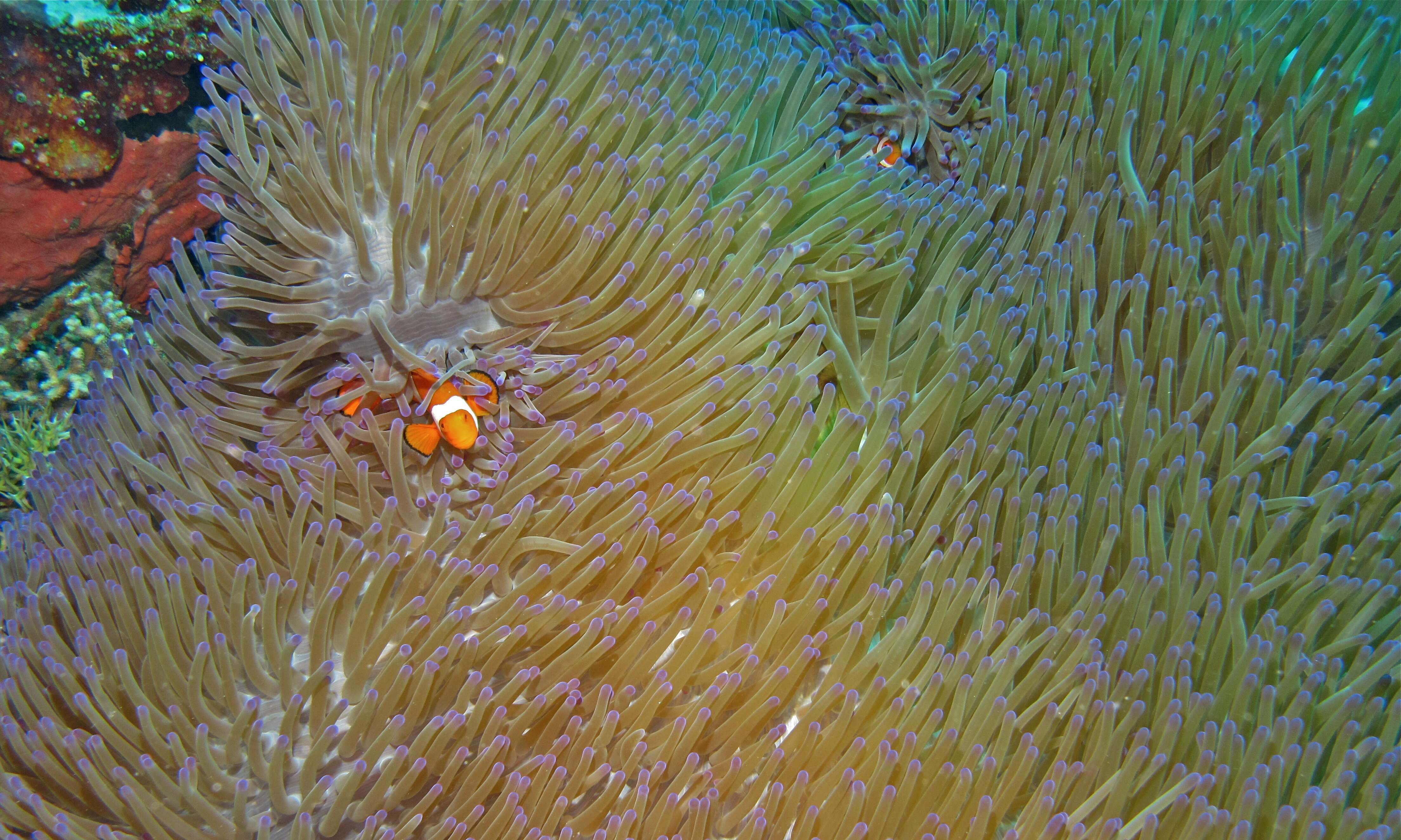
Amphiprion ocellaris Cuvier, 1830 (false clown anemonefish)
Premnas biaculeatus (Bloch, 1790) (Spinecheek anemonefish)
Inhabits lagoon and seaward reefs , found mainly in protected coastal waters and lagoons. Typically found in pairs in which males are much smaller than females . Feeds primarily on zooplankton and benthic algae . Has been reared in captivity . Associated with the anemone Entacmaea quadricolor .
Compartir en redes sociales
- Facebook:

Personaliza tu texto a compartir, así como su destino (muro, página...) o mándalo como un mensaje privado a un amigo
- Twitter: Tweet Personaliza tu tweet
- Google Plus:
Enlace directo a esta inmersión
- Enlace largo:
- Enlace corto:


 Estamos participando en el concurso de startups Techcrunch Disrupt. Apoya Diveboard votando por nosotros!


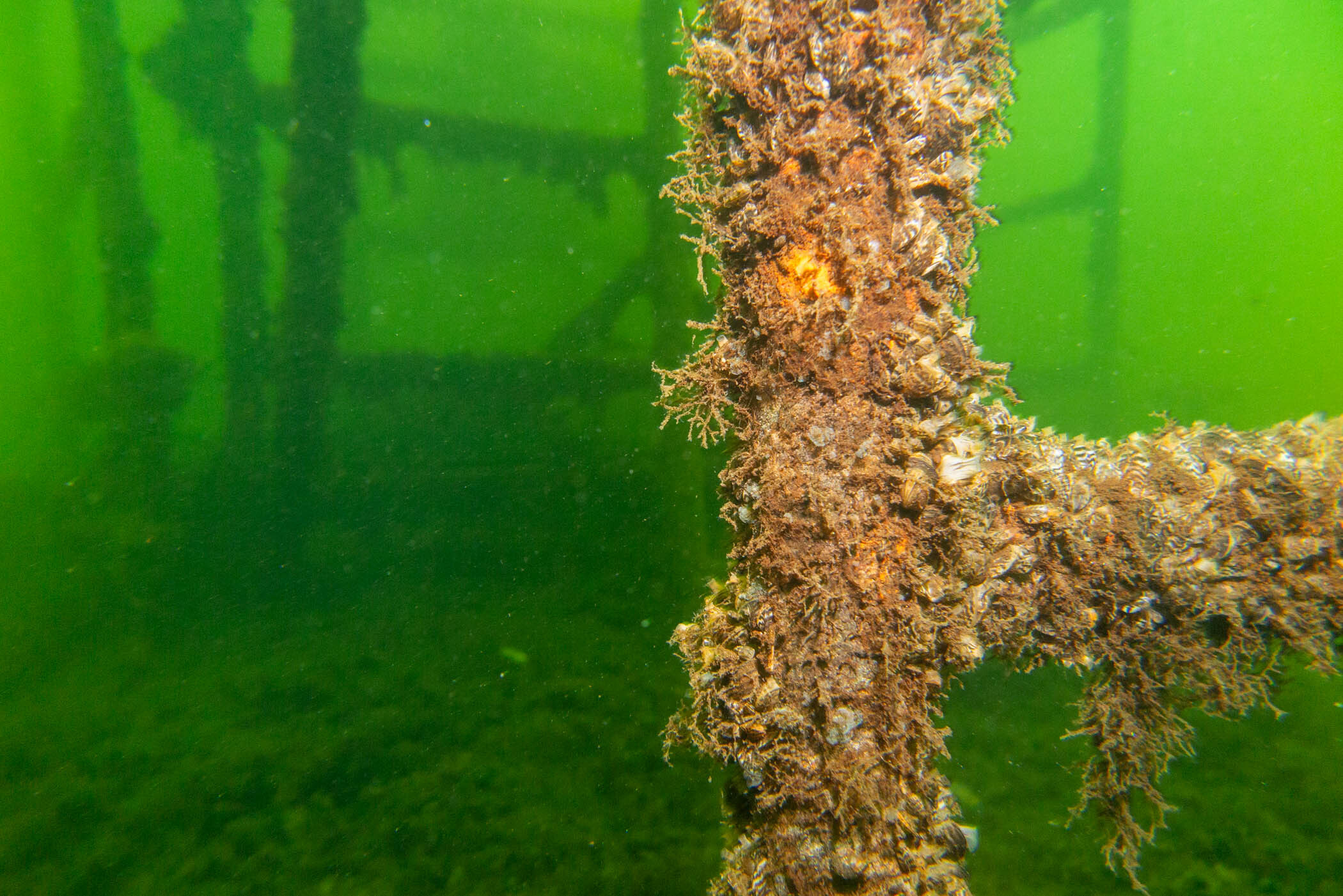
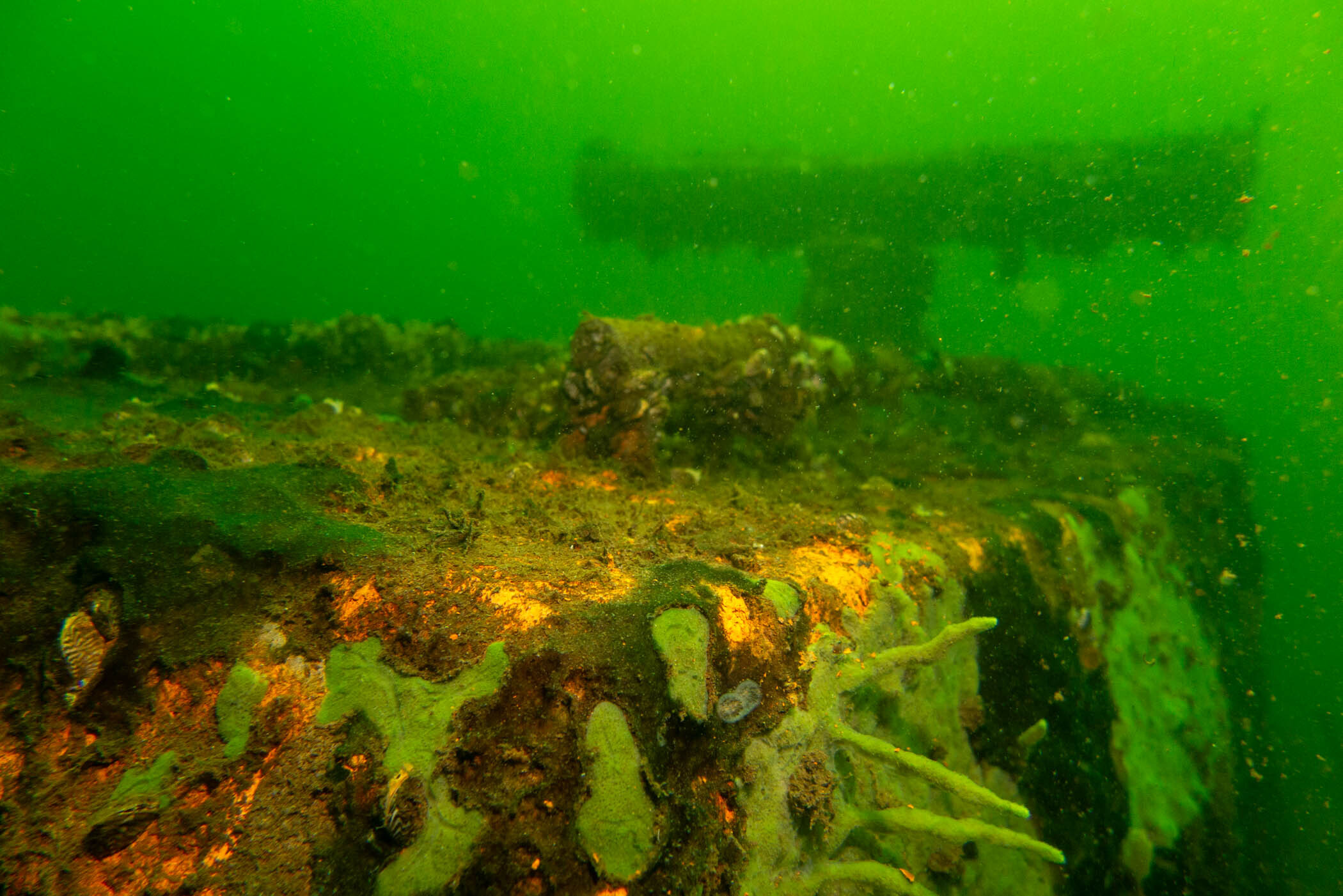
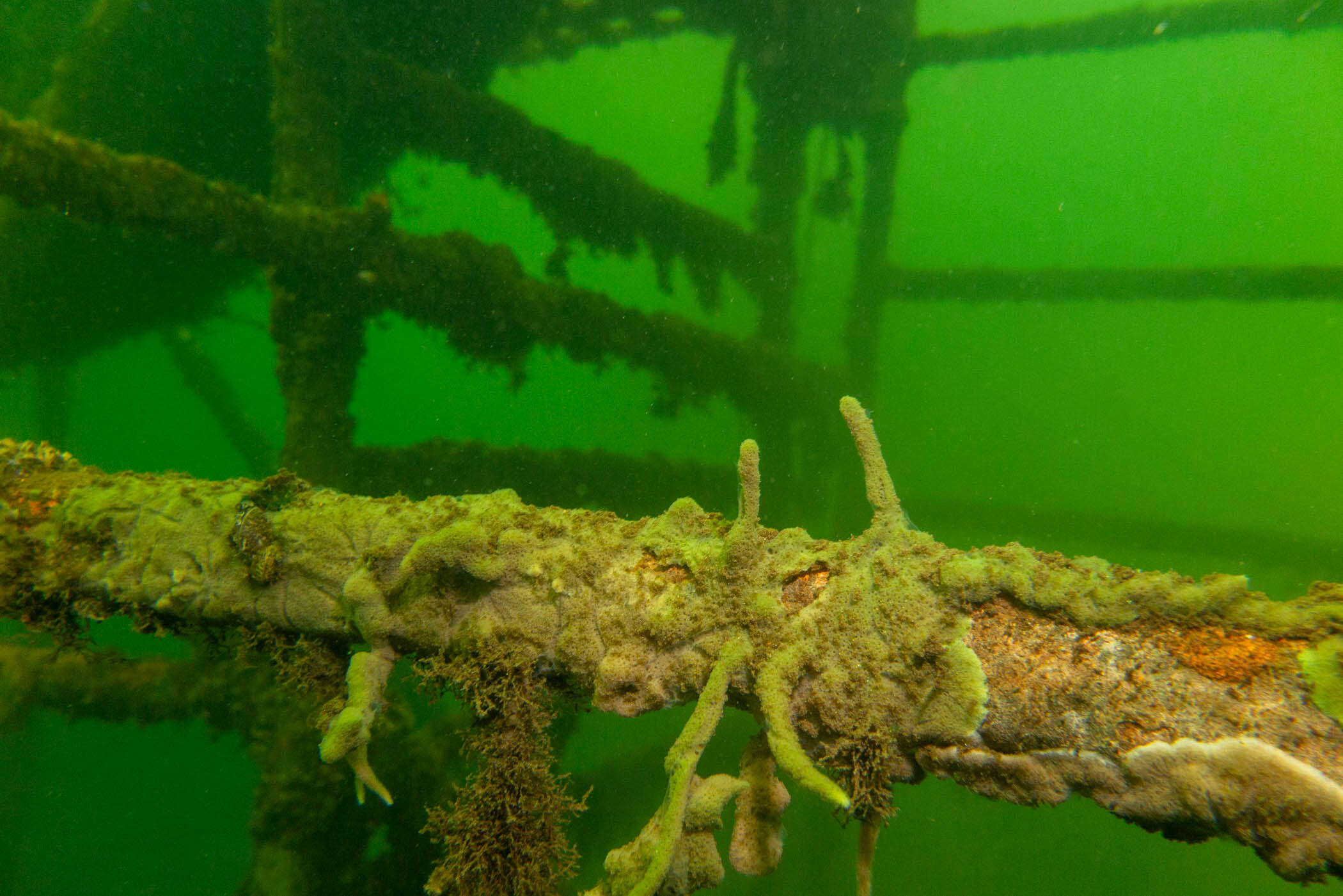
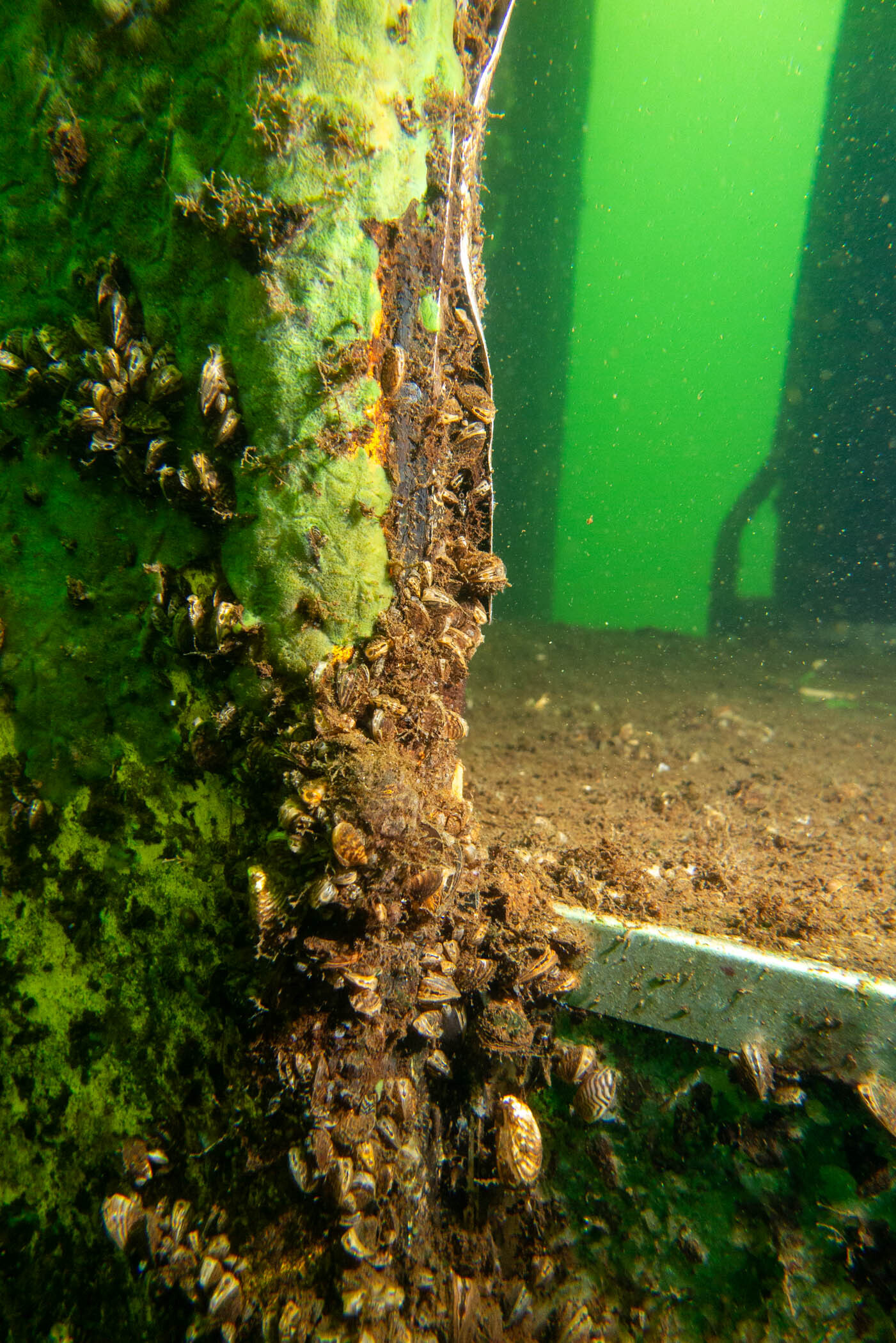

























































































SI 2:11 Multilevel
2nd Dive Angel's Cove Talikud Island @West Boulders
Drop in NW bouy swim to slope at entrance of Boulders section Angel's Cove swim to depth and rounding to South swim started to feel current and lessening viz, reverse to the Cove and shallows, back to boat.
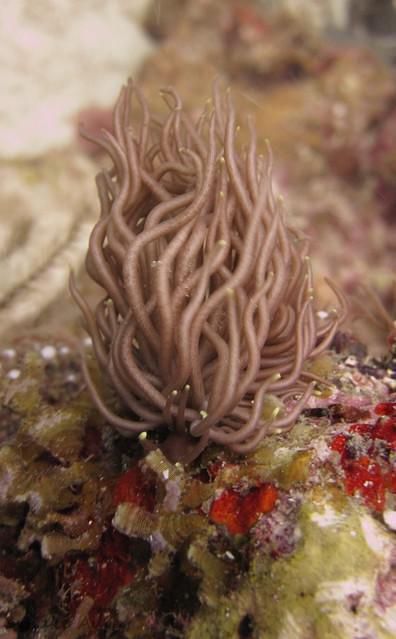
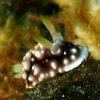
Largest Yellow Tipped Phyllodesmium I've seen