


 Beachnutts



 Filipinas
-
Nº60
 Fecha: 2023-01-29 - 01:08
-
 Profundidad máxima: 22.9m Duración: 70mins
Ubicación de inmersión

- Intervalo en la superficie:78 mins
- Temp: Surf 26°C Parte inferior 26°C
- Tipo de buceo: Recreo, Arrecife, Foto
- Visibilidad: Buena Agua: Salada
Equipo específico utilizado
- BCD: Oceanic - OceanPro
- Cámara: Canon - Powershot SD780
- Ordenador: Oceanic - OCS
- Aletas: Scubapro - Jet Fins
- Cuchillo: Scuba MAx - folding
- Boya elevadora: ScubaMax - SMB
- Mascara: Promate - Scope
- Regulador: SEAC - Synchro
- Traje humedo: Blue Ocean - Diveskin
- Pesos: 3.2 kg
Dive reviews
| Puntuación general | ||
| Dificultad de la inmersión | ||
| Calidad de vida marina |
Buceadores recientes en Talicud island, Davao
Fotos recientes en Talicud island, Davao
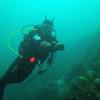
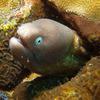
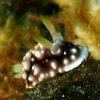
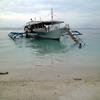
Tienda de buceo & compañeros
 Buceo conMaeng
 Compañeros de inmersión
Mike Tacansan

Enlace a este sitio:
- Lugar:
- País:
- Zona:
- Zona acuática:
Perfil de la inmersión
- 1. Air
- 10L Aluminium 207 → 34 bar
- Profundidad media: 15.2m
Datos proporcionados por EOL.org






Especies identificadas
Haliclona griessingeri Van Lent & De Weerdt, 1987
Hyalonema bianchoratum Wilson, 1904
Ancorina brevidens Dendy & Frederick, 1924
Ancorina corticata Lévi, 1964
Jaspis duosaster Hoshino, 1981
Ancorina diplococcus Dendy, 1924
Ancorina fenimorea de Laubenfels, 1934
Ancorina nanosclera Lévi, 1967
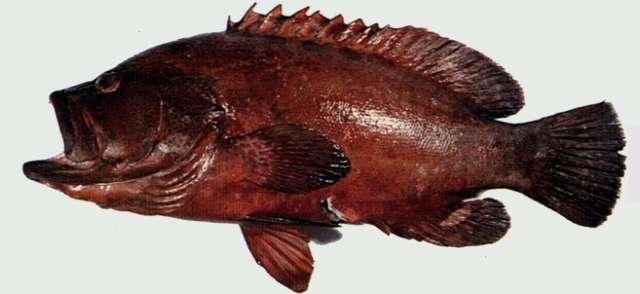
Epinephelus howlandi (Günther, 1873) (blacksaddle grouper)
Usually found over rocky areas or on coral reefs. Nothing has been published on its biology. Appears to be very rare and therefore of little commercial importance. In Hong Kong live fish markets .
Epinephelus longispinis (Kner, 1864) (Longspine grouper)
Inhabits coral reefs or rocky areas and occasionally on sandy bottom. Feeds mainly on crustaceans, especially crabs and stomatopods, rarely on small fishes, squids, and pelecypod flesh. Used in Chinese medicine .
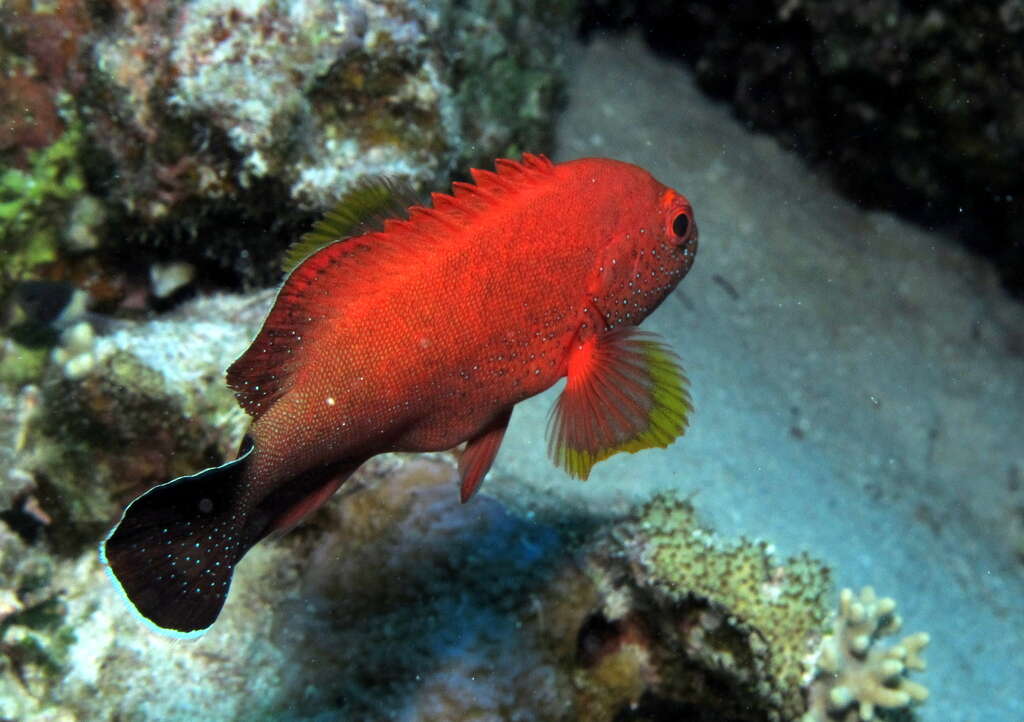
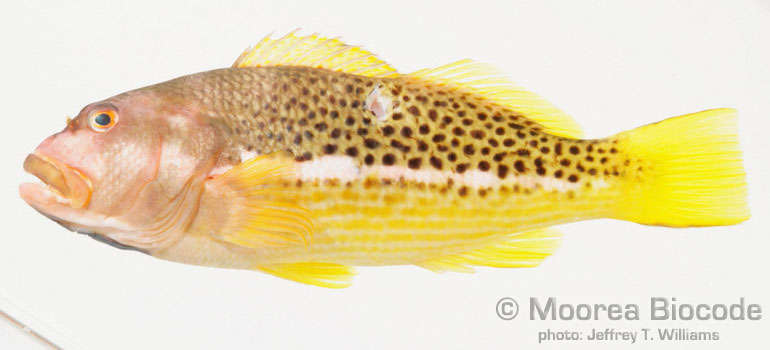
Cephalopholis sonnerati (Valenciennes, 1828) (Red coral rod)
Occurs in deep lagoon reefs and steep outer reef slopes; encountered in coastal areas with rocky substrates. Juveniles are usually found near sponges or coral heads . Adults usually at moderate depths with bommies with la...
Leer más
Leer más
Cephalopholis hemistiktos (Rüppell, 1830) (duskyfin grouper)
In the Red Sea, it is often found on patchy open reef areas. Feeds diurnally on fishes (64%, mostly pomacentrids) and crustaceans (36%). It is a monogamous species, the pair jointly defends a common territory of up to 62 square m .
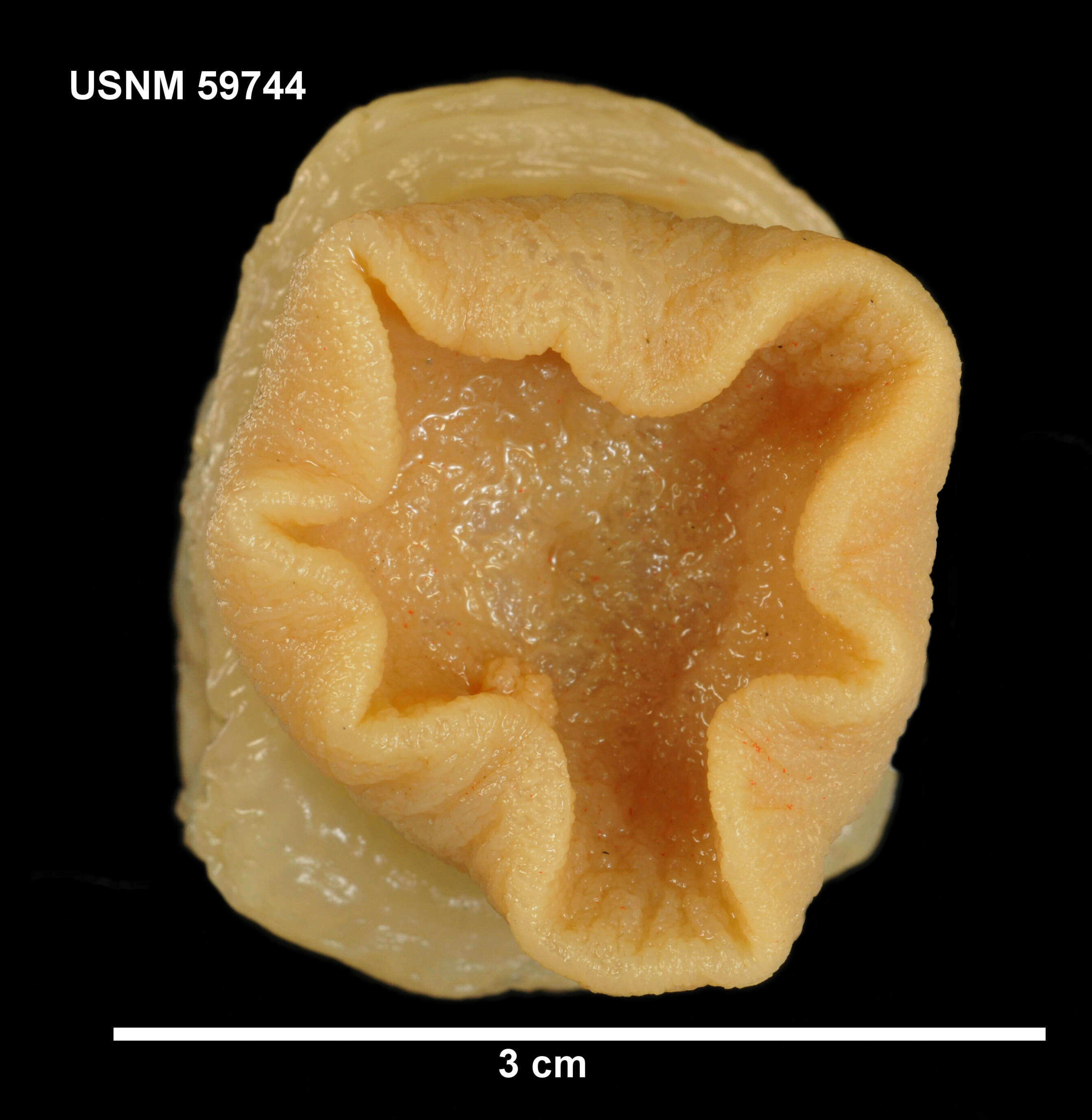
Heteractis magnifica (Quoy and Gaimard, 1833) (Magnificent sea anemone)
Heteractis crispa (Hemprich and Ehrenberg in Ehrenberg, 1834) (Leathery sea anemone)
Aiptasiogeton pellucidus (Hollard, 1848)
Epiactis georgiana Carlgren, 1927
Heteractis malu (Haddon and Shackleton, 1893) (Delicate sea anemone)
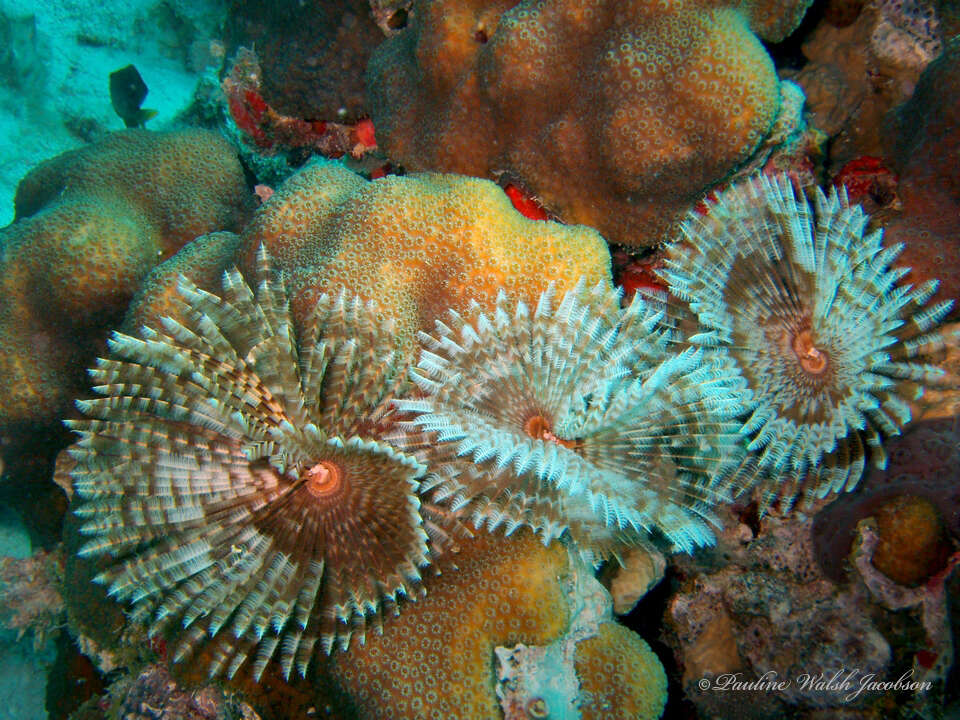
Sabellastarte magnifica (Shaw, 1800) (feather duster)
Paracirrhites hemistictus (Günther, 1874) (Whitespot hawkfish)
An uncommon species that inhabits exposed reef fronts and outer reef slopes to a depth of about 18 m where it perches on rocks and corals. Absent from most large continental islands . Minimum depth reported taken from Ref. 9710.
Cirrhitus pinnulatus (Forster, 1801) (oopukai)
Inhabits reef fronts and rocky shorelines exposed to moderate to strong surge to depths of about 3 m . Benthic . Feeds primarily on crabs, also takes other crustaceans, small fishes, sea urchins or brittle stars. Marketed fresh .
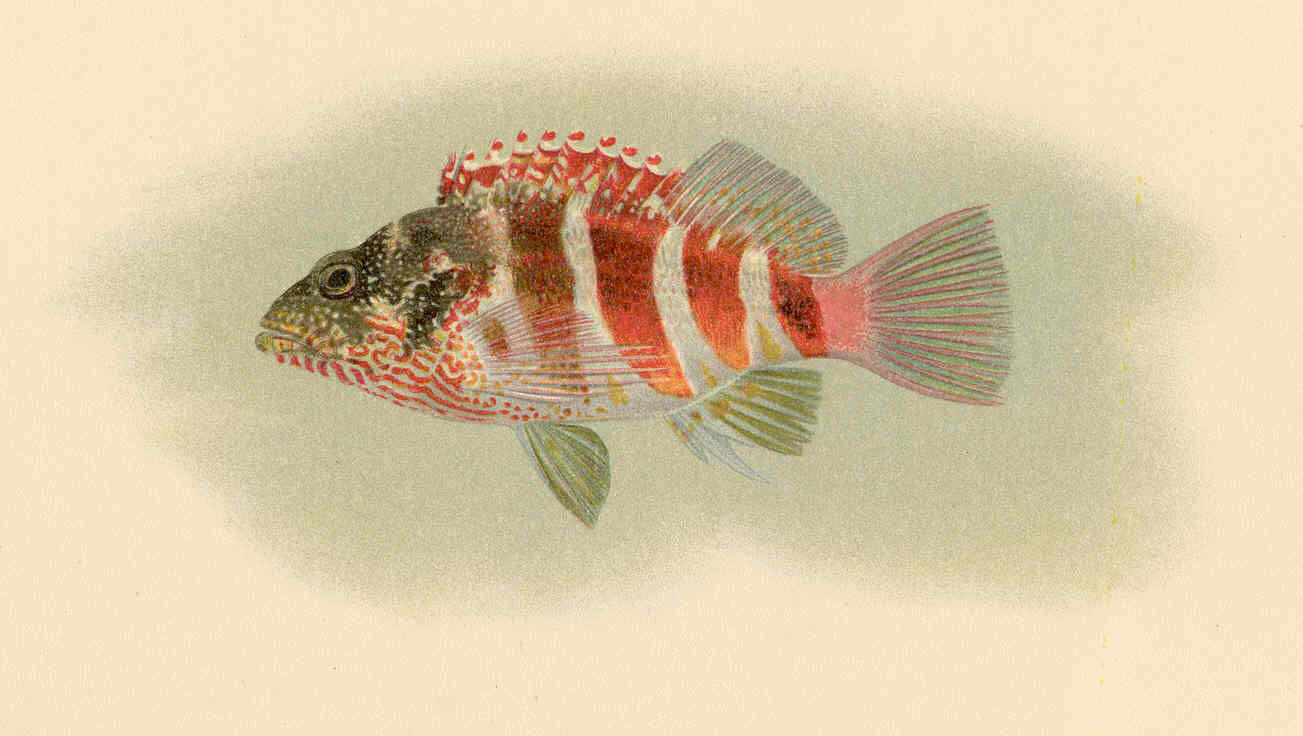
Cirrhitops fasciatus (Bennett, 1828) (Redbarred hawkfish)
Occurs on seaward reefs, in areas of moderate to rich coral growth. Typically at the bases of coral heads on hard bottoms . Benthic . Feeds about equally on small fishes, shrimps and crabs; to a lesser extent, on sipunculids and zooplankton .
Compartir en redes sociales
- Facebook:

Personaliza tu texto a compartir, así como su destino (muro, página...) o mándalo como un mensaje privado a un amigo
- Twitter: Tweet Personaliza tu tweet
- Google Plus:
Enlace directo a esta inmersión
- Enlace largo:
- Enlace corto:


 Estamos participando en el concurso de startups Techcrunch Disrupt. Apoya Diveboard votando por nosotros!


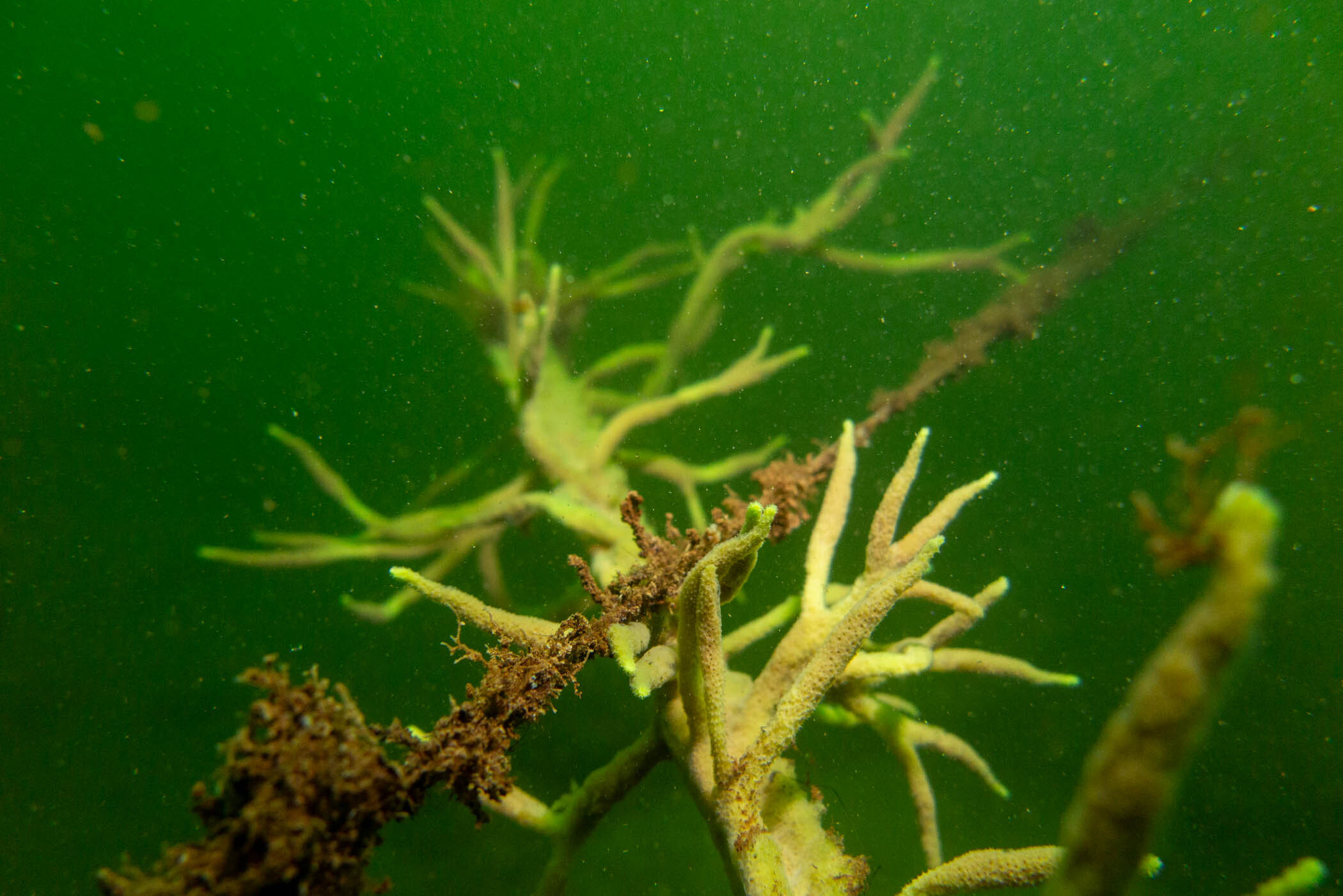
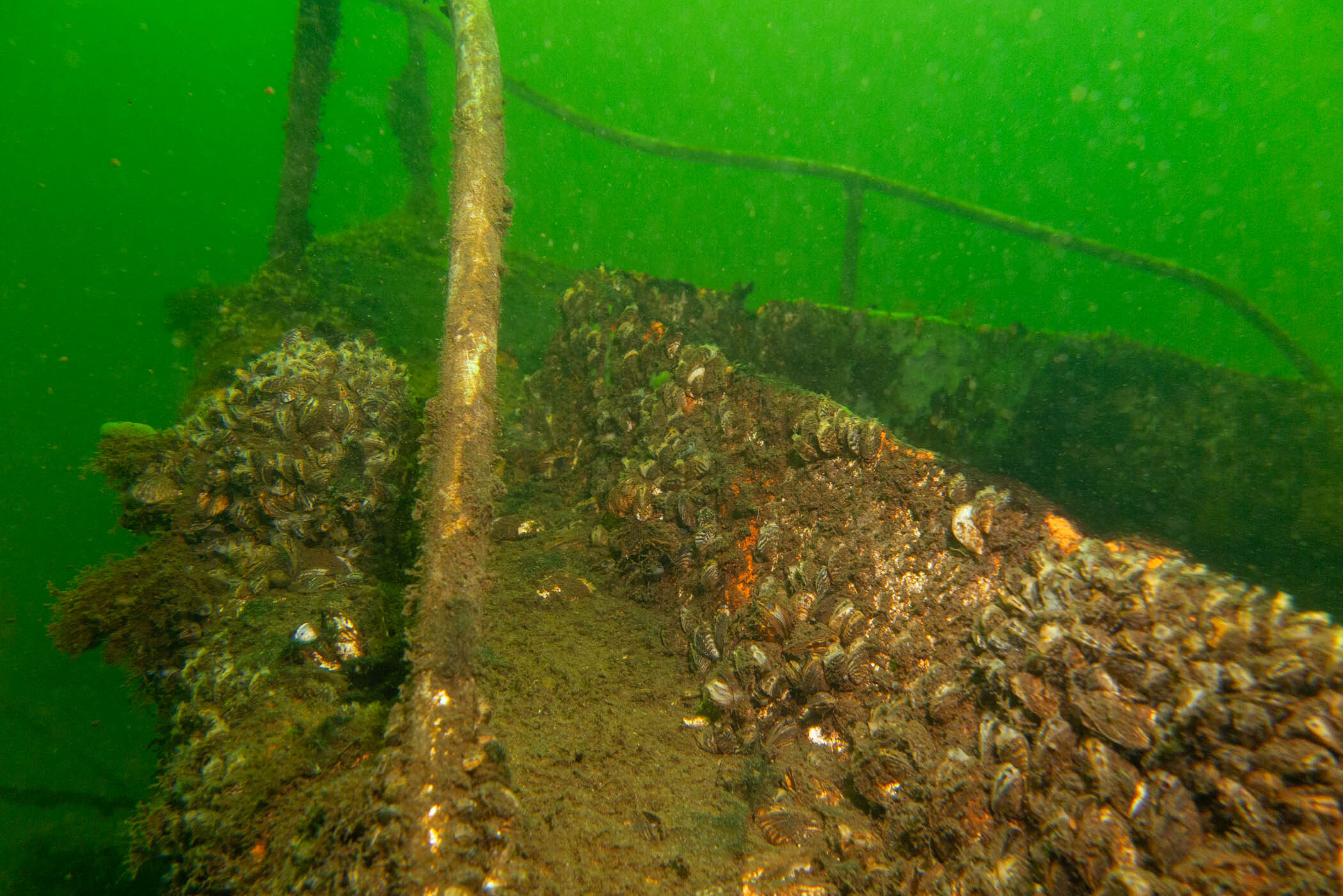
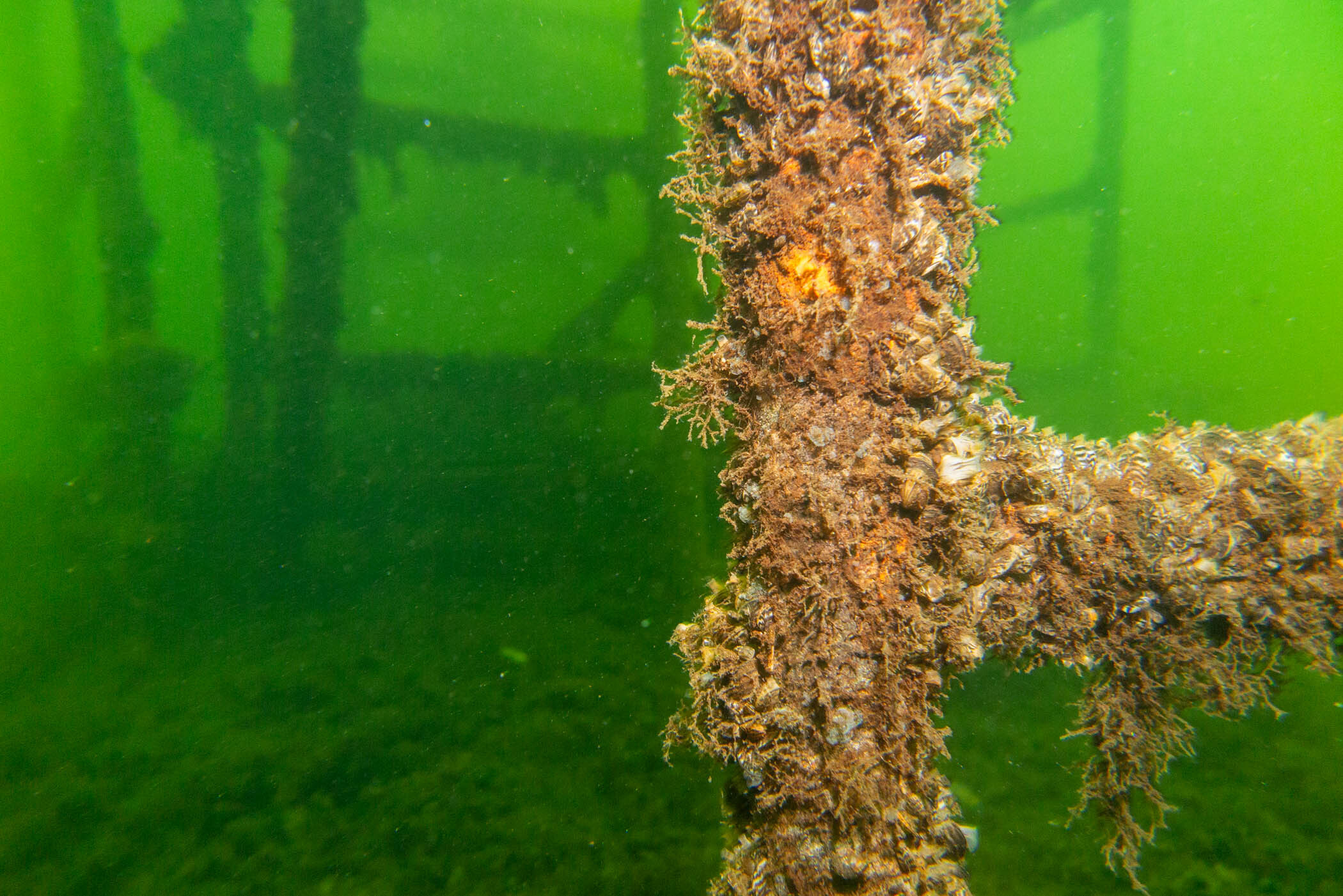
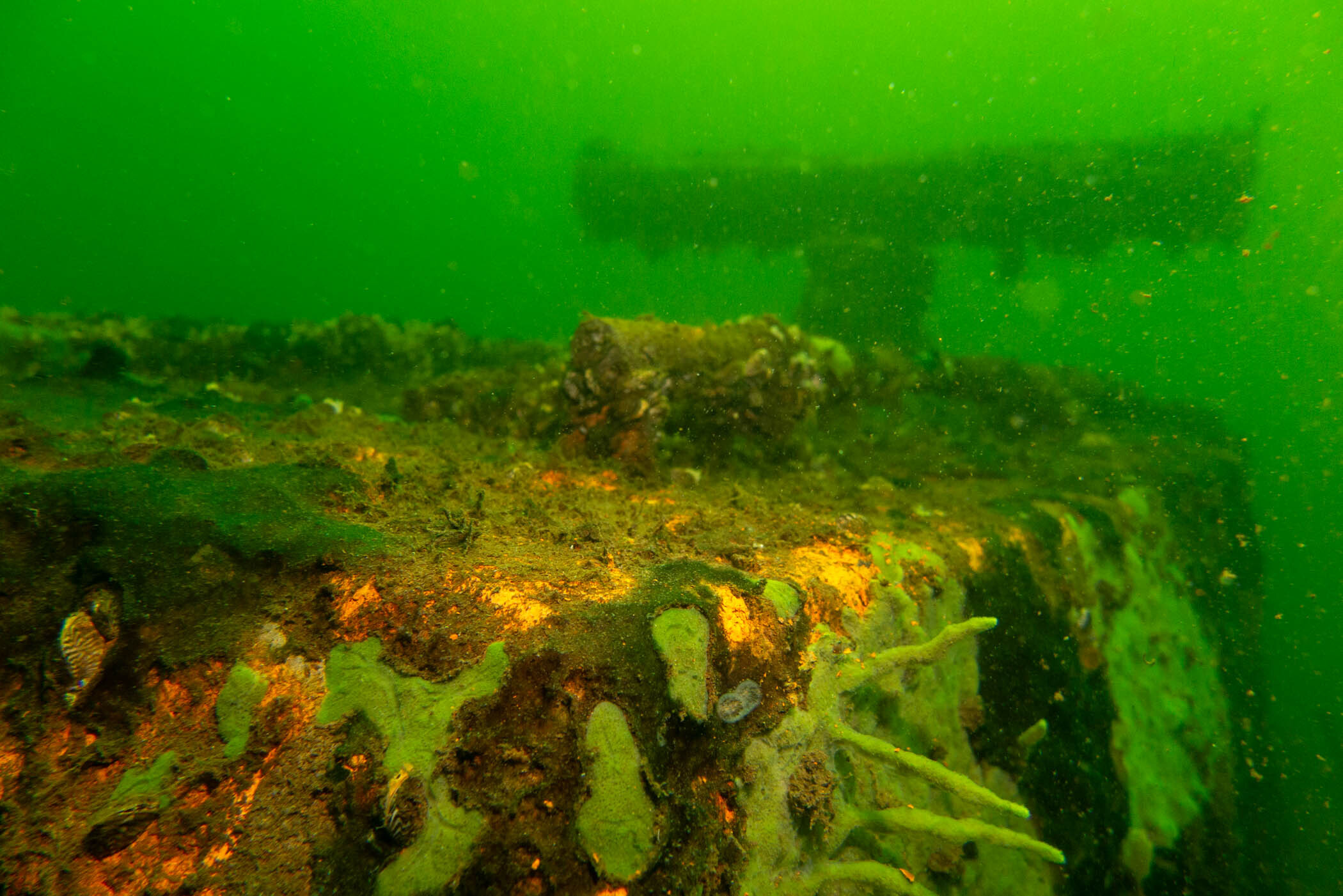
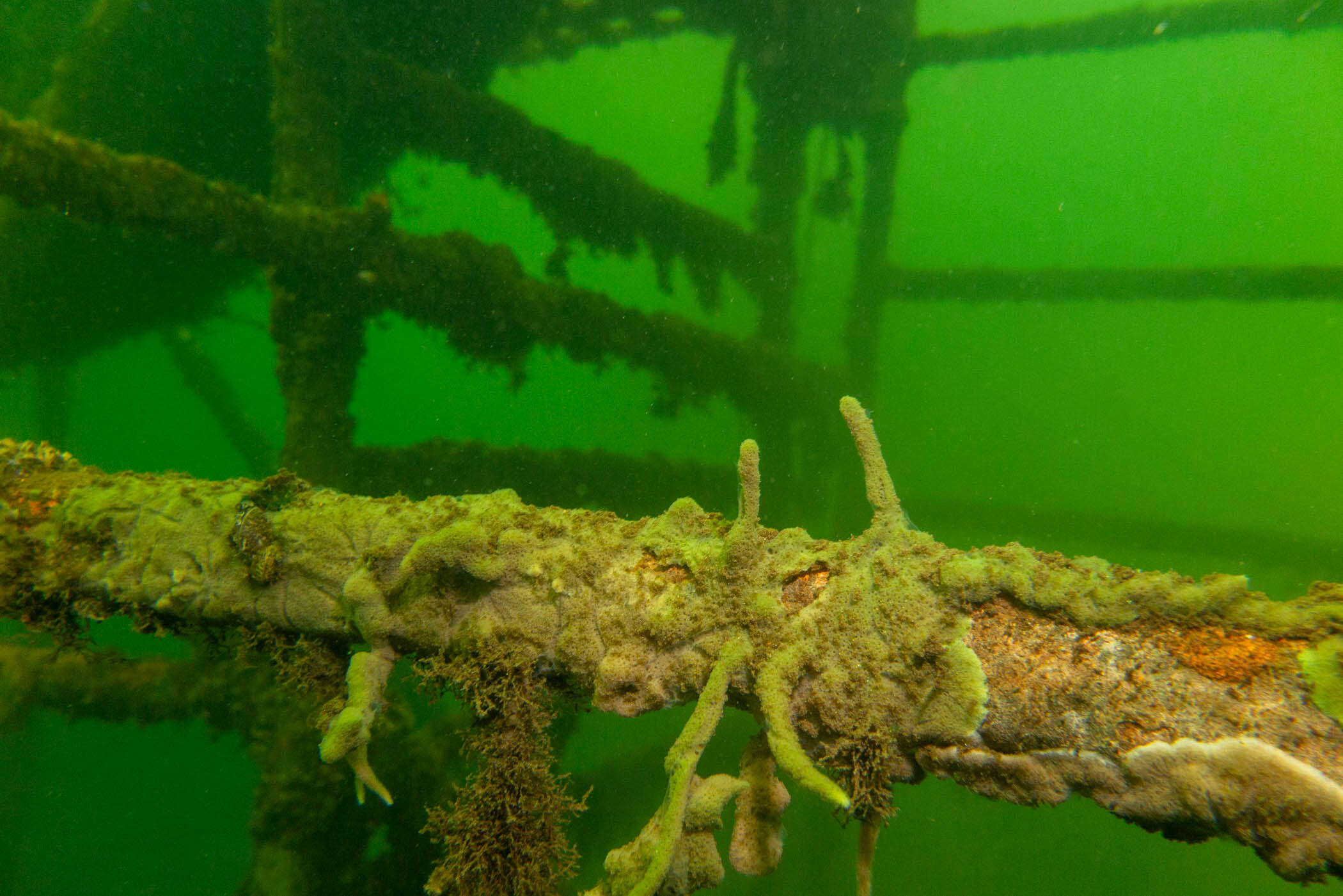
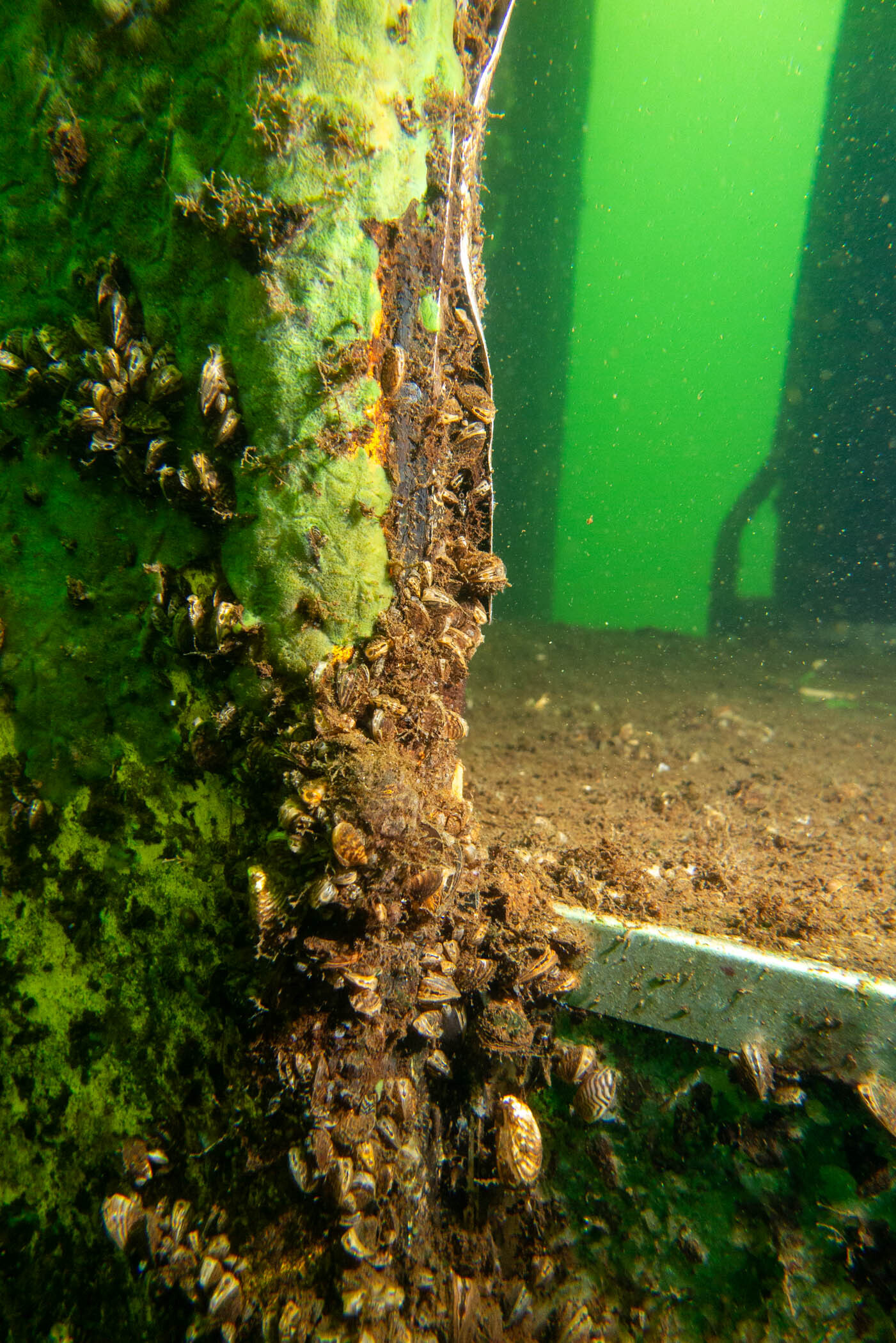
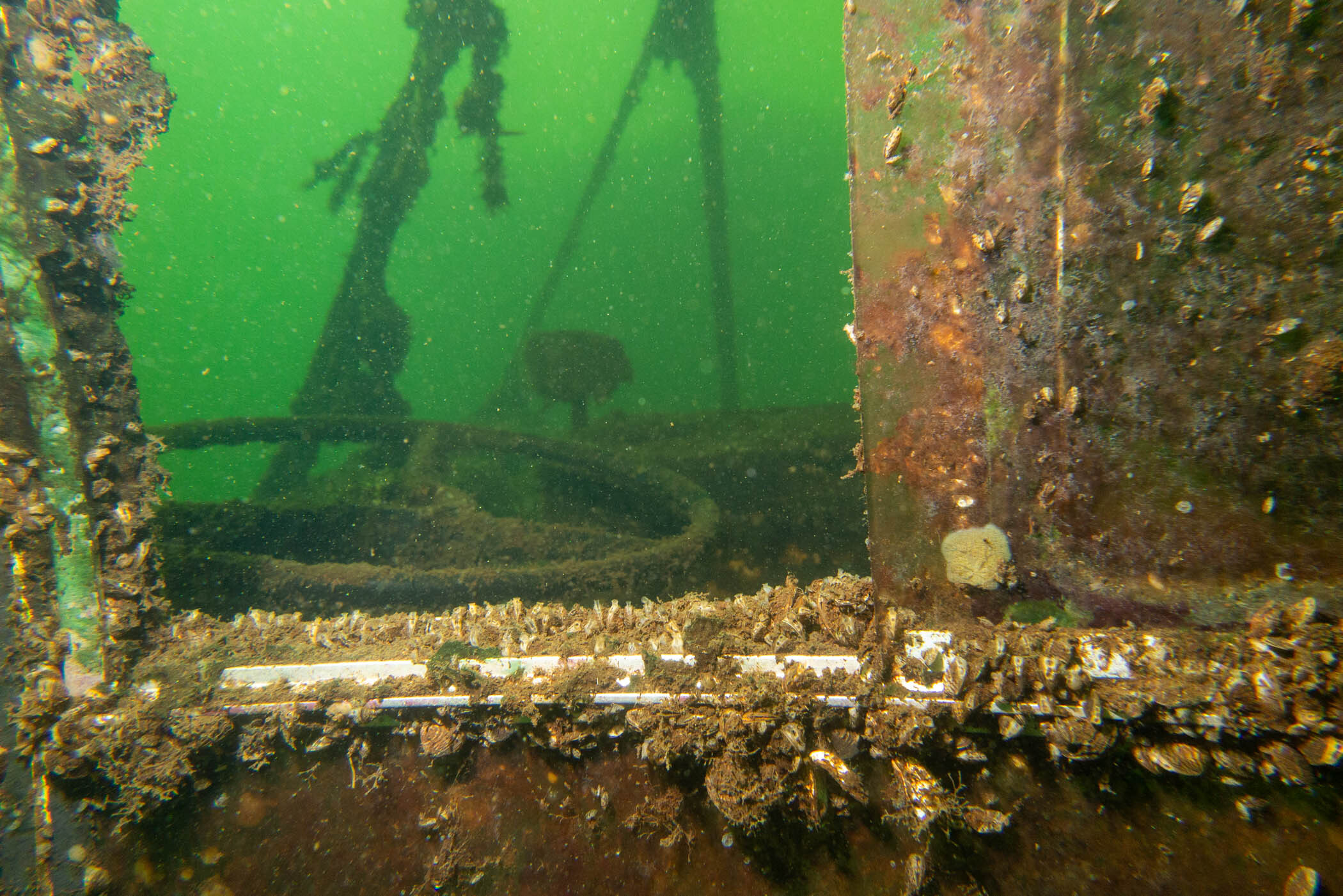
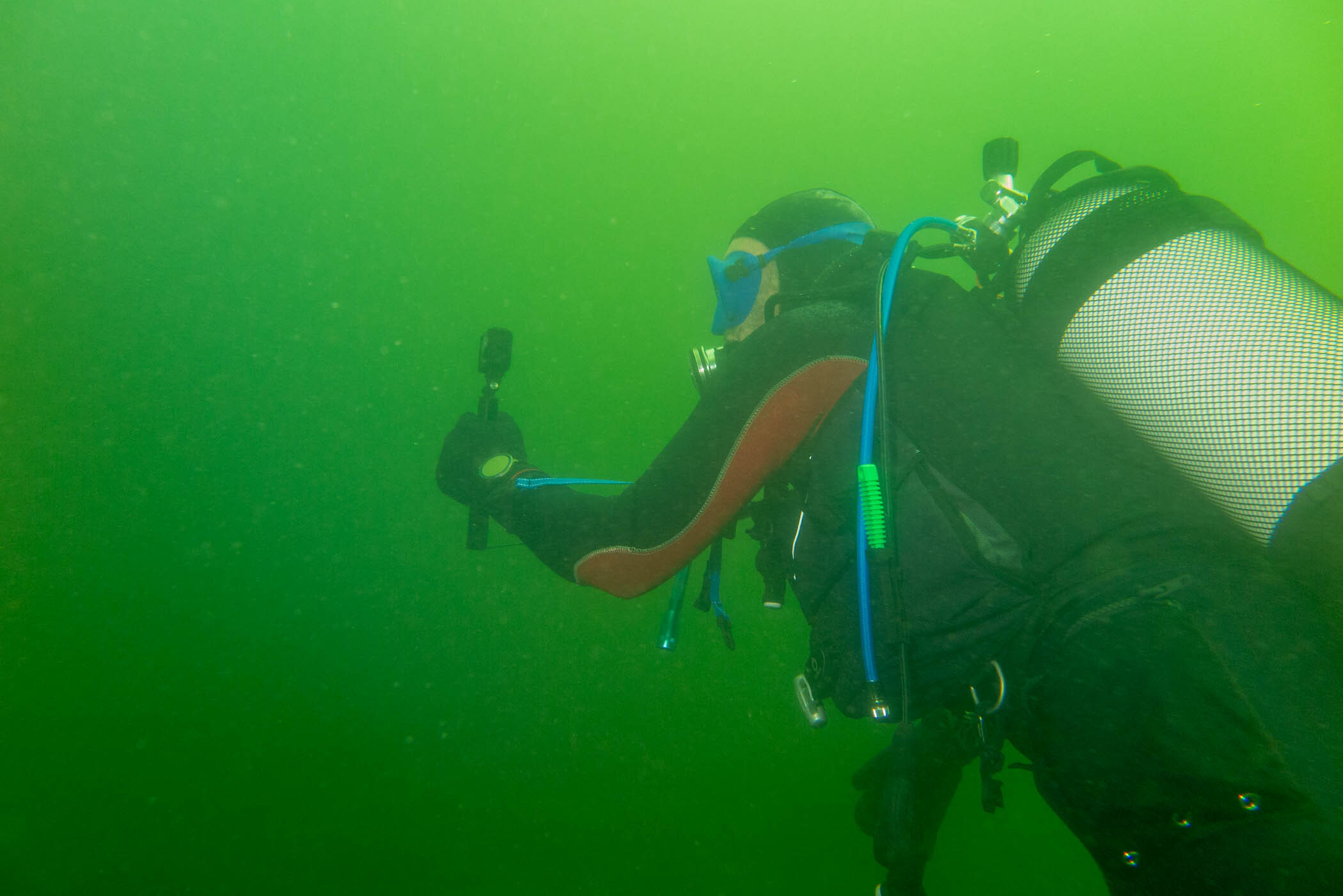
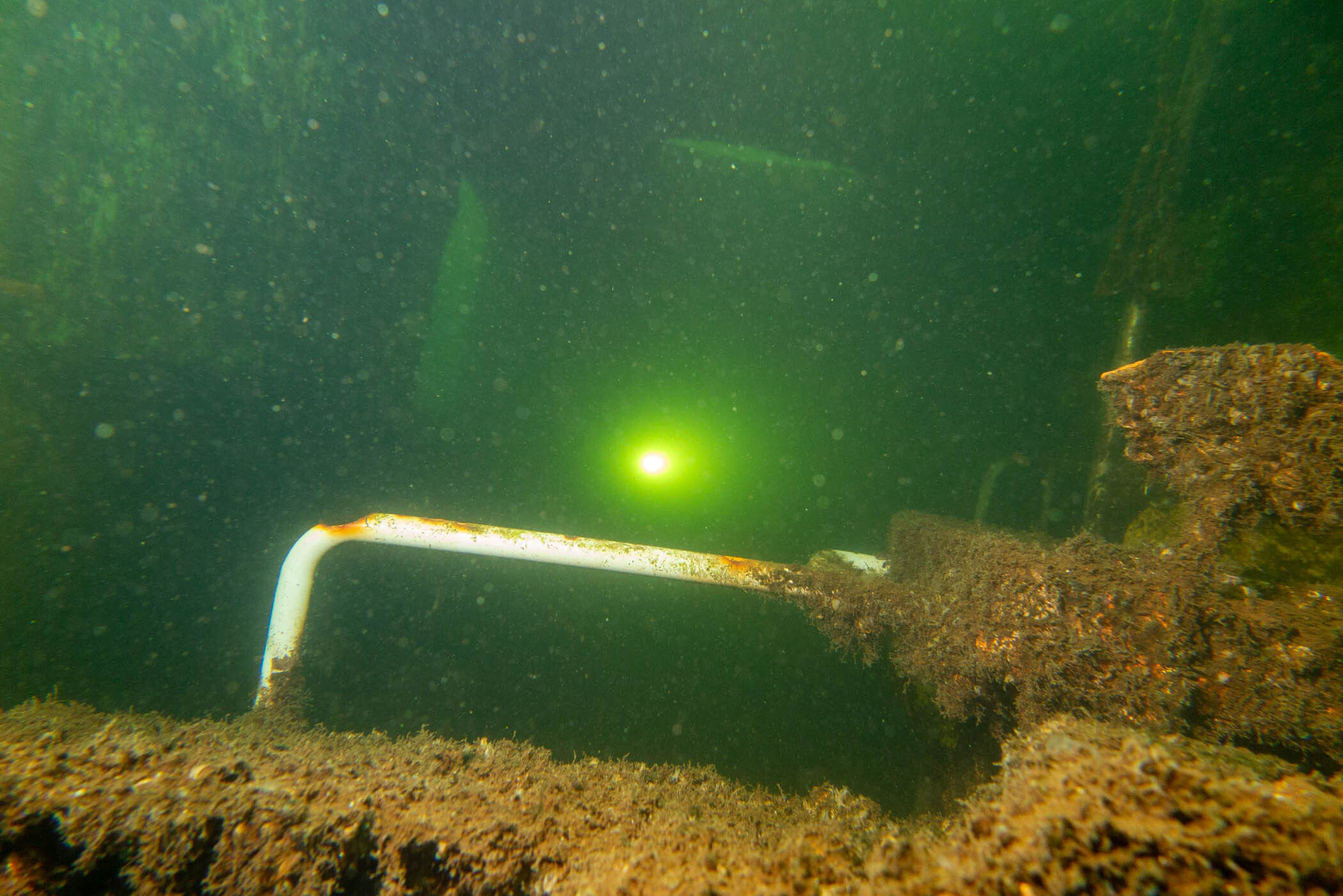
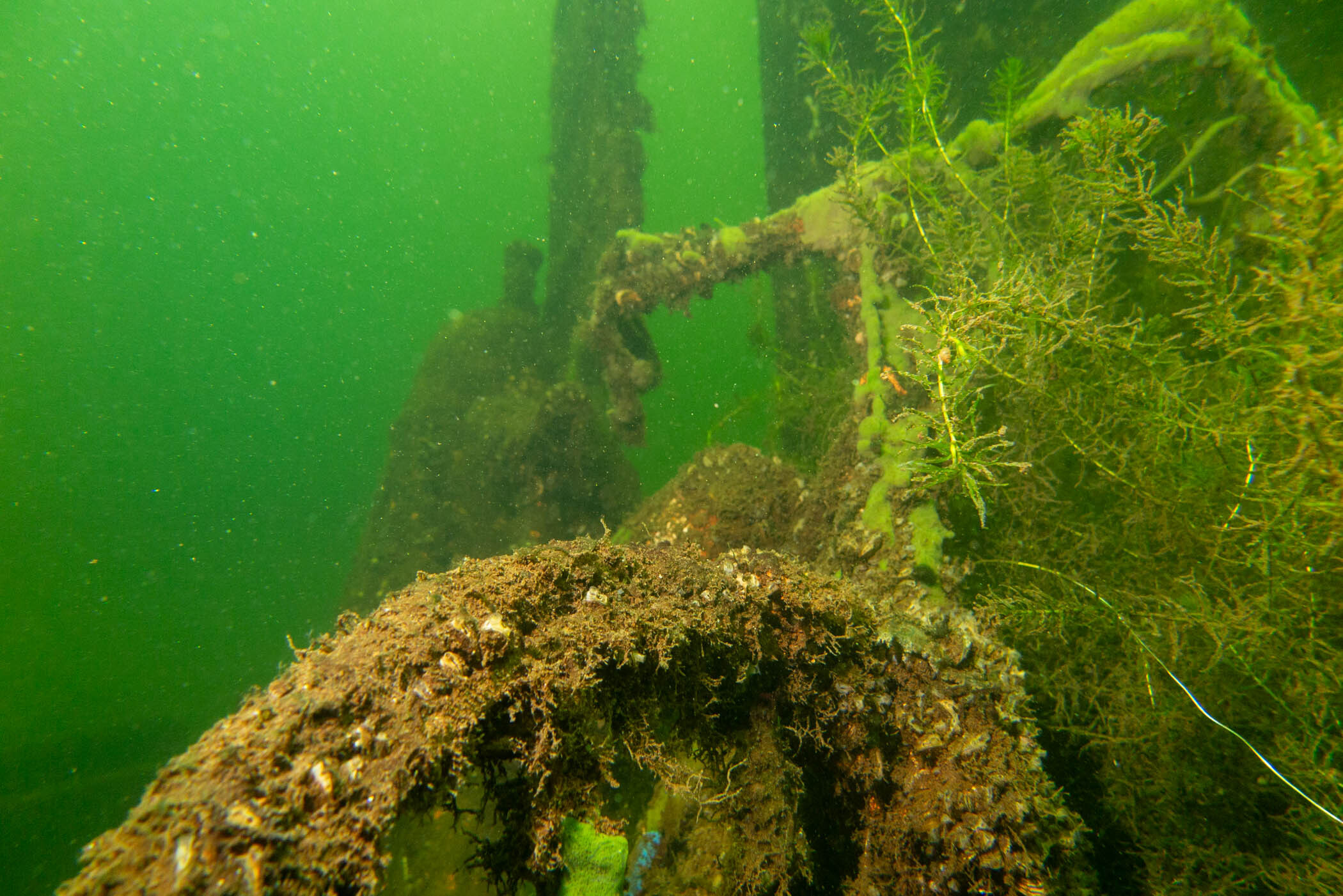
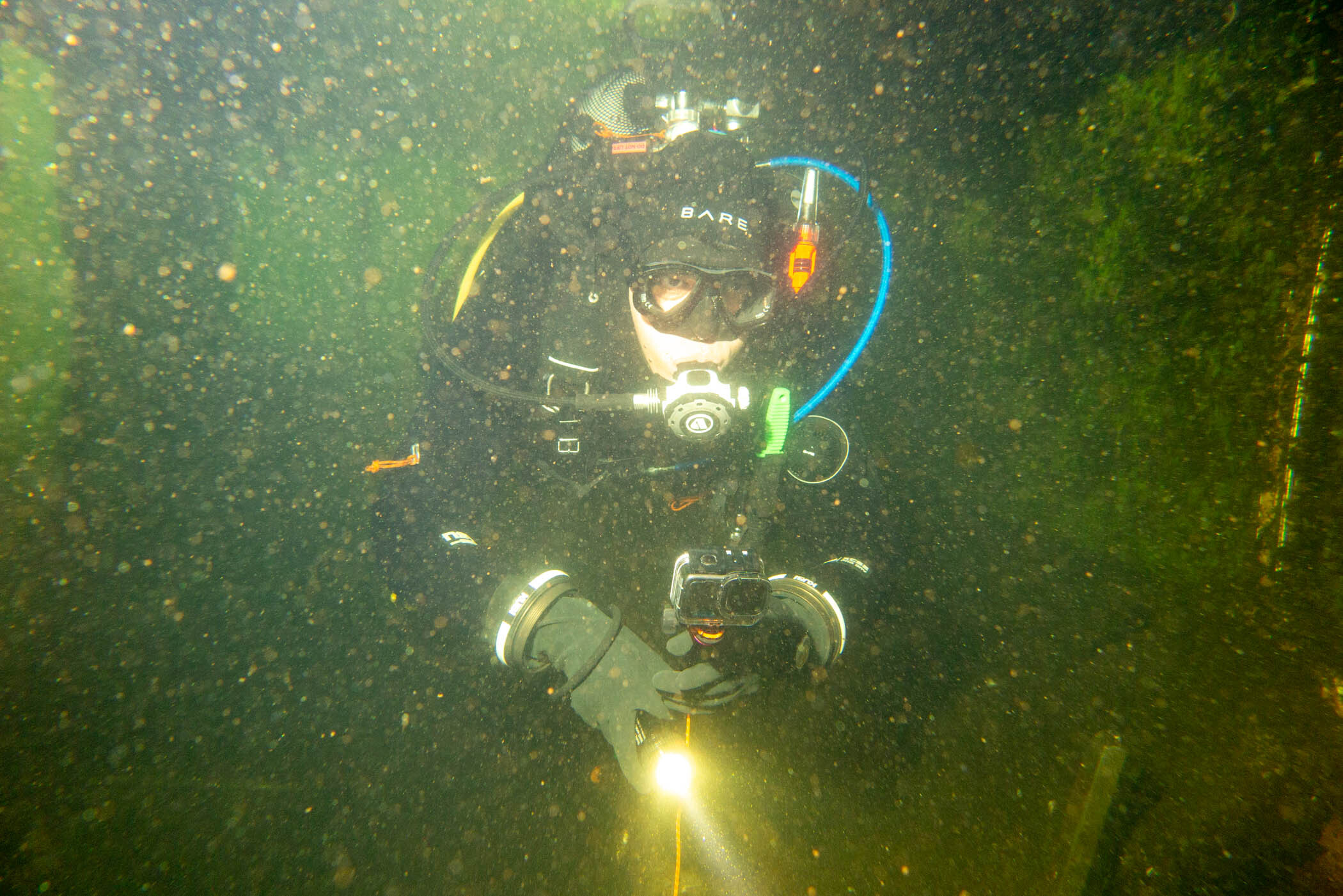
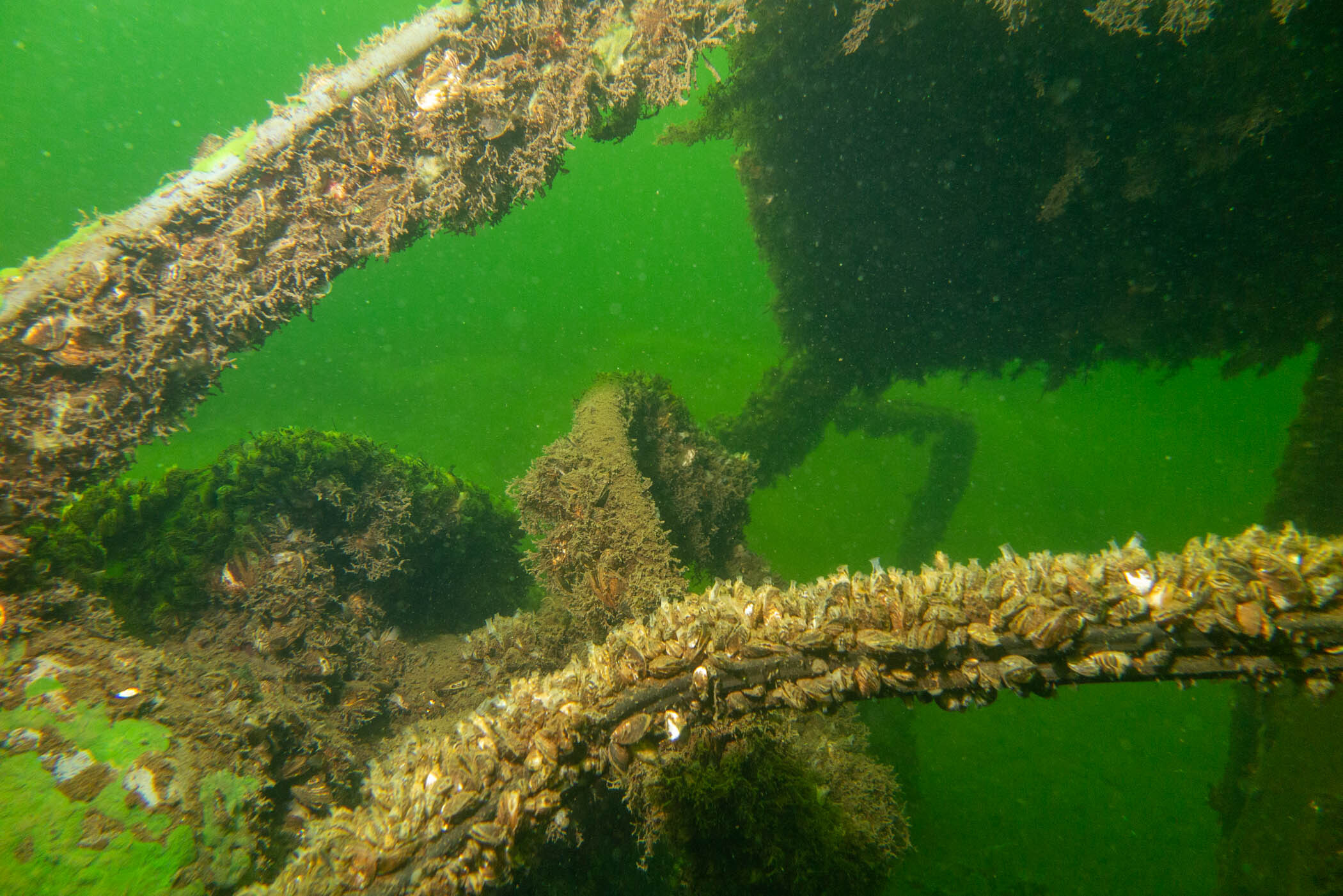
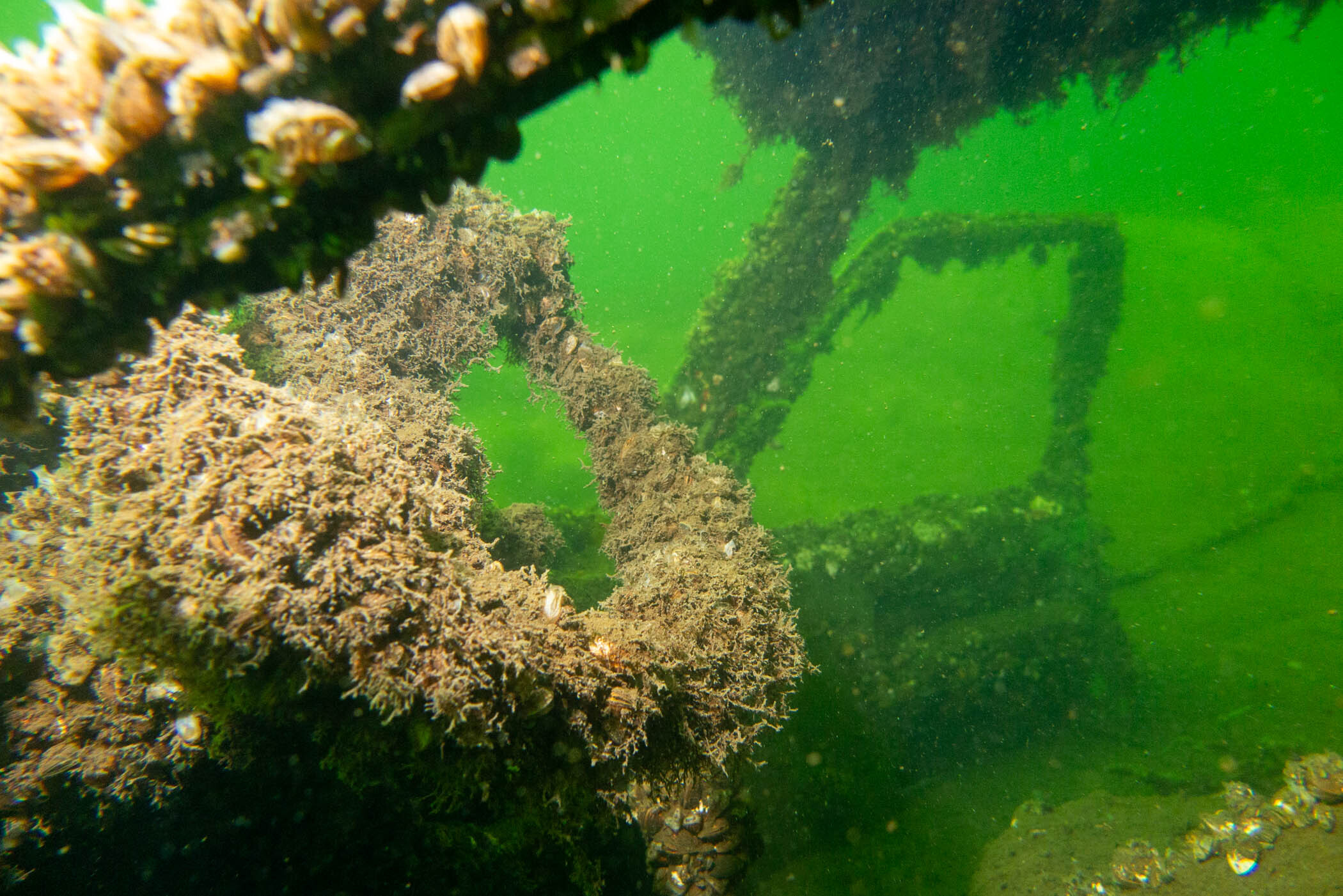


























































































2nd dive friont of Coral Garden CGBR
drop in nearshore just North of resort, swim to depth, very nice corals and seamounts, nice dive
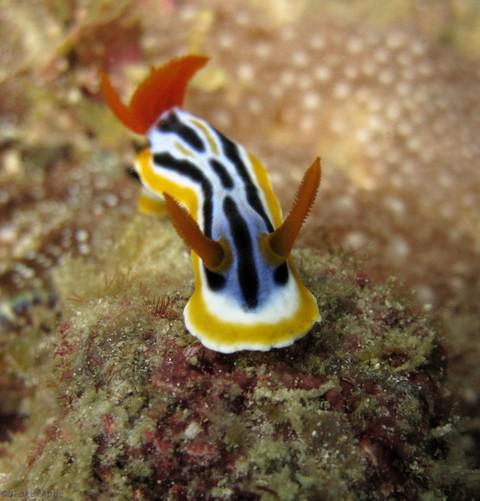
many chromodoris in the open
multilevel