


 Beachnutts



 Filipinas
-
Nº189
 Fecha: 2025-12-07 - 11:20
-
 Profundidad máxima: 23.2m Duración: 78mins
Ubicación de inmersión

- Temp: Surf 26°C Parte inferior 26°C
- Tipo de buceo: Recreo, Arrecife, Foto
- Visibilidad: Buena Agua: Salada
Equipo específico utilizado
- BCD: Scubapro - Glide Plus
- Cámara: Olympus - TG6
- Brújula:
- Ordenador: Oceanic - OCS
- Aletas: Scubapro - Go Rescue
- Cuchillo: Scuba MAx - folding
- Boya elevadora: ScubaMax - SMB
- Foco: Sofirn - SD05
- Mascara: Promate - Scope
- Regulador: SEAC - Synchro
- Traje humedo: Blue Ocean - Diveskin
- Pesos: 3.2 kg
Dive reviews
| Puntuación general | ||
| Dificultad de la inmersión | ||
| Calidad de vida marina |
Buceadores recientes en Samal island, Davao
Fotos recientes en Samal island, Davao
Tienda de buceo & compañeros
 Buceo conReymar Tano
 Compañeros de inmersión
Blake Auge,
Maeng,
Reymar Tano,
Ipe Alino,
Beachnutts

Enlace a este sitio:
- Lugar:
- País:
- Zona:
- Zona acuática:
Perfil de la inmersión
- 1. Air
- 10L Aluminium 207 → 21 bar
- Profundidad media: 15.4m
Datos proporcionados por EOL.org


Especies identificadas
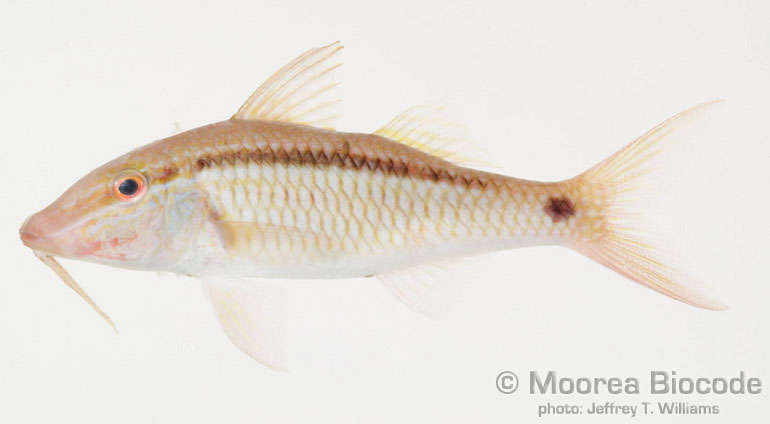
Parupeneus barberinus (Lacepède, 1801) (Dash-and-dot goatfish)
One of the most abundant species of Parupeneus . Inhabits large sand patches as well as sand and rubble areas of reef flats, and lagoon and seaward reefs to a depth of about 100 m. Forages on sand-dwelling invertebrates l...
Leer más
Leer más
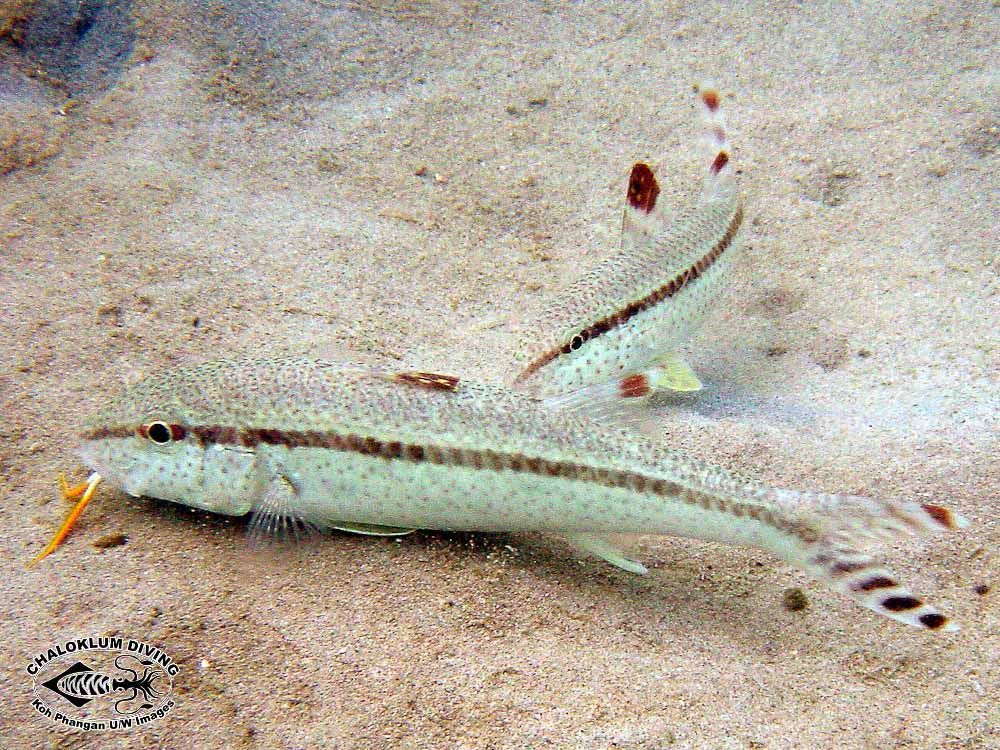
Upeneus tragula Richardson, 1846 (Freckled goatfish)
Found over sand and mud bottoms near coral reefs . Known to enter lower reaches of rivers. Generally solitary , but forms small to moderately large aggregations at all sizes . Minimum depth from Ref. 3470.
Centropyge bicolor (Bloch, 1787) (Bicolor angelfish)
Inhabits lagoon, channel, or protected seaward reef slopes, drop offs, coral and rubble areas . Usually in pairs or in small groups. Feeds on algae, small crustaceans and worms. Darts from one hiding place to the next. Commonly exported through the aquarium trade .
Centropyge eibli Klausewitz, 1963 (Blacktail angelfish)
Inhabits rocky areas of seaward reefs as well as rich coral areas . Feeds on algae; forms harems of 3-7 individuals. Frequently exported through the aquarium trade. Forms hybrids with Centropyge vrolikii in areas where t...
Leer más
Leer más
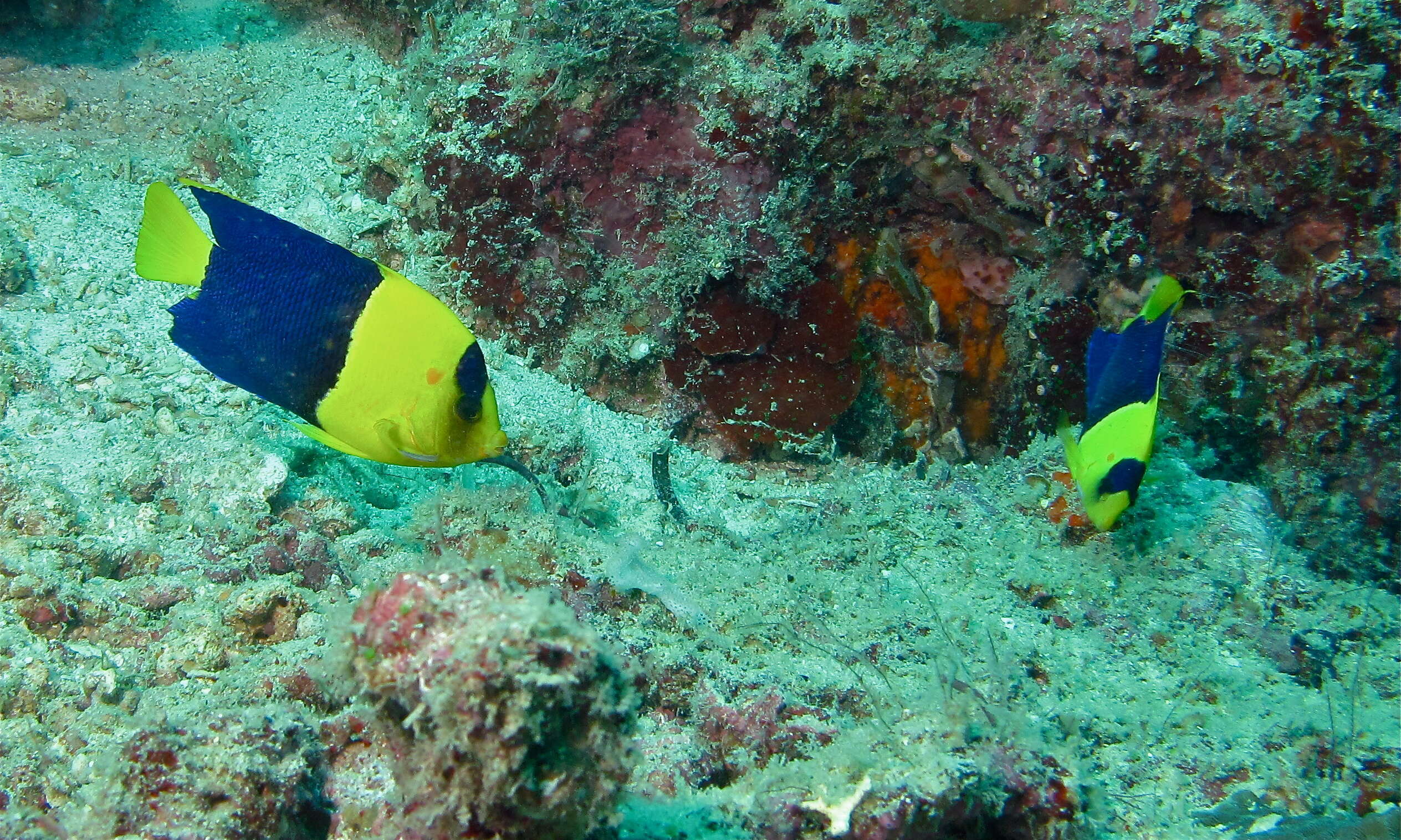
Pygoplites diacanthus (Boddaert, 1772) (Bluebanded angelfish)
Occurs in coral rich areas of lagoon and seaward reefs to a depth of 48 m or more. Often found in the vicinity of caves and feeds on sponges and tunicates. Solitary or in pairs, or in groups. Frequently exported through the aquarium trade . Rarely survives in the aquarium.
Centropyge flavicauda Fraser-Brunner, 1933 (Whitetail angelfish)
Inhabits coral bottoms of channels and over reef slopes . Herbivorous . Occasionally exported through the aquarium trade . Often in small loose groups on inner reefs in low patches of brittle corals and coralline algae mix that is shared by damselfishes and small wrasses .
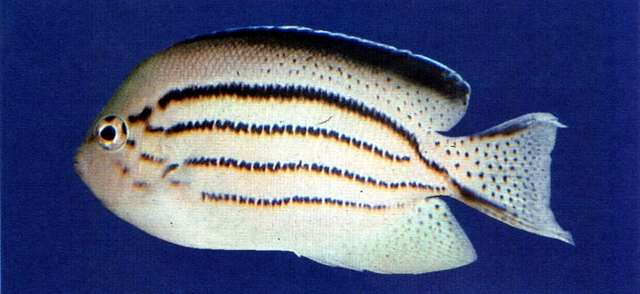
Genicanthus lamarck (Lacepède, 1802) (Blackstriped angelfish)
Inhabit shallow reef crests and deep reefs adjacent to steep slopes. Form aggregations to feed in midwater well above the bottom; harems of 3-7 individuals. Feeds on plankton. Frequently exported through the aquarium trade .
Compartir en redes sociales
- Facebook:

Personaliza tu texto a compartir, así como su destino (muro, página...) o mándalo como un mensaje privado a un amigo
- Twitter: Tweet Personaliza tu tweet
- Google Plus:
Enlace directo a esta inmersión
- Enlace largo:
- Enlace corto:


 Estamos participando en el concurso de startups Techcrunch Disrupt. Apoya Diveboard votando por nosotros!


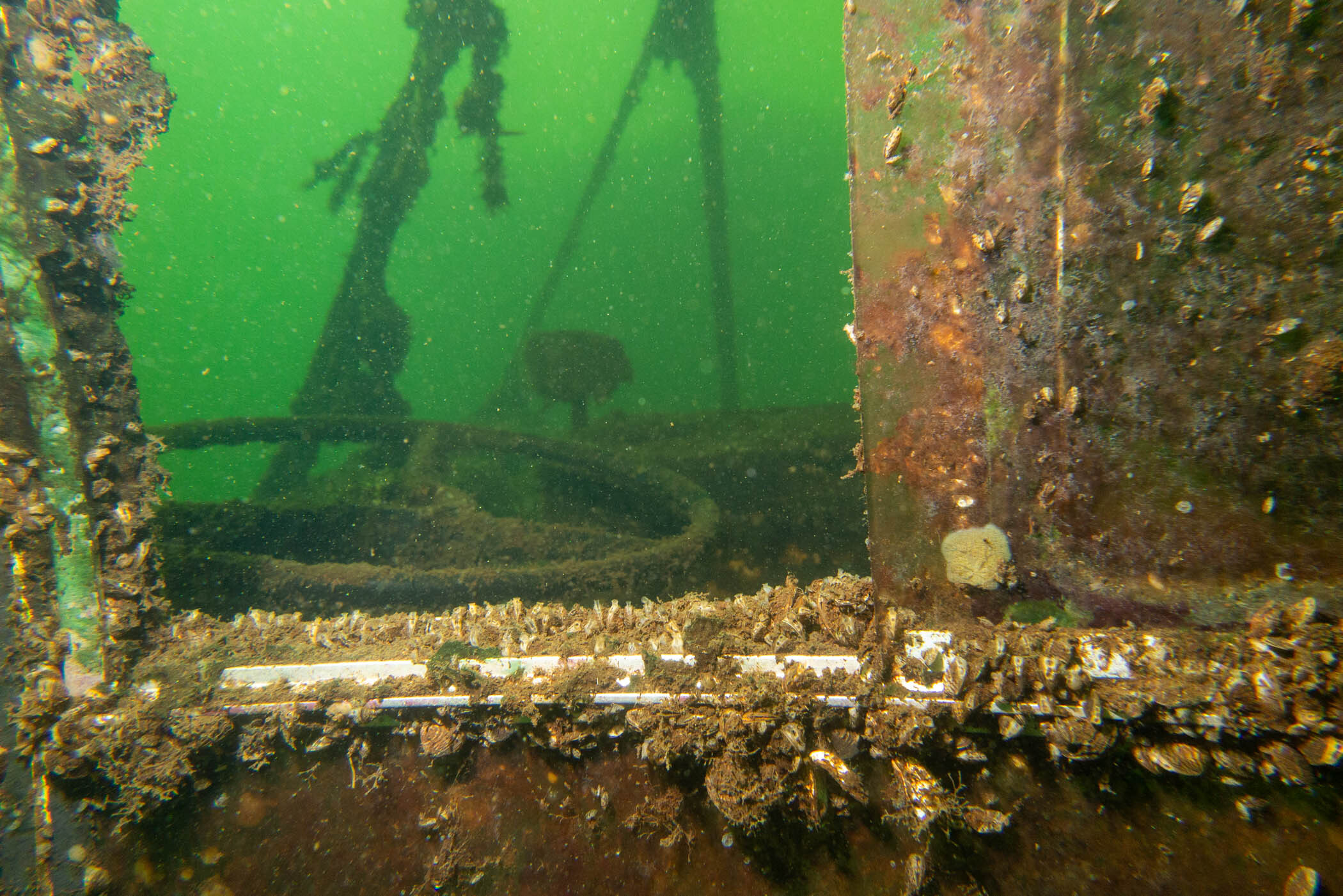
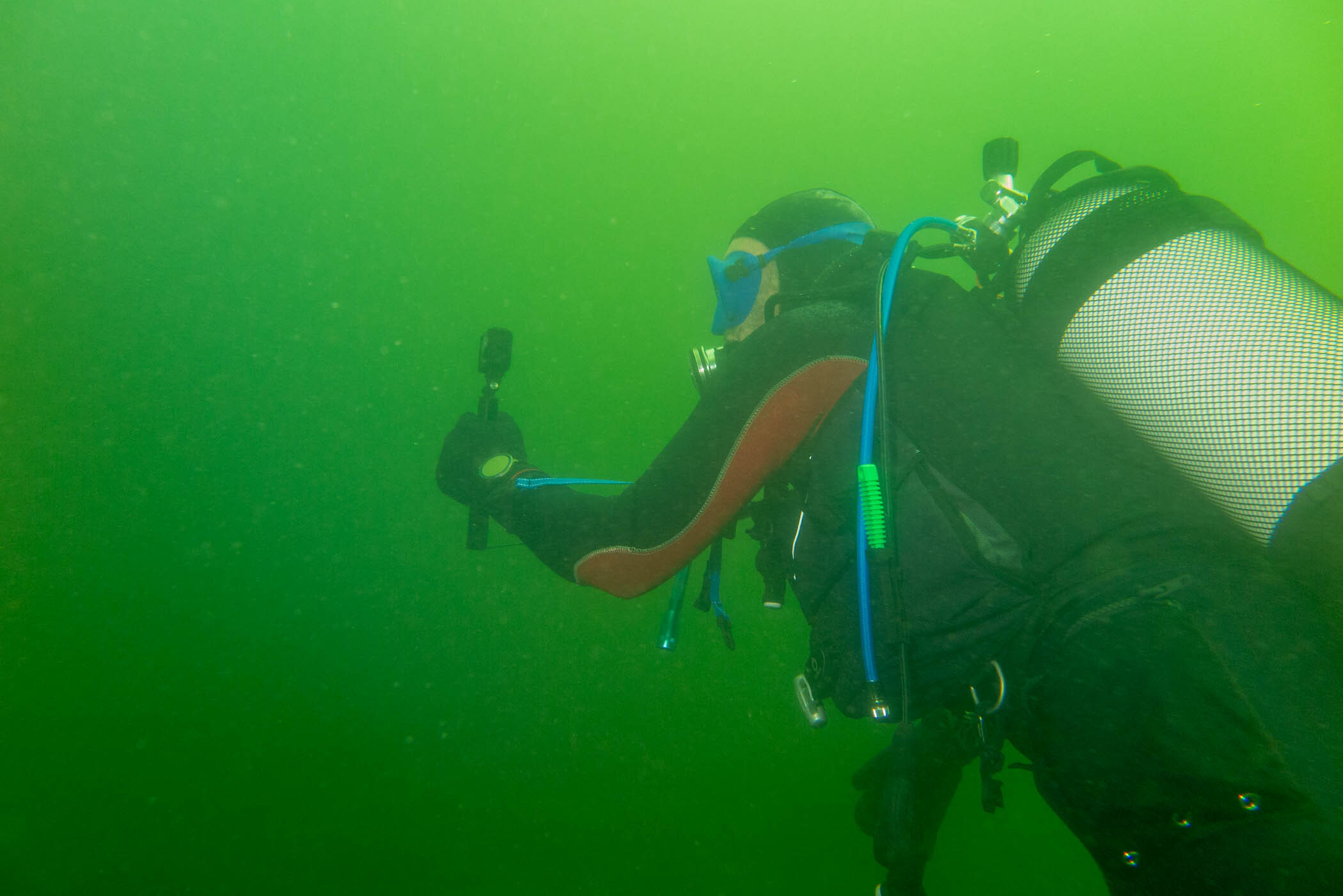
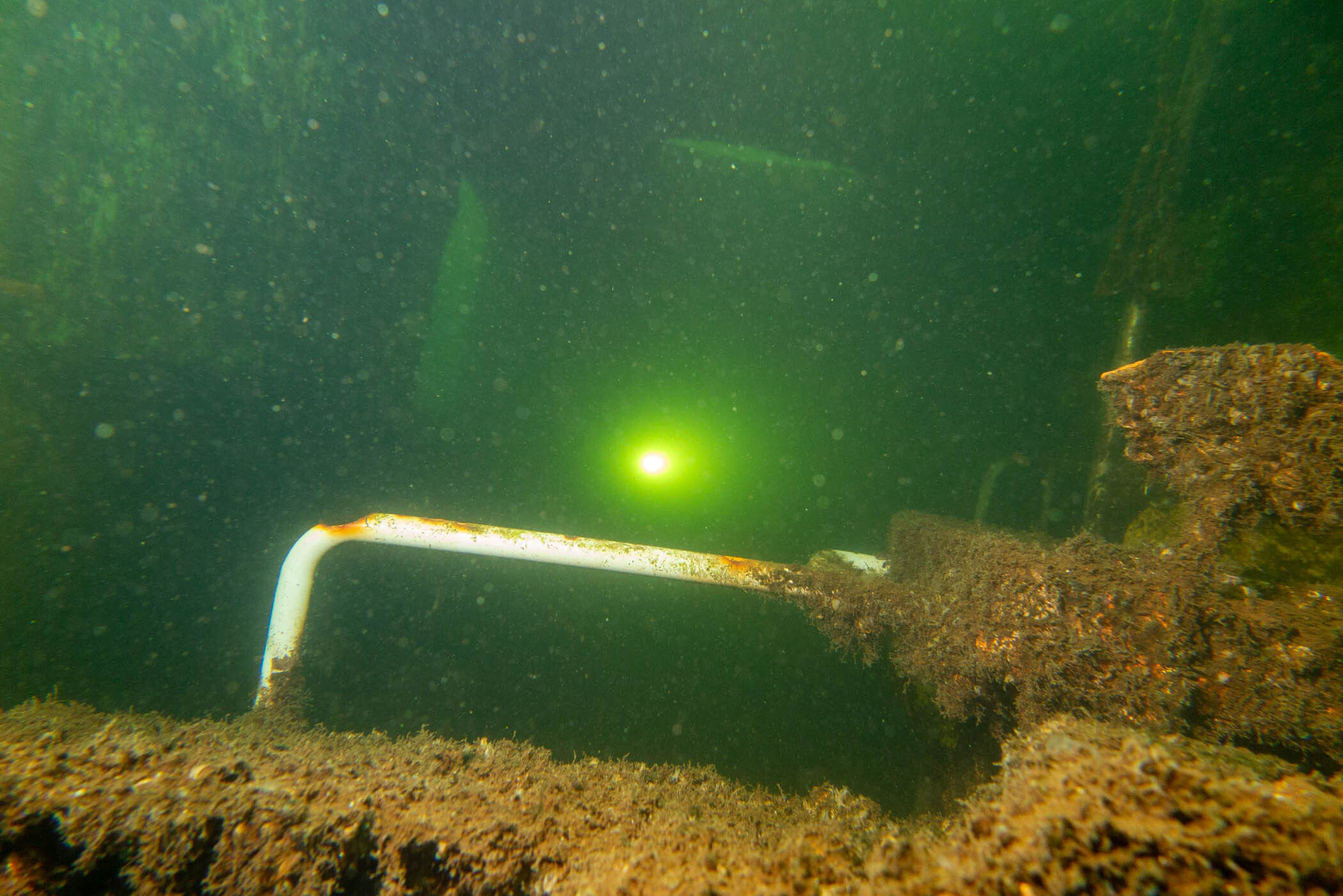
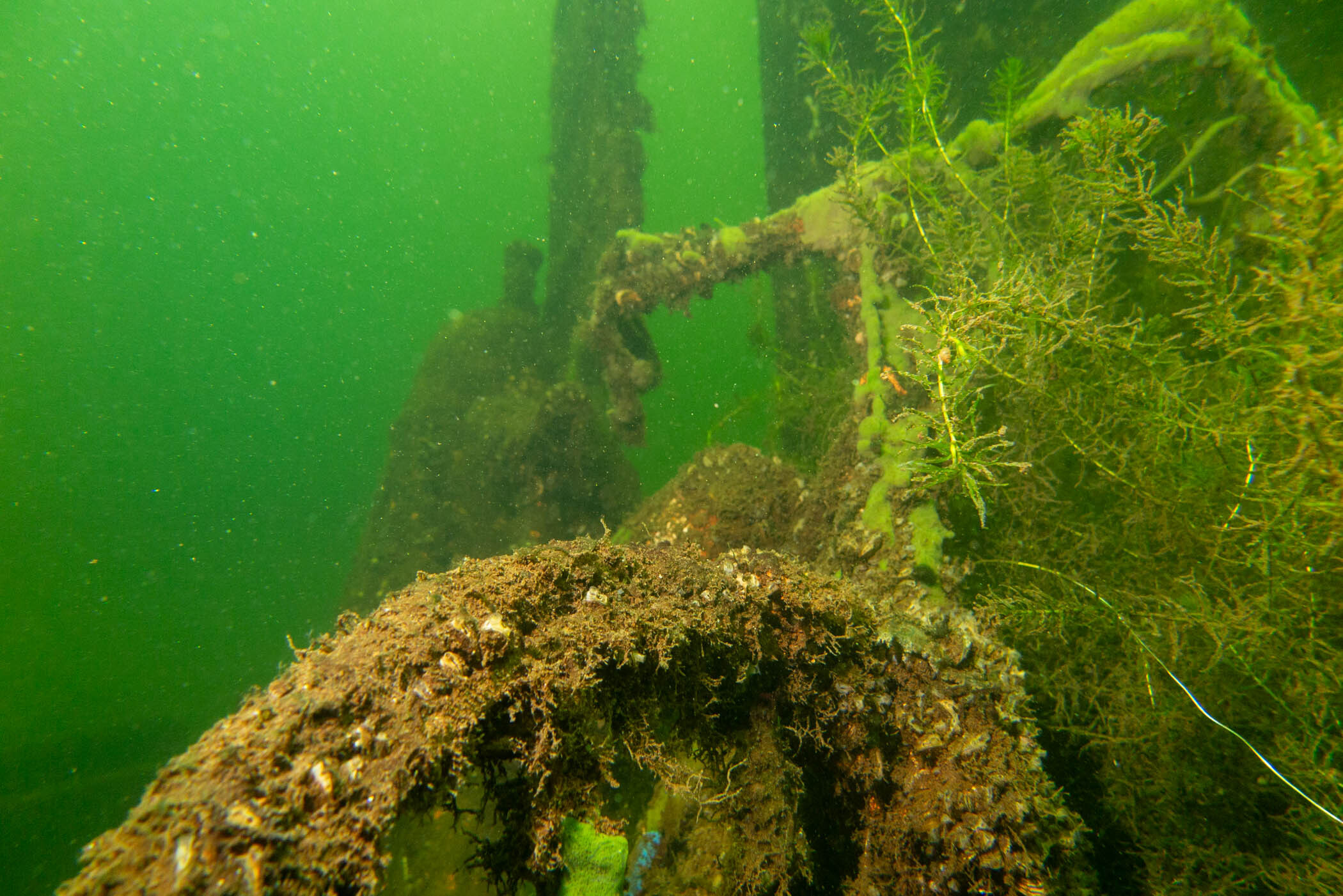

























































































1st dive 2 tanker aboard FHY
long trip to East side Samal
Mushroom and White Rock dive sites
White Rock first nice and clear good dive
multilevel, some solo