


 Beachnutts


 Filipinas
-
Nº155
 Fecha: 2024-11-17 - 10:29
-
 Profundidad máxima: 25m Duración: 87mins
Ubicación de inmersión

- Temp: Surf 28°C Parte inferior 28°C
- Tipo de buceo: Recreo, Arrecife, Foto
- Visibilidad: Buena Agua: Salada
Equipo específico utilizado
- BCD: Scubapro - Glide Plus
- Botas: Orca - Dive shoes
- Cámara: Olympus - TG6
- Ordenador: Oceanic - OCS
- Aletas: Scubapro - Jet Fins
- Boya elevadora: ScubaMax - SMB
- Foco: Sofirn - SD05
- Mascara: Promate - Scope
- Regulador: SEAC - Synchro
- Pesos: 3.2 kg
Dive reviews
| Puntuación general | ||
| Dificultad de la inmersión | ||
| Calidad de vida marina |
Buceadores recientes en Talikud Island, Davao

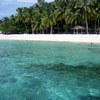
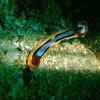
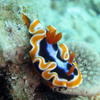
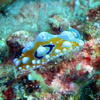
Fotos recientes en Talikud Island, Davao
Tienda de buceo & compañeros
 Buceo conPitan
 Compañeros de inmersión
Reymar Tano,
Maeng,
Beachnutts
Compañeros de inmersión
Reymar Tano,
Maeng,
Beachnutts

Enlace a este sitio:
- Lugar:
- País:
- Zona:
- Zona acuática:
Perfil de la inmersión
- 1. Air
- 10L Aluminium 207 → 28 bar
- Profundidad media: 16.7m
Datos proporcionados por EOL.org







Especies identificadas
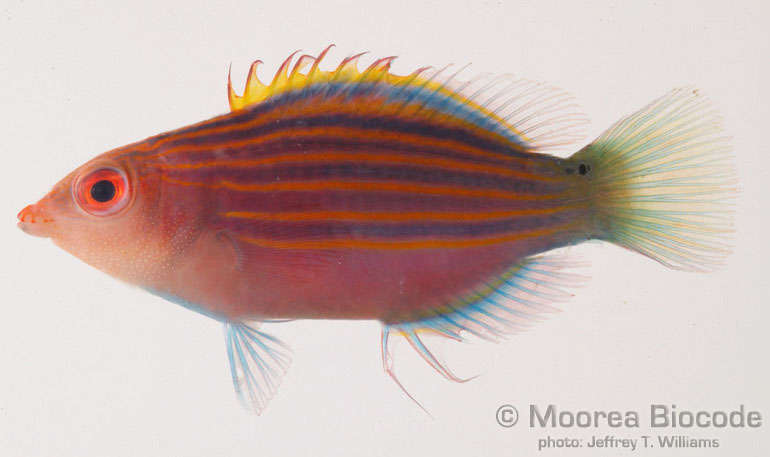
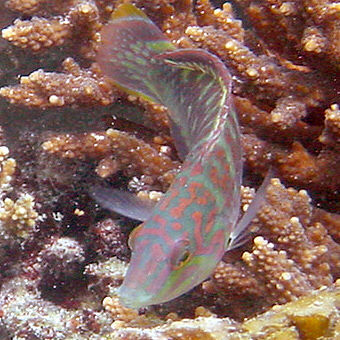
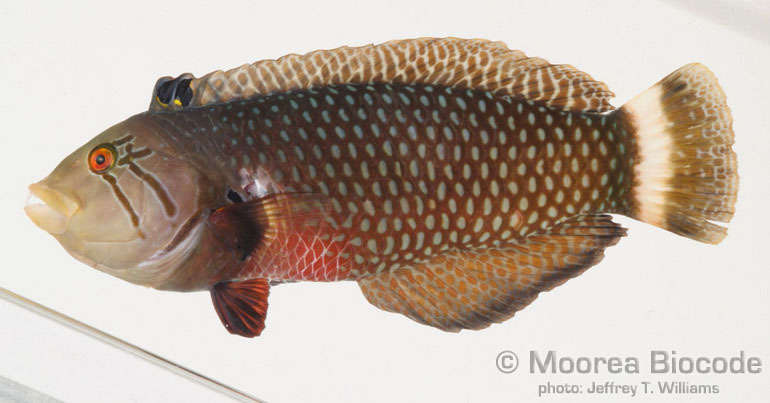
Pseudocheilinus hexataenia (Bleeker, 1857) (Pyjama)
Occurs in seaward reefs among coral branches. Also in clear coastal waters, dense coral habitats on shallow reef crest or slopes to depth of about 20 m. Usually occurs in small loose groups. A shy species, usually swimmi...
Leer más
Leer más
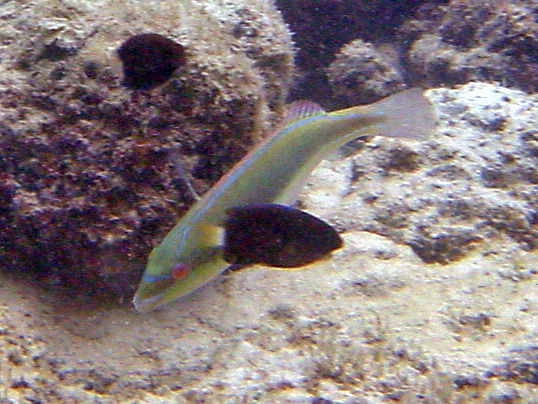
Thalassoma lunare (Linnaeus, 1758) (Blue wrasse)
Occurs in the upper portions of lagoon and coastal reefs, and in protected seaward reefs . Enters estuaries . Usually found on upper portions of ledges and heads . Feeds mainly on small benthic invertebrates and fish eggs . A protogynous hermaphrodite .
Labroides dimidiatus (Valenciennes, 1839) (Bluestreak cleaner wrasse)
Inhabits coral rich areas of inner lagoons and subtidal reef flats to seaward reefs . Feeds on crustacean ectoparasites and mucus of other fishes . Monogamous . A protogynous hermaphrodite . Stays in stations where othe...
Leer más
Leer más
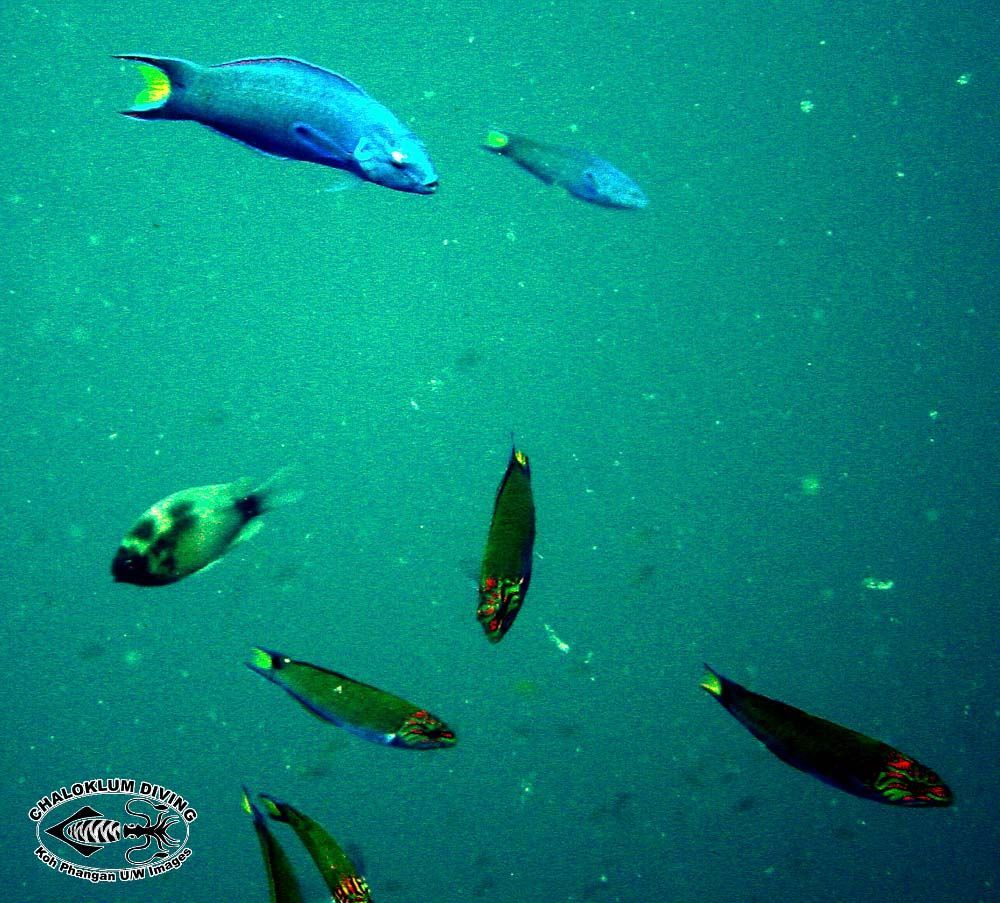
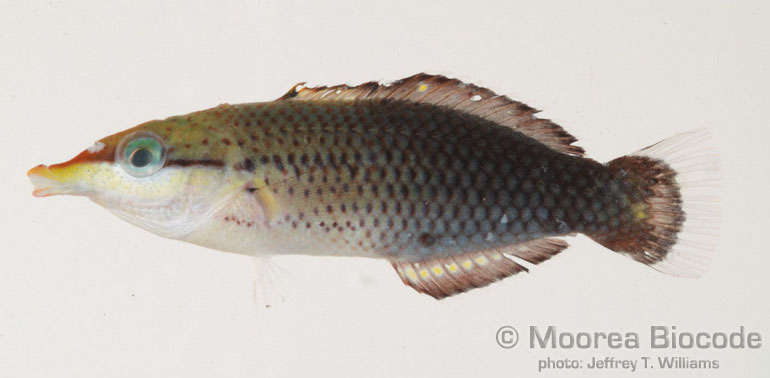
Stethojulis interrupta (Bleeker, 1851) (One-line rainbowfish)
Coastal to outer reef crests. In Japan, it is found in areas of mixed sand, rock and coral . Occurs in small groups to about 20 m depth . Feeds by sorting small animals from mouthfuls of sand and detritus.
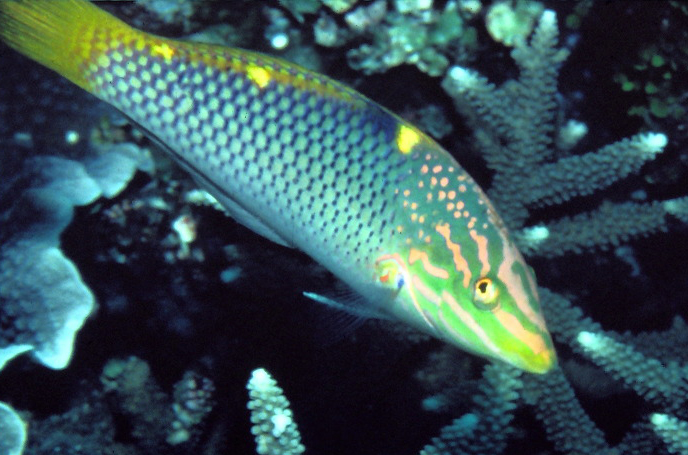
Halichoeres hortulanus (Lacepède, 1801) (Checkerboard wrasse)
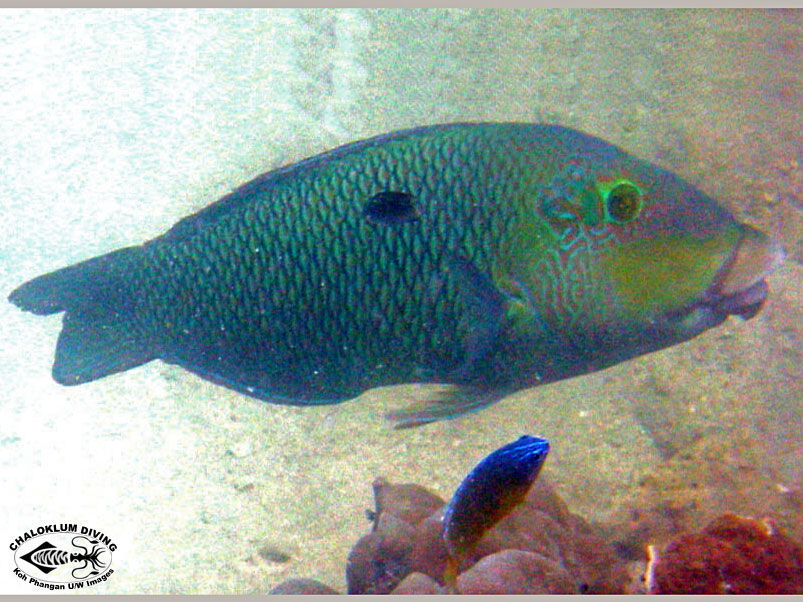
Bodianus mesothorax (Bloch and Schneider, 1801) (Splitlevel hogfish)
Ranging into subtropical zones as juveniles expatriates caused by warm currents during pelagic stage . Inhabit coral-rich outer reef slopes at depths of 5 to over 20 m, particularly near caves. Juveniles in caves; adults ...
Leer más
Leer más
Cheilinus fasciatus (Bloch, 1791) (Redbreast wrasse)
Inhabit lagoon and seaward reefs, usually in areas with mixed coral, sand, and rubble . Feed mainly on benthic, hard-shelled invertebrates, including mollusks, crustaceans and sea urchins . Young common on silty reefs, usually along edges with algae-rubble and sand .
Gomphosus varius Lacepède, 1801 (Bird wrasse)
Found in coral-rich areas of lagoon and seaward reefs to a depth of at least 30 m . Benthopelagic . Feeds mainly on small benthic crustaceans, sometimes on small fishes, brittle stars, and mollusks .
Halichoeres prosopeion (Bleeker, 1853) (Twotone wrasse)
Inhabits lagoon and seaward reefs, in coral-rich areas . Also found along drop-offs on the bottom of large caves. Usually seen solitary .
Halichoeres margaritaceus (Valenciennes, 1839) (Pink-belly wrasse)
Inhabits shallow reefs and rocky shores, usually in weedy areas exposed to surge . Feeds on benthic crustaceans, mollusks, polychaetes, forams, fishes, and fish eggs . One of several similar species that have near identical juvenile and female stages .
Hemigymnus melapterus (Bloch, 1791) (Blackeye thicklip)
Found in subtidal reef flats and lagoon and seaward reefs. Juveniles occur inshore, found among branching corals while adults found in areas of mixed sand, rubble, and coral . Large adults in deeper water . Feeds mainly ...
Leer más
Leer más
Novaculichthys taeniourus (Lacepède, 1801) (Rockmover wrasse)
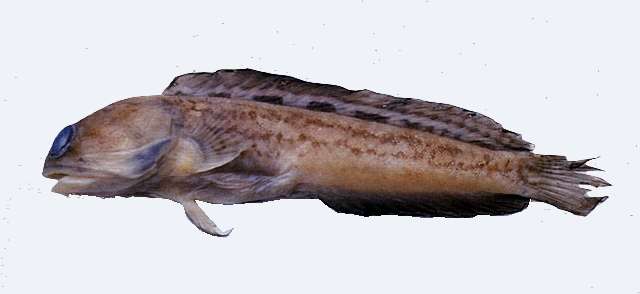
Opistognathus castelnaui Bleeker, 1860 (Blue-spotted jawfish)
Inhabits open sand and rubble substrates in about 20-25 meters . May be found in depths greater than 100 m . Mouthbrooders .
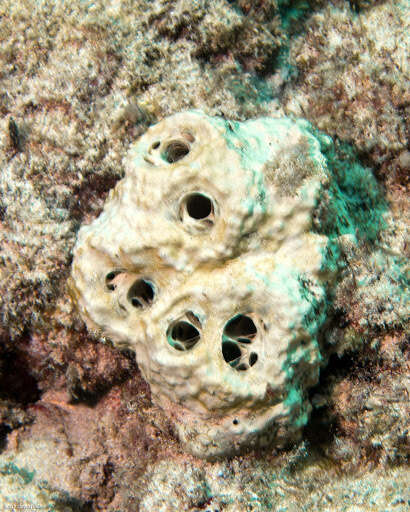
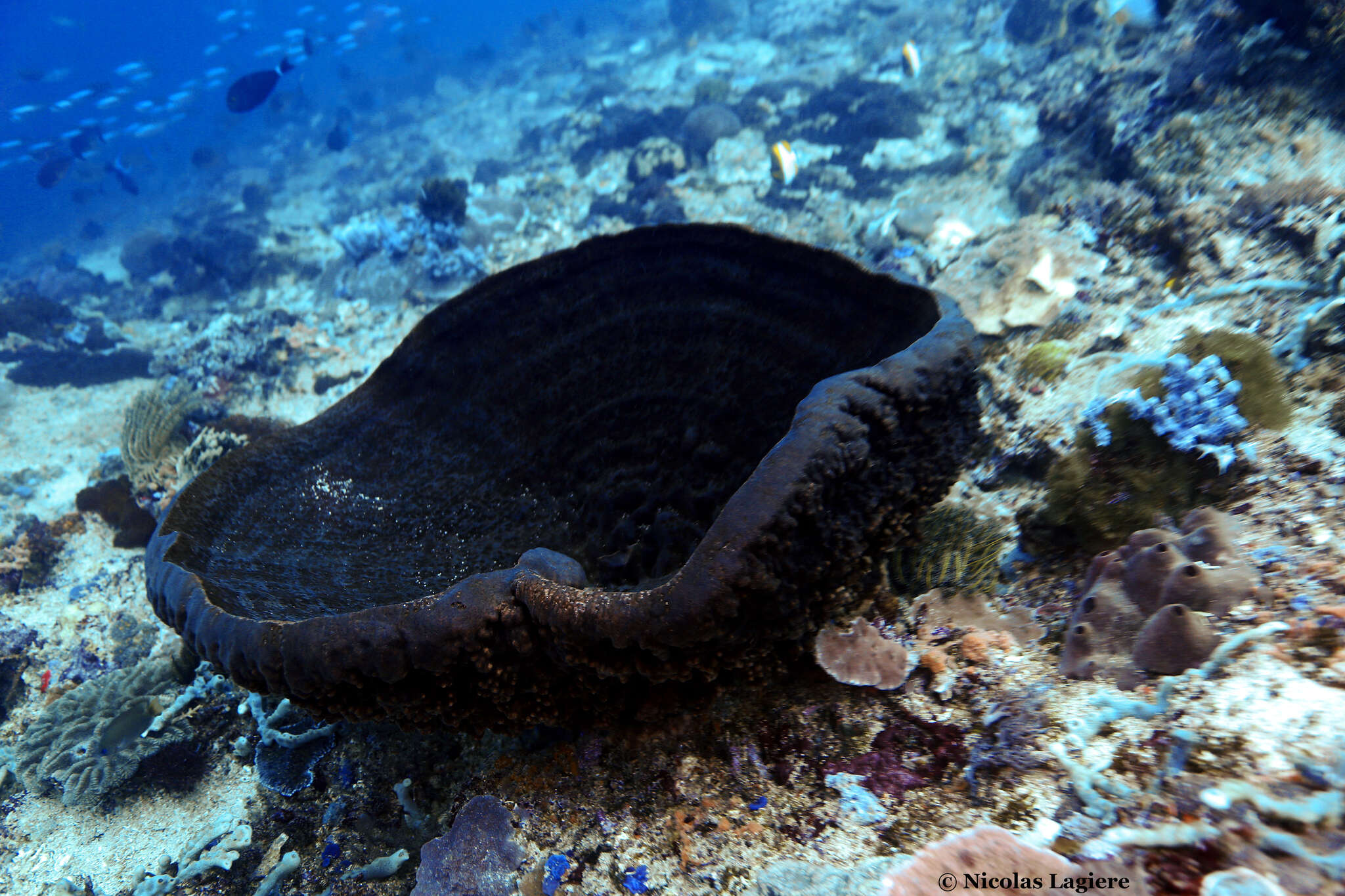
Stylissa massa (Carter, 1887)
Liosina paradoxa Thiele, 1899
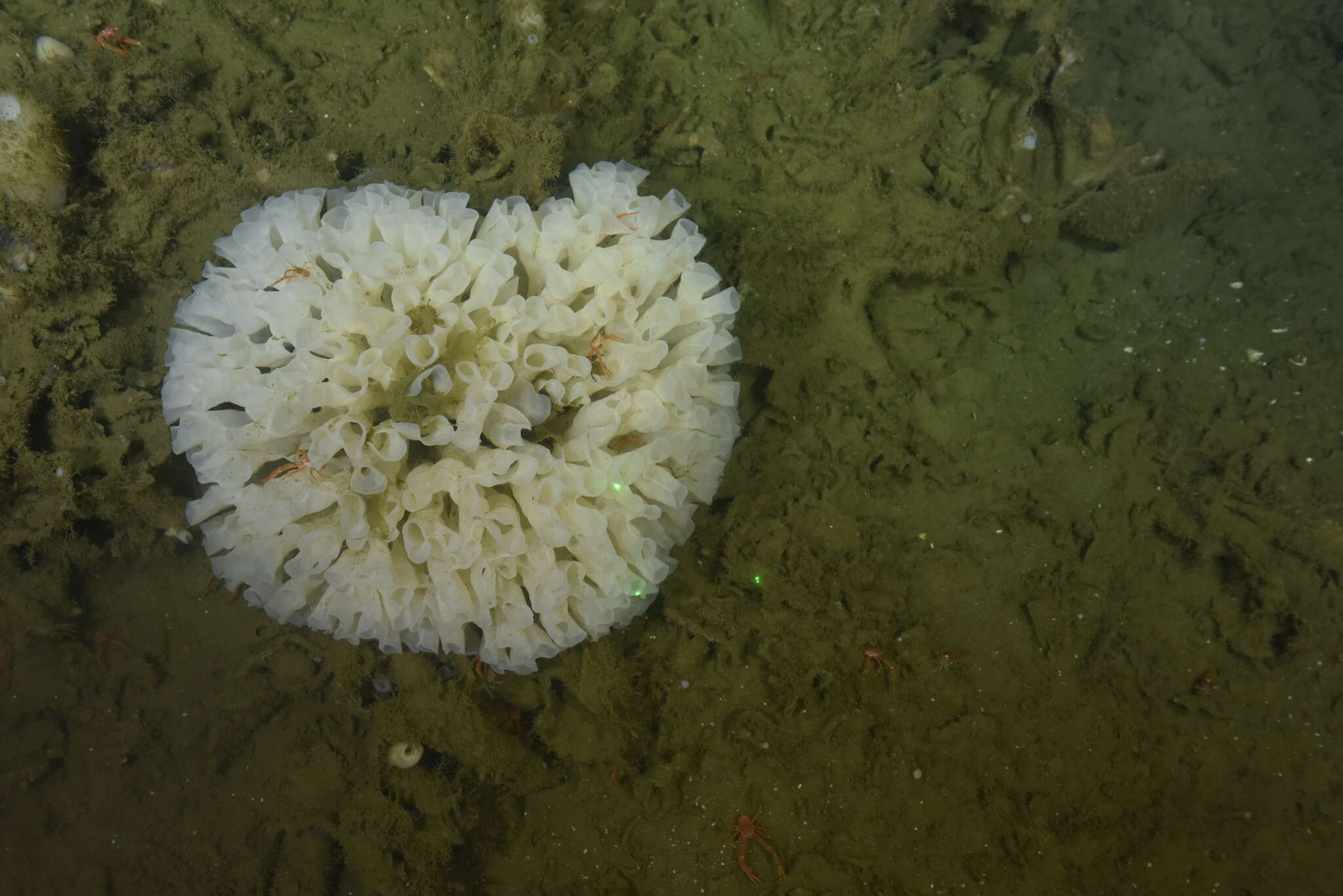
Farrea occa (Bowerbank, 1862)
Petrosia lignosa Wilson, 1925
Carteriospongia foliascens (Pallas 1766)
Axinyssa valida (Thiele, 1899)
Agelas mauritiana (Carter, 1883)
Rhabdastrella globostellata (Carter, 1883)
Psammastra conulosa Kieschnick, 1896
Hyattella intestinalis (Lamarck 1814)
Thenea grayi Sollas, 1886
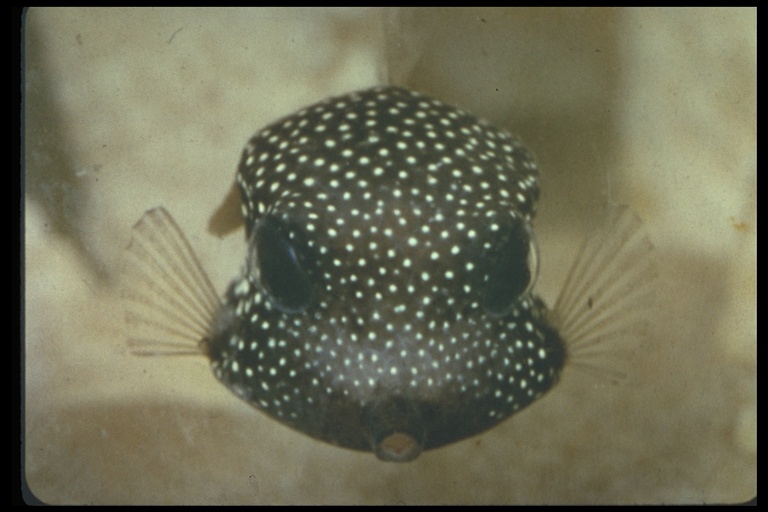
Ostracion meleagris Shaw, 1796 (pahu)
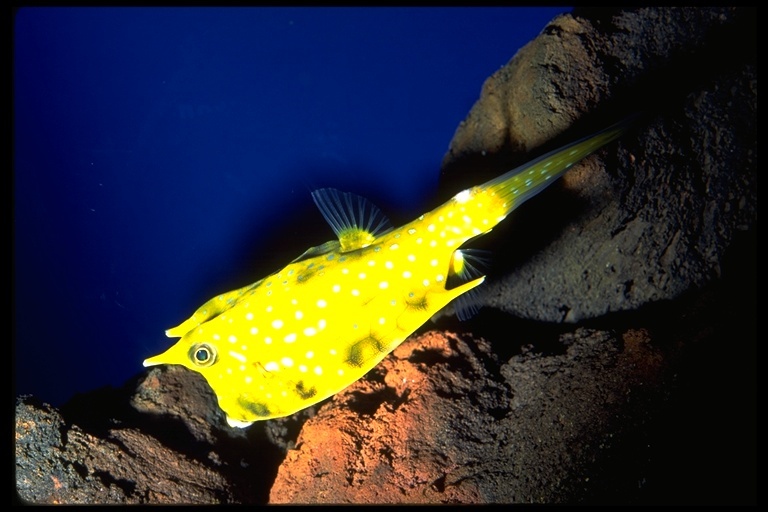
Lactoria cornuta (Linnaeus, 1758) (Longhorn cowfish)
Inhabit inshore on coastal muddy or sandy habitats in still bays, and commonly found in harbours and estuaries. Small juveniles on protected shallow mudflats . Found in weedy areas near rocks or reefs. Juveniles often ne...
Leer más
Leer más
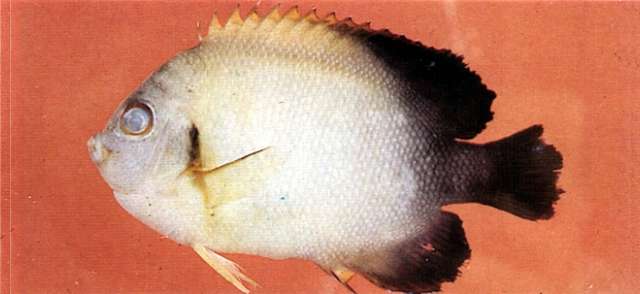
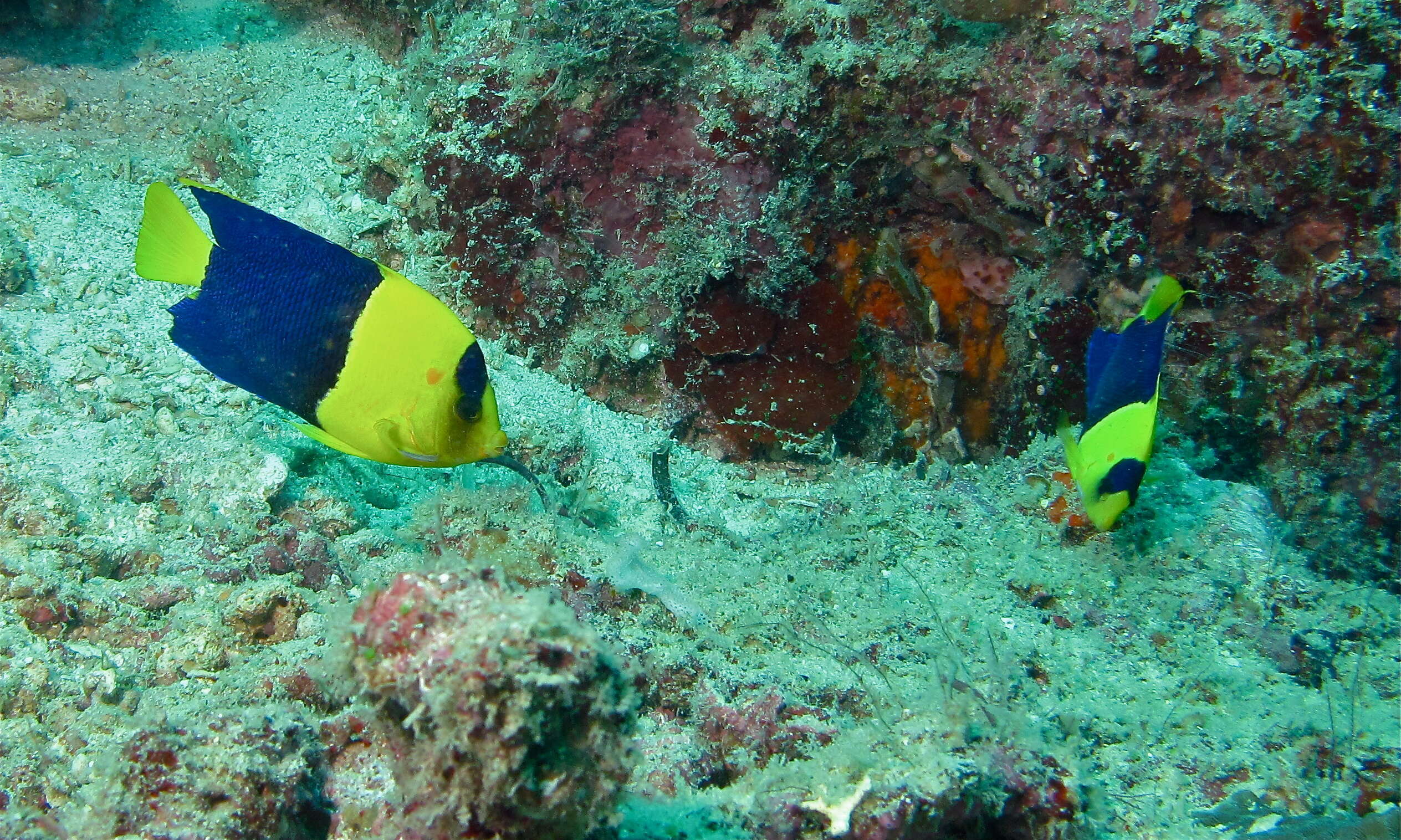
Centropyge vrolikii (Bleeker, 1853) (Pearlscale angelfish)
Inhabit lagoon and seaward reefs, mainly in coral rich areas . Feed on algae. Oviparous , monogamous . Frequently exported through the aquarium trade. Form hybrids with Centropyge eibli and C. flavissima at areas of sympatry. Mimicked by juveniles of the acanthurid Acanthurus pyroferus .
Centropyge bicolor (Bloch, 1787) (Bicolor angelfish)
Inhabits lagoon, channel, or protected seaward reef slopes, drop offs, coral and rubble areas . Usually in pairs or in small groups. Feeds on algae, small crustaceans and worms. Darts from one hiding place to the next. Commonly exported through the aquarium trade .
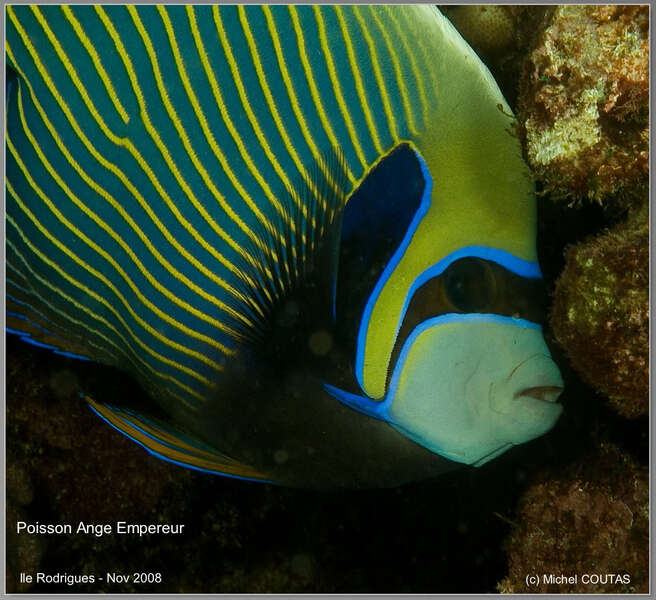
Pomacanthus imperator (Bloch, 1787) (Angel fish)
Juveniles are encountered under ledges, or in holes of outer lagoon patch reefs or semi-protected areas of exposed channels and outer reef flats. Subadults move to reef front holes and surge channels. Large adults inhabit...
Leer más
Leer más
Pygoplites diacanthus (Boddaert, 1772) (Bluebanded angelfish)
Occurs in coral rich areas of lagoon and seaward reefs to a depth of 48 m or more. Often found in the vicinity of caves and feeds on sponges and tunicates. Solitary or in pairs, or in groups. Frequently exported through the aquarium trade . Rarely survives in the aquarium.
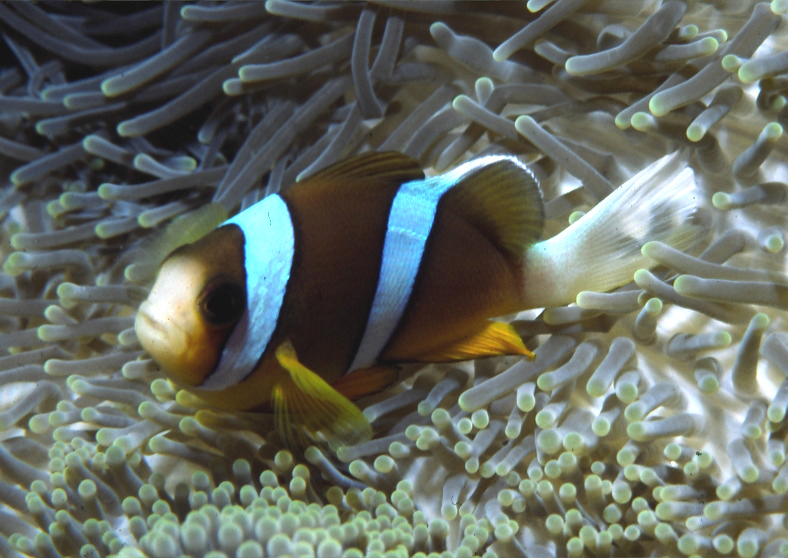
Amphiprion clarkii (Bennett, 1830) (Brown anemonefish)
Inhabits lagoons and outer reef slopes. Omnivorous. Oviparous, with elliptical eggs . Monogamous . Has been reared in captivity . Associated with the anemones: Cryptodendrum adhaesivum, Entacmaea quadricolor, Heteract...
Leer más
Leer más
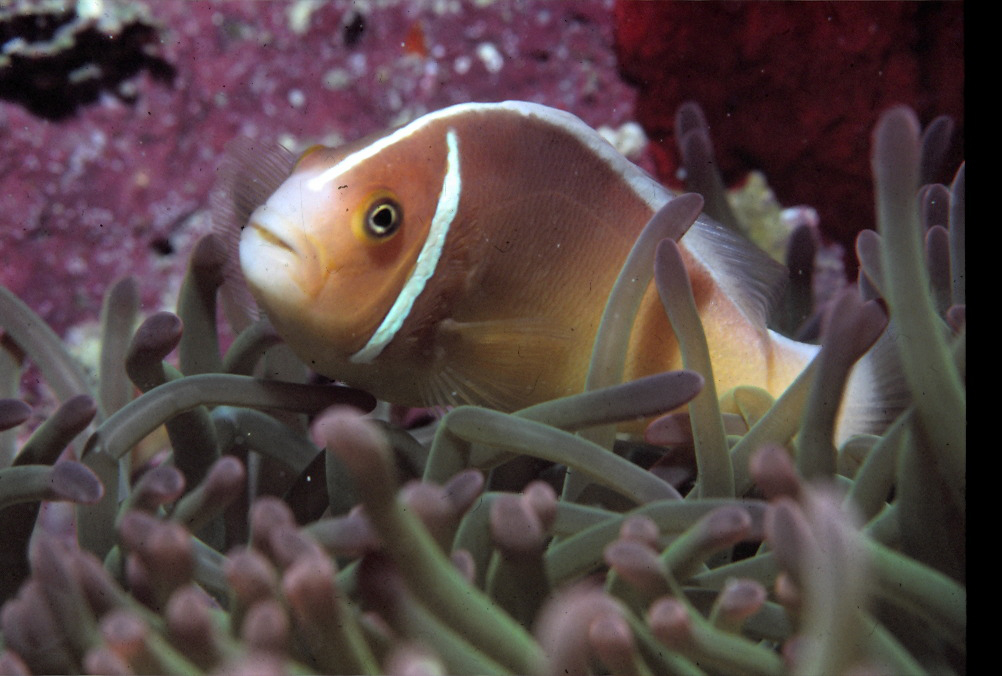
Amphiprion perideraion Bleeker, 1855 (False skunk-striped anemonefish)
Inhabits lagoon and seaward reefs . Mainly diurnal. Non-burrowing. Monogamous . A protandrous hermaphrodite . Associated with the anemones: Heteractis magnifica , Heteractis crispa, Macrodactyla doreensis, and Stichod...
Leer más
Leer más
Compartir en redes sociales
- Facebook:

Personaliza tu texto a compartir, así como su destino (muro, página...) o mándalo como un mensaje privado a un amigo
- Twitter: Tweet Personaliza tu tweet
- Google Plus:
Enlace directo a esta inmersión
- Enlace largo:
- Enlace corto:


 Estamos participando en el concurso de startups Techcrunch Disrupt. Apoya Diveboard votando por nosotros!


























































































Ist dive, two tank trip aboard Datu Budas. Beautiful day, white puffy clouds, blue skies, warm, flat water
Sol Del Sur Resort house reef, in front, offshore
clear water, nice dive
multilevel, some solo.