


 Beachnutts


 Filipinas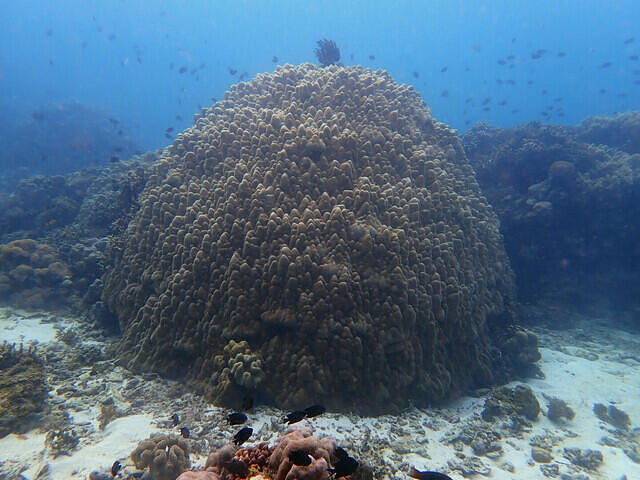
-
Nº181
 Fecha: 2025-07-04 - 06:27
-
 Profundidad máxima: 13.1m Duración: 67mins
Ubicación de inmersión

- Intervalo en la superficie:1061 mins
- Temp: Surf 28°C Parte inferior 28°C
- Tipo de buceo: Recreo, Arrecife, Foto, Exploration
- Visibilidad: Buena Agua: Salada
Equipo específico utilizado
- BCD: Scubapro - Glide Plus
- Botas: Orca - Dive shoes
- Cámara: Olympus - TG6
- Brújula:
- Ordenador: Oceanic - OCS
- Aletas: Scubapro - Go Rescue
- Cuchillo: Scuba MAx - folding
- Boya elevadora: ScubaMax - SMB
- Foco: Sofirn - SD05
- Mascara: Promate - Scope
- Regulador: SEAC - Synchro
- Traje humedo: Blue Ocean - Diveskin
- Pesos: 3.2 kg
Dive reviews
| Puntuación general | ||
| Dificultad de la inmersión | ||
| Calidad de vida marina |
Buceadores recientes en Samal island, Davao

Fotos recientes en Samal island, Davao
Tienda de buceo & compañeros
 Buceo conBlake Auge
 Compañeros de inmersión
Beachnutts
Compañeros de inmersión
Beachnutts

Enlace a este sitio:
- Lugar:
- País:
- Zona:
- Zona acuática:
Perfil de la inmersión
- 1. Air
- 10L Aluminium 207 → 48 bar
- Profundidad media: 8.7m
Datos proporcionados por EOL.org


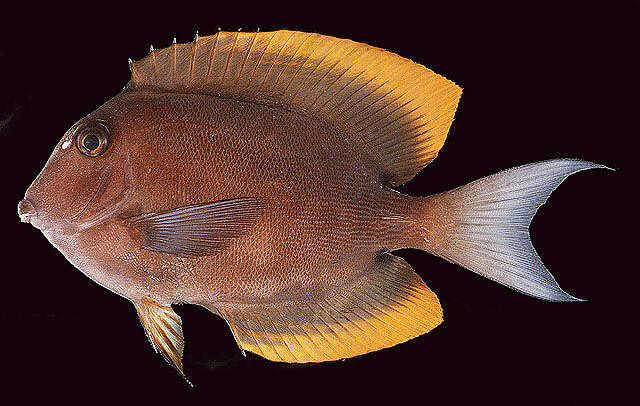
Especies identificadas
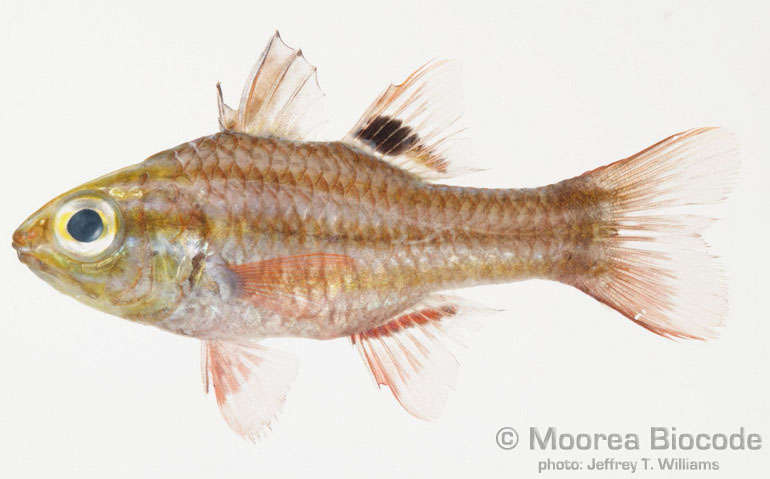
Apogon taeniophorus Regan, 1908 (Reef-flat cardinalfish)
Occurs inshore . Found in holes or ledges of outer reef flats in areas exposed to surge , to depths of about 10 m . Nocturnal .
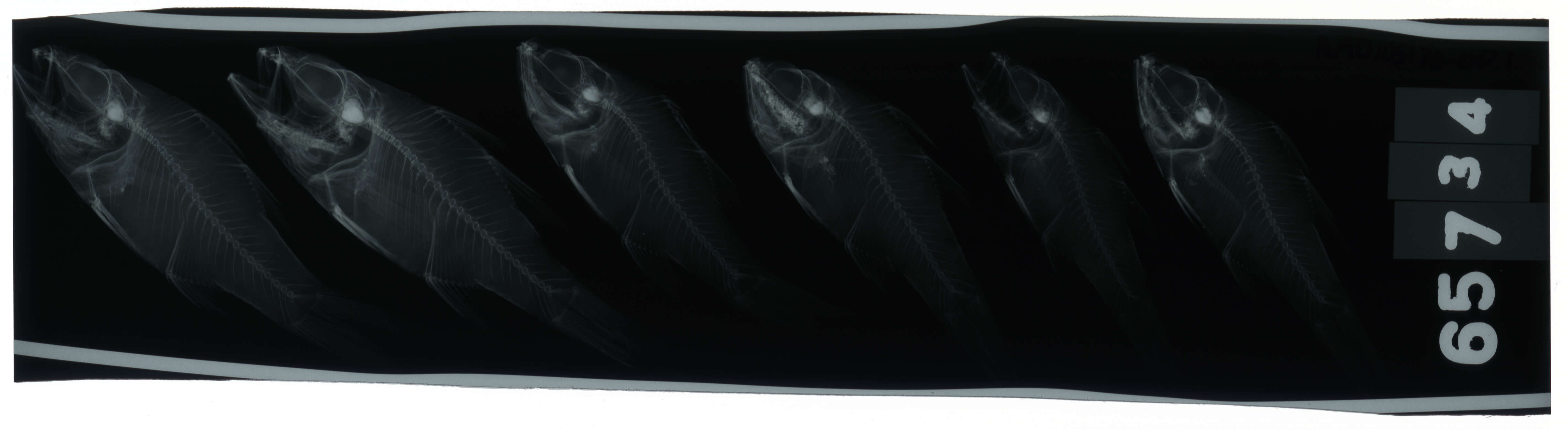
Apogon lateralis Valenciennes, 1832 (Ceram cardinalfish)
A euryhaline species , common in freshwater and estuaries , shallow sheltered inshore reefs or river mouths, among clumps of algae or algal covered rubble. Found in aggregations .
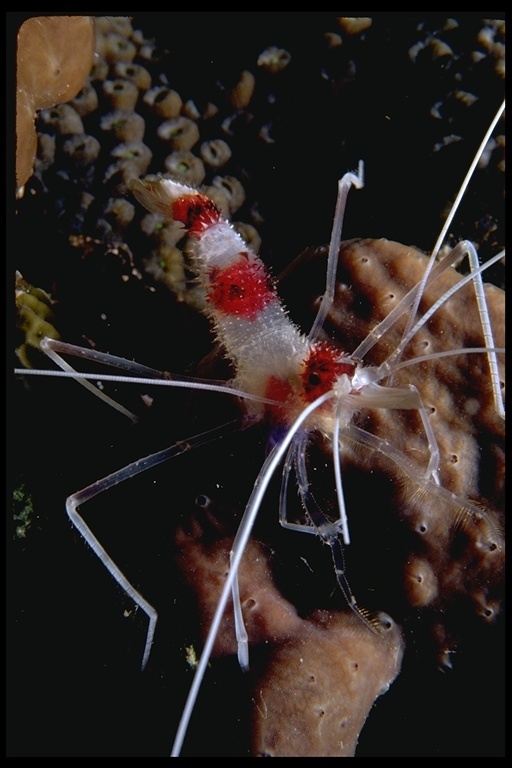
Stenopus hispidus (Olivier, 1811) (banded coral shrimp)
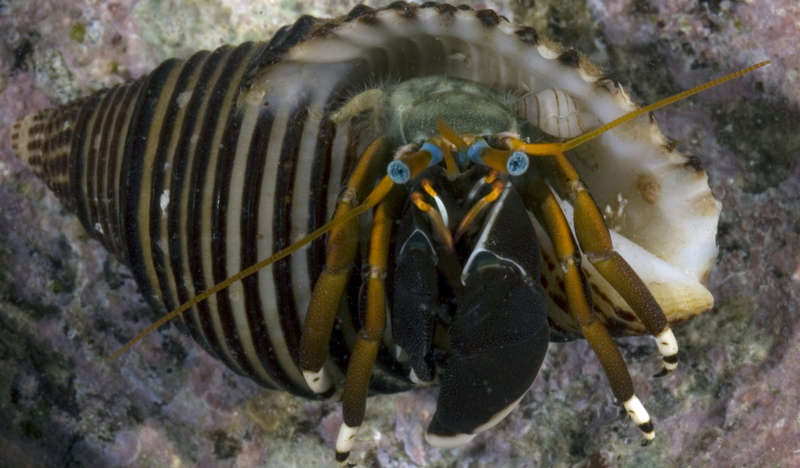
Calcinus laevimanus (J. W. Randall, 1840) (Hawaiian hermit)
Plesionika martia (A. Milne-Edwards, 1883) (golden shrimp)
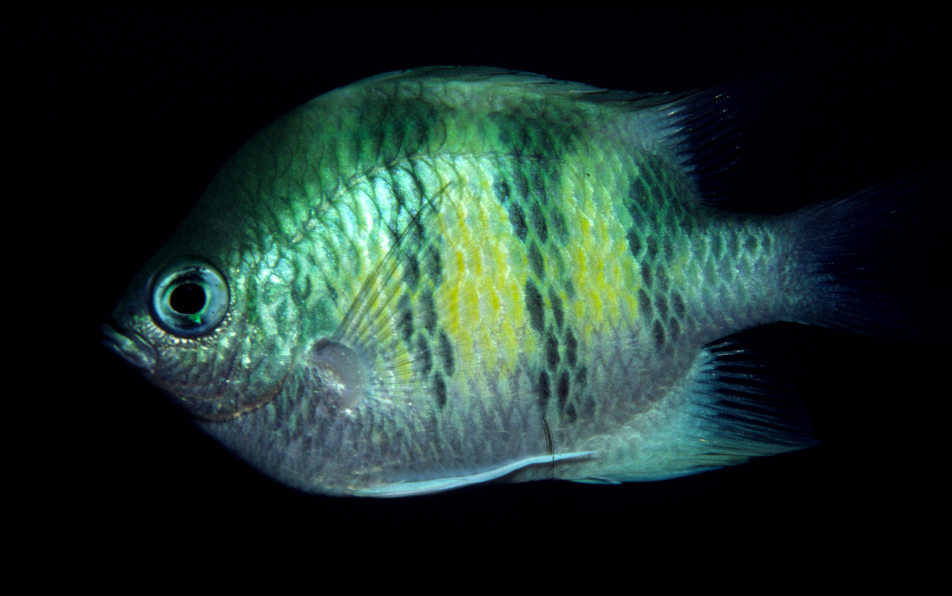
Amblyglyphidodon curacao (Bloch, 1787) (Black-snouted sergeant-major)
Inhabits lagoons, coastal embayments, reef passages and outer reefs. Juveniles often found among Sarcophyton and Sinularia soft corals. Feeding aggregations are frequently observed over growths of the staghorn coral Acrop...
Leer más
Leer más
Dascyllus trimaculatus (Rüppell, 1829) (threespot humbug)
Inhabits coral and rocky reefs, juveniles often commensal with large sea anemones, sea urchins, or small coral heads . Occurs in small to large aggregations. Stomach contents include algae, copepods, and other planktonic crustaceans.
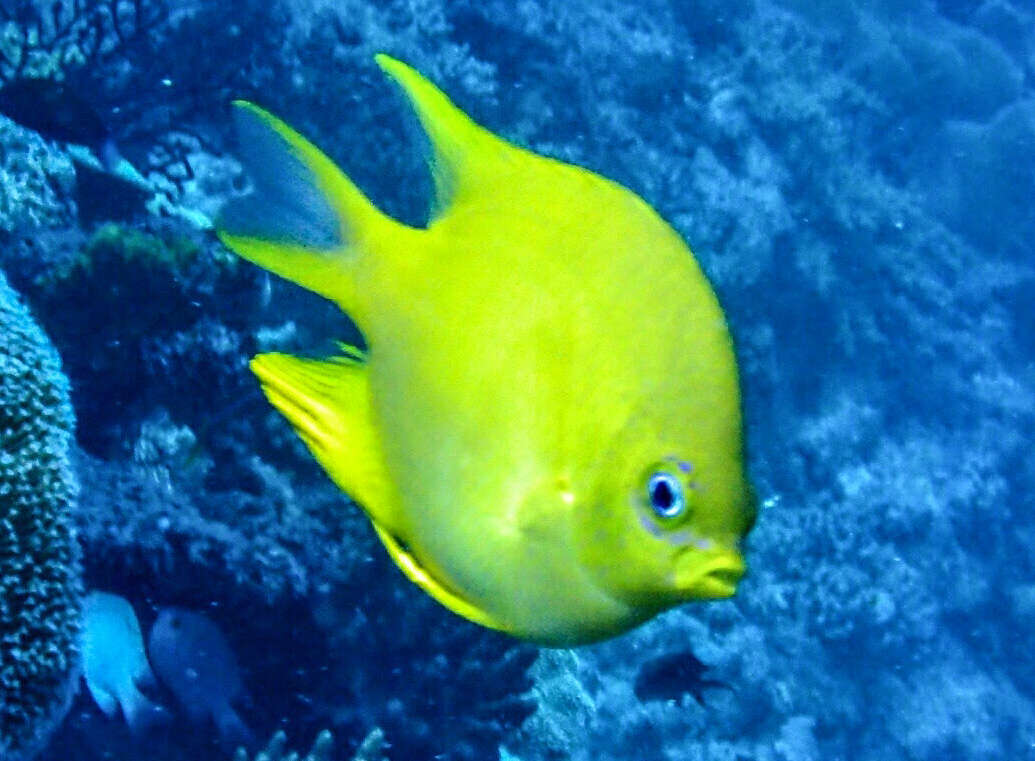
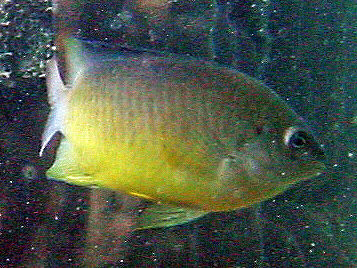
Amblyglyphidodon aureus (Cuvier, 1830) (Golden damsel)
Occurs in steep outer reef, occasionally in deep lagoons and along channel walls, usually in current prone habitats and where there are abundant gorgonian and long sea-whip corals on which they lay and guard eggs. Juvenile...
Leer más
Leer más
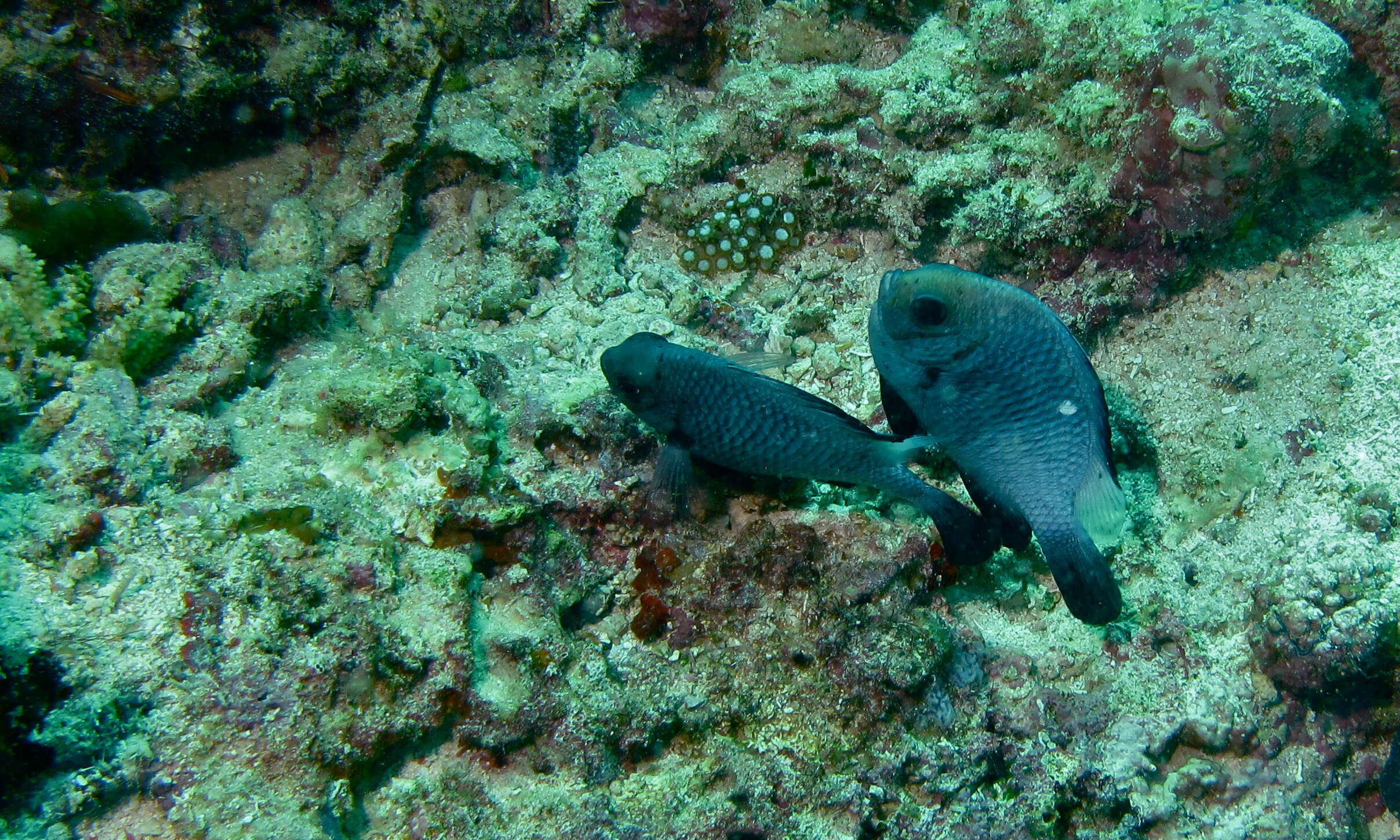
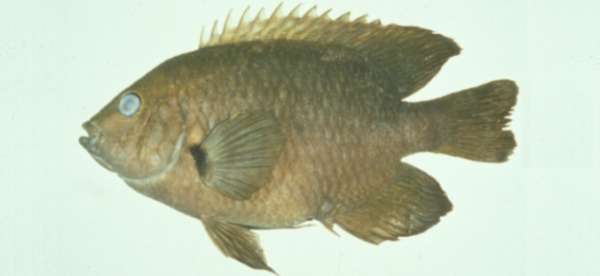
Hemiglyphidodon plagiometopon (Bleeker, 1852) (Purple-spotted demoiselle)
Occurs in protected lagoon and coastal reefs around branching corals , usually with lots of algae on coral bases on the substrate . Feeds on algae . Large species, to at least 18 cm .
Pomacentrus chrysurus Cuvier, 1830 (Whitetail damsel)
Inhabits sandy areas of lagoons and inshore reefs around rock or coral outcrops. Feeds primarily on algae.
Pomacentrus littoralis Cuvier, 1830 (Smoky damsel)
Inhabits rock, rubble or coral reefs usually inshore. Visits reefs submerged by high tides. Occurs in small loose groups or solitary .
Opistognathus dendriticus (Jordan & Richardson, 1908) (tabangka)
Mouthbrooders. Eggs which are clumped together in a sticky ball get incubated inside the parent's mouth .
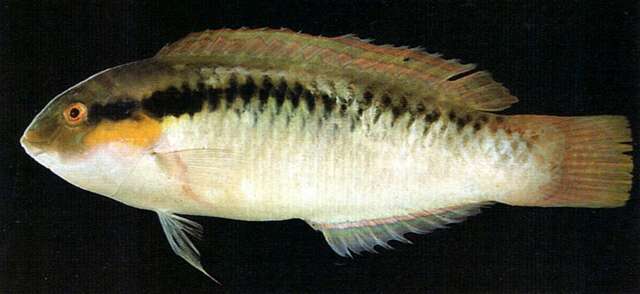
Halichoeres scapularis (Bennett, 1832) (Zigzag wrasse)
Common in shallow lagoons or bays; usually over sand, rubble, or seagrass bottom , rather than on coral reefs. Usually solitary and aggressive towards members of its own species. Feeds on small crustaceans by picking them off the sandy bottom .
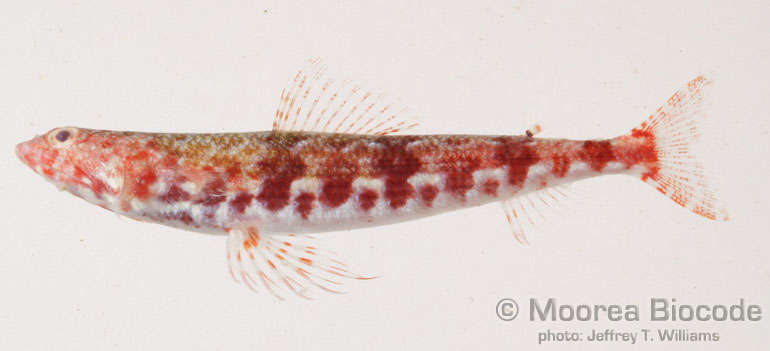
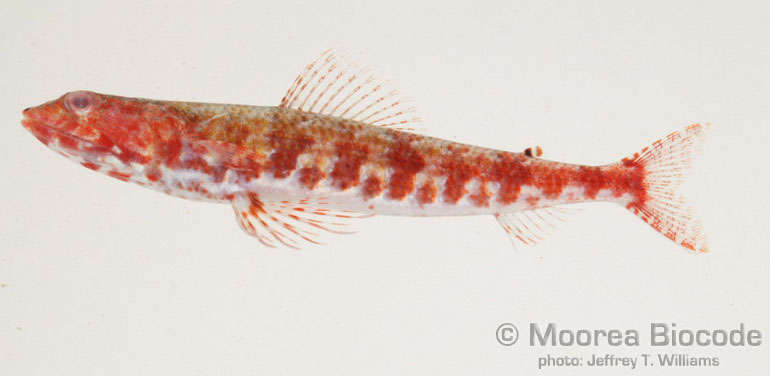
Synodus variegatus (Lacepède, 1803) (Variegated lizardfish)
Inhabits deep lagoon and seaward reefs to depths over 40 m ; sometimes found on sandy bottoms concealing itself in the sand. Prefers to rest on hard surfaces and frequently occurs in pairs . Benthic . Feeds on small fish...
Leer más
Leer más
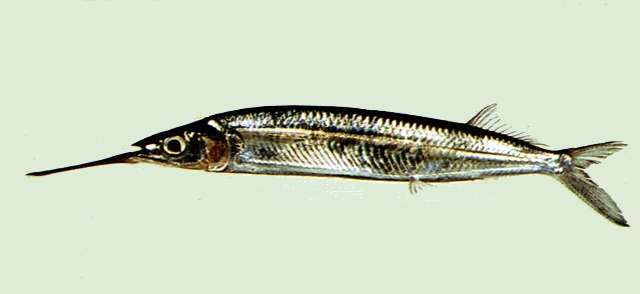
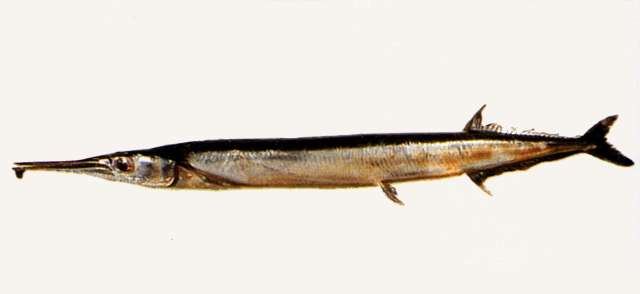
Hemiramphus lutkei Valenciennes, 1847 (Lutke's halbeak)
Inhabits coastal waters rich in vegetation . Found more offshore than other species of Hemiramphus in the western central Pacific; juveniles and immature individuals are relatively common far from shore, usually among floating plants . Caught by set-net.
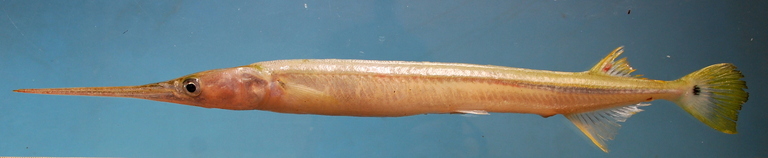
Zenarchopterus dispar (Valenciennes, 1847) (viviparous halfbeak)
Inhabit shallow water around mangrove in sheltered bays . Early juveniles are neustonic and float on the surface of estuarine mangroves .
Strongylura strongylura (van Hasselt, 1823) (Spottail needlefish)
Found in coastal areas and mangrove-lined lagoons, also enters freshwater. Carnivorous. Feeds mainly on small fishes, especially clupeoids. Occurs at temperatures ranging from 26 to 29°C . Oviparous . Eggs may be foun...
Leer más
Leer más
Aulostomus chinensis (Linnaeus, 1766) (Chinese trumpetfish)
Found in clear, shallow water , in rocky and coral areas of protected and seaward reefs . Benthopelagic . Feeds on small fishes and shrimps . A slow-moving fish relying partly on stealth and camouflage to sneak up on unsuspecting prey. Often darts down vertically on its prey. Usually solitary .
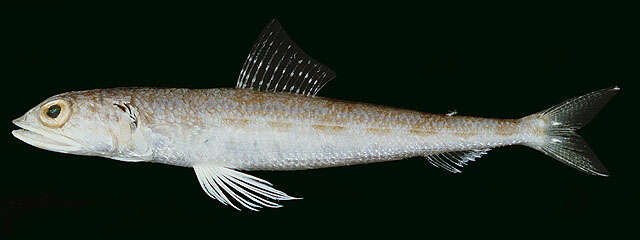
Synodus binotatus Schultz, 1953 (Two-spot lizard fish)
Occurs in coral reefs . Benthic . Generally solitary and typically rests on hard surfaces, occasionally with a head down position on a steep slope . Sold fresh in markets.
Tylosurus acus (Lacepède, 1803) (agujon)
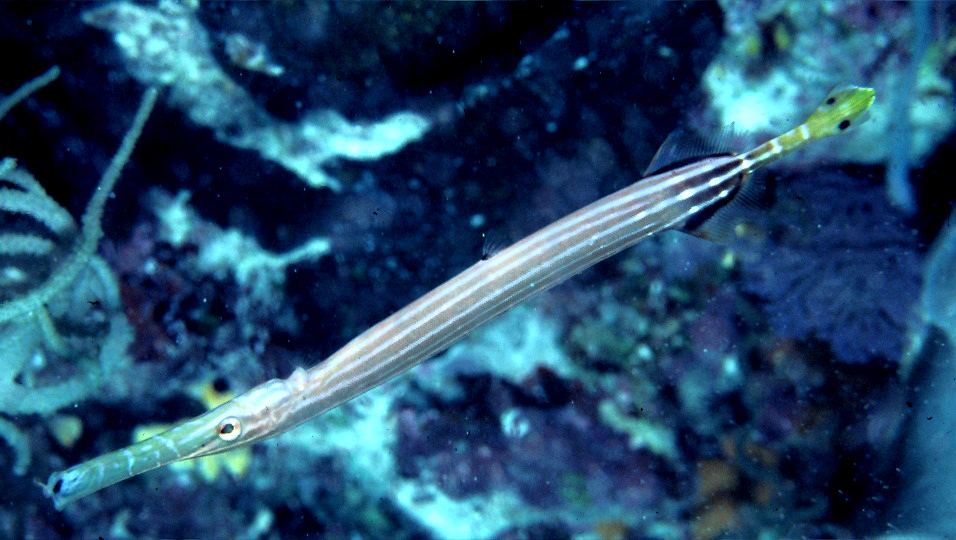
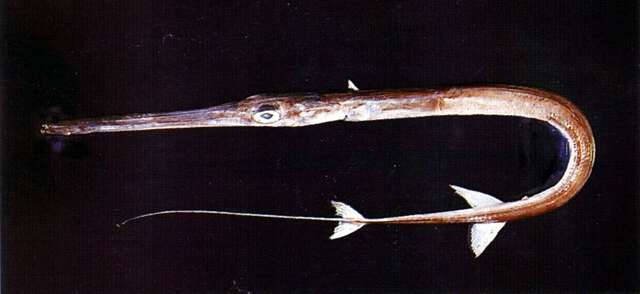
Fistularia petimba Lacepède, 1803 (Pacific cornetfish)
Synodus englemani Schultz, 1953 (Engleman's lizardfish)
Found in inshore waters.
Synodus tectus Cressey, 1981 (Tail-bar lizardfish)
Occurs over soft bottoms of the continental shelf and inshore waters .
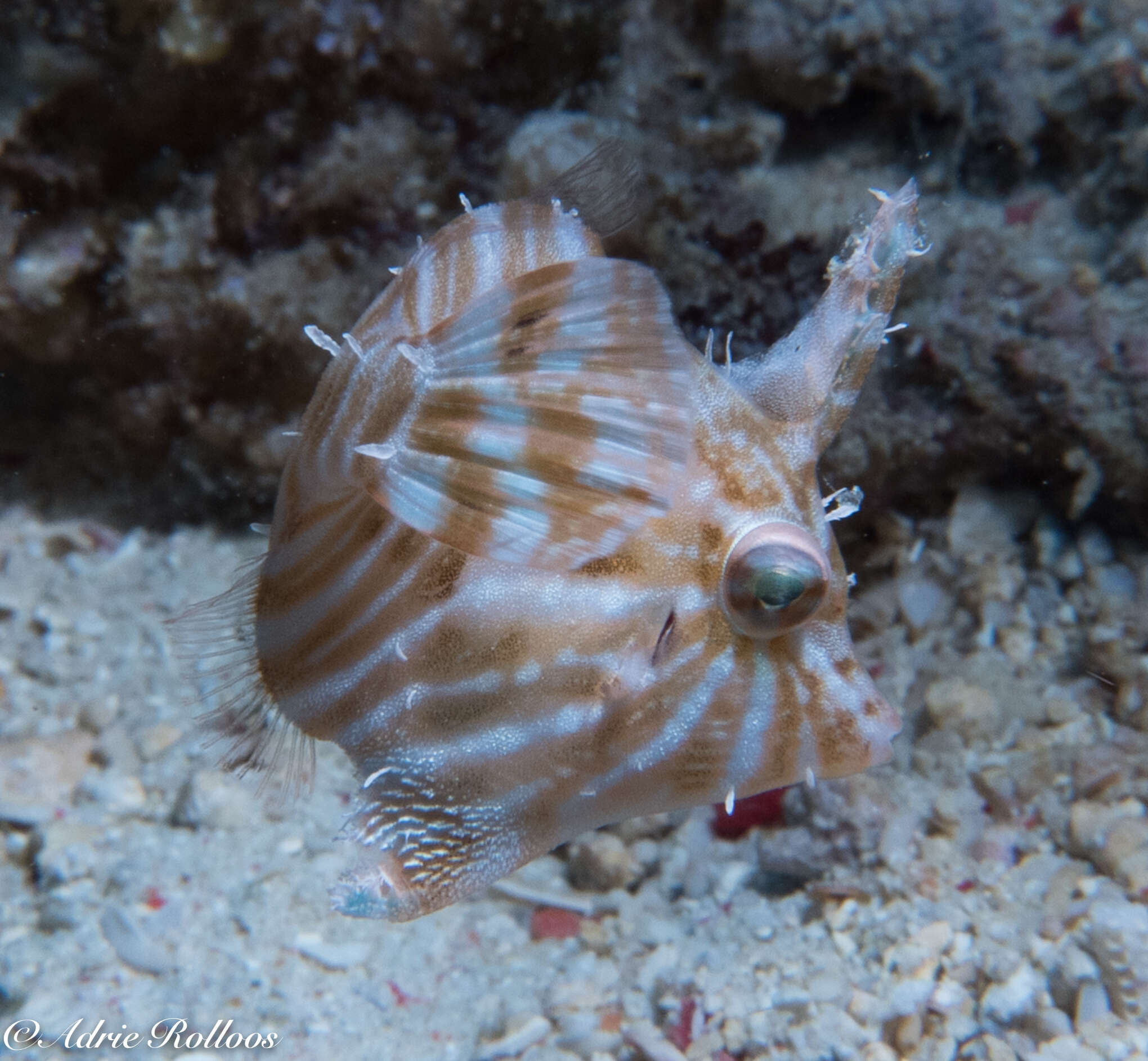
Acreichthys radiatus (Popta, 1900) (Radial leatherjacket)
Found among soft corals . Extremely well camouflaged when among the corals. Observed picking on the coral polyps and the coral tissue may be an important part of their diet .
Oxymonacanthus longirostris (Bloch & Schneider, 1801) (Harlequin filefish)
Occurs in clear lagoon and seaward reefs from 0.5 to at least 30 m. Found in pairs or small groups and nests near bases of dead corals, often on clumps of algae. Monogamous . Feeds exclusively on Acropora polyps. Feeding takes place throughout the day becoming less towards the evening .
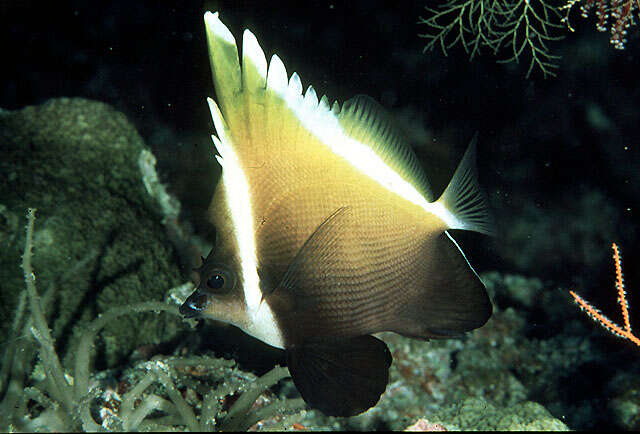
Heniochus varius (Cuvier, 1829) (Horned bannerfish)
Occur in deep lagoons and steep outer reef slopes, with mixed algae and coral growth . Solitary or in small groups. Feed on corals and other invertebrates . Oviparous . Form pairs during breeding . Maximum depth reported taken from Ref. 48636.
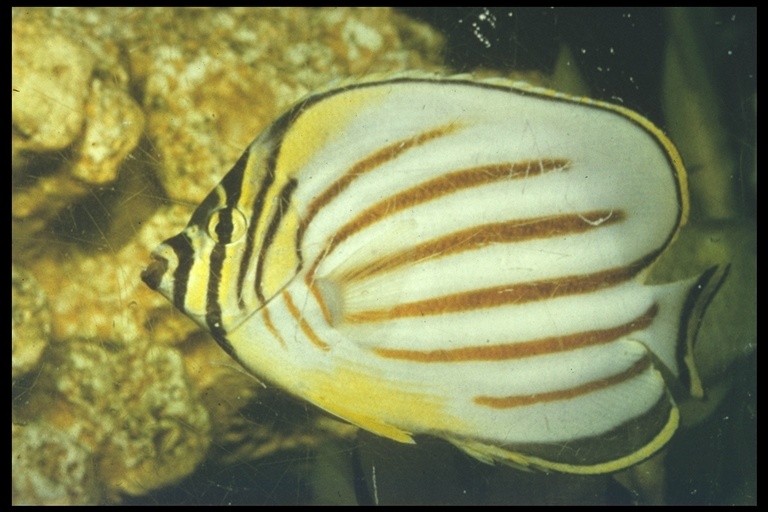
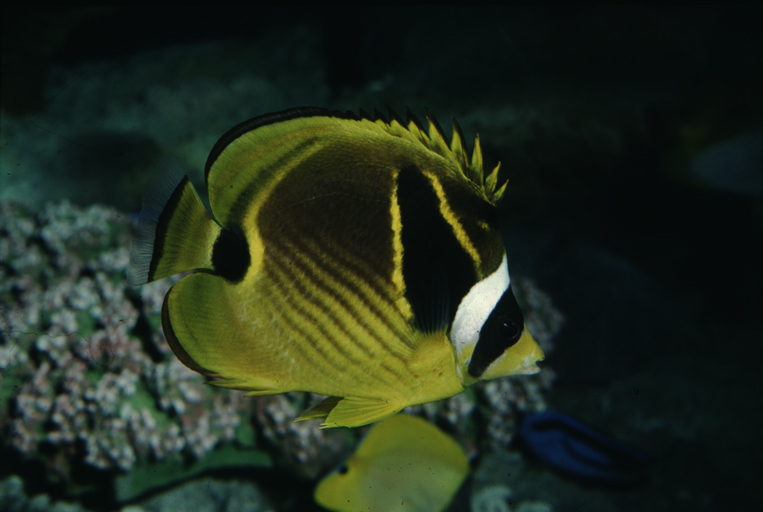
Chaetodon ornatissimus Cuvier, 1831 (Ornate butterflyfish)
Occur in clear waters and coral-rich areas of lagoon and seaward reefs. However, only common in seaward reefs . Benthopelagic . Juveniles are solitary, living among branching corals, while adults are almost always in pai...
Leer más
Leer más
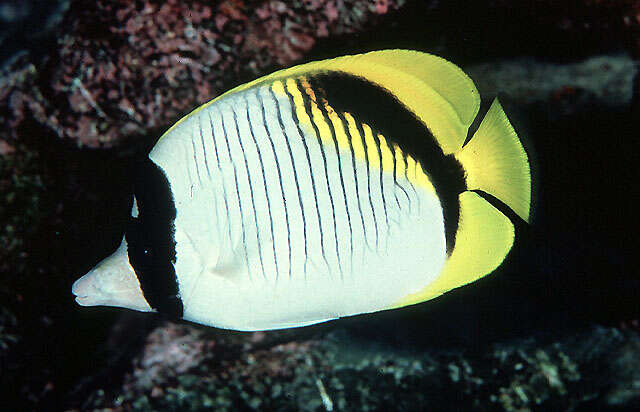
Chaetodon lineolatus Cuvier, 1831 (Line butterflyfish)
Occur in lagoon and seaward reefs, usually in pairs in coral rich areas . Benthopelagic . Feed mainly on coral polyps and anemones, but also on small invertebrates and algae . Largest species in the genus . Oviparous . Form pairs during breeding .
Chaetodon lunula (Lacepède, 1802) (Butterflyfish)
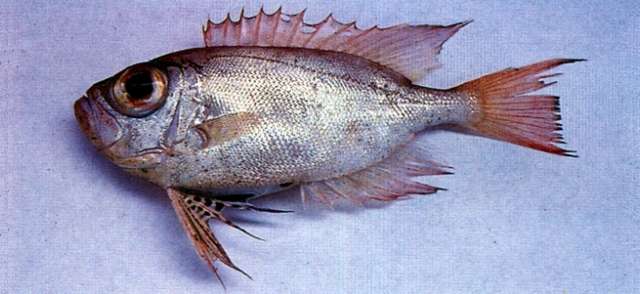
Priacanthus tayenus Richardson, 1846 (Purple-spotted bigeye)
Inhabits coral or rocky areas. Sometimes forms aggregations. Feeds on a wide variety of benthic animals. Smaller fish are mostly found inshore. Marketed mostly fresh, whole or dried-salted.
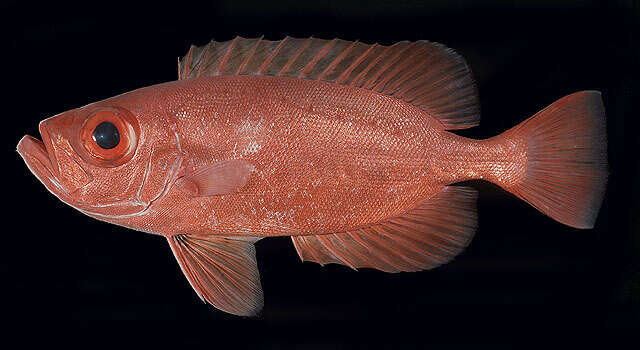
Priacanthus blochii Bleeker, 1853 (Paeony bulleye)
Occurs in lagoon and seaward reefs, under ledges or in caves by day ; often silty habitat . Rarely trawled .
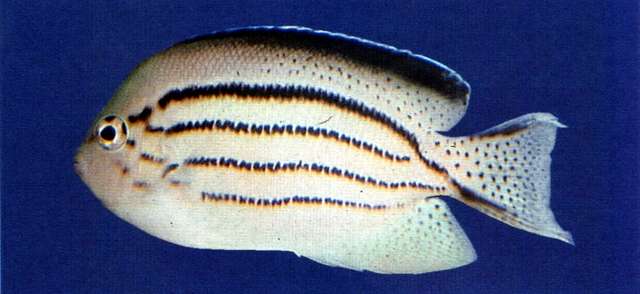
Genicanthus lamarck (Lacepède, 1802) (Blackstriped angelfish)
Inhabit shallow reef crests and deep reefs adjacent to steep slopes. Form aggregations to feed in midwater well above the bottom; harems of 3-7 individuals. Feeds on plankton. Frequently exported through the aquarium trade .
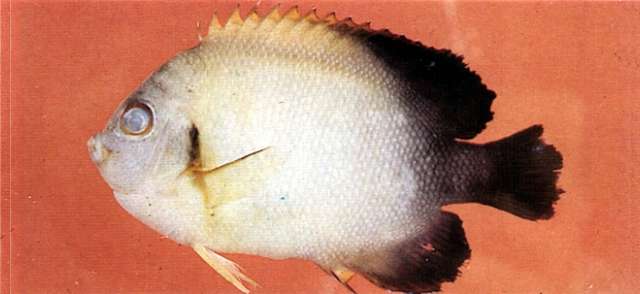
Centropyge vrolikii (Bleeker, 1853) (Pearlscale angelfish)
Inhabit lagoon and seaward reefs, mainly in coral rich areas . Feed on algae. Oviparous , monogamous . Frequently exported through the aquarium trade. Form hybrids with Centropyge eibli and C. flavissima at areas of sympatry. Mimicked by juveniles of the acanthurid Acanthurus pyroferus .
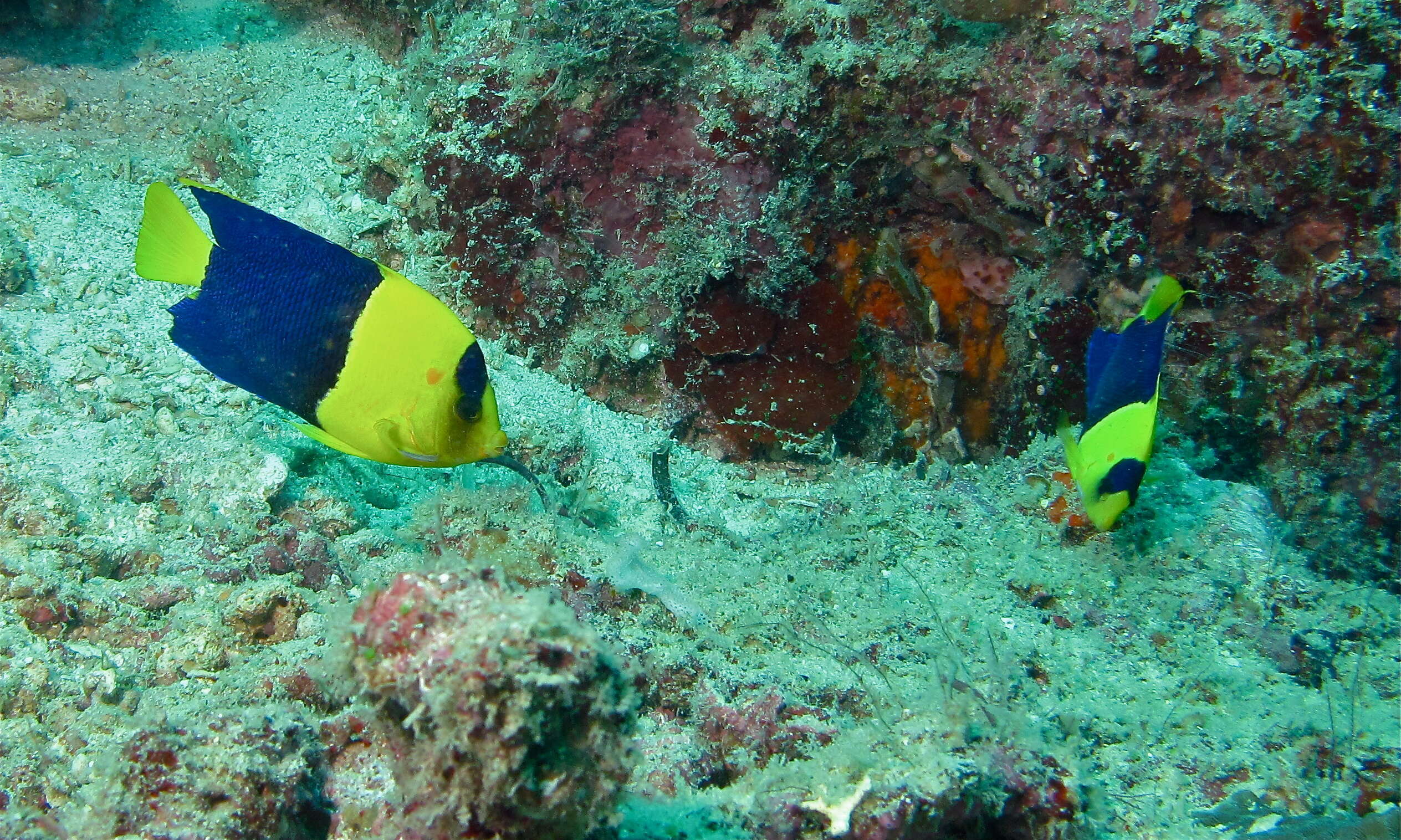
Centropyge bicolor (Bloch, 1787) (Bicolor angelfish)
Inhabits lagoon, channel, or protected seaward reef slopes, drop offs, coral and rubble areas . Usually in pairs or in small groups. Feeds on algae, small crustaceans and worms. Darts from one hiding place to the next. Commonly exported through the aquarium trade .
Centropyge flavicauda Fraser-Brunner, 1933 (Whitetail angelfish)
Inhabits coral bottoms of channels and over reef slopes . Herbivorous . Occasionally exported through the aquarium trade . Often in small loose groups on inner reefs in low patches of brittle corals and coralline algae mix that is shared by damselfishes and small wrasses .
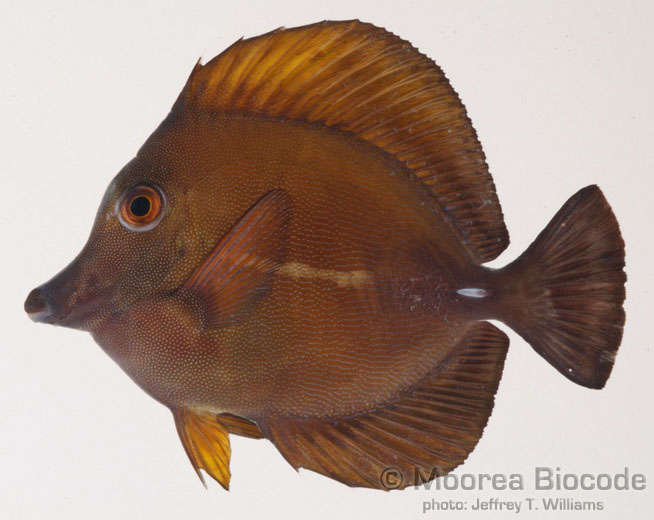
Zebrasoma scopas (Cuvier, 1829) (Twotone tang)
Occurs in coral-rich areas of lagoon and seaward reefs. Graze on algae, usually in groups of 20 individuals . Adults usually in small groups and sometimes schooling. Juveniles solitary and usually among corals . Its nume...
Leer más
Leer más
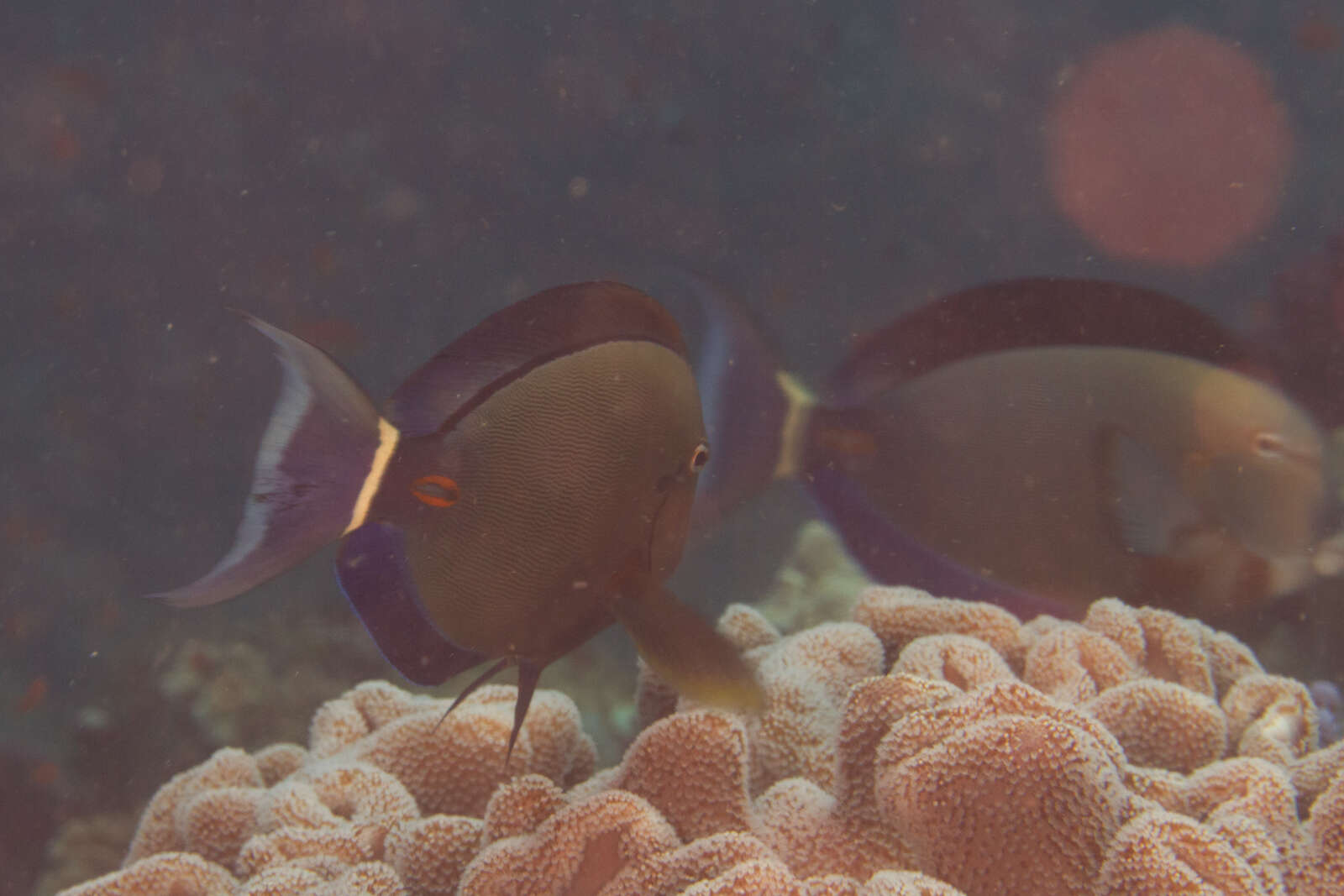
Acanthurus auranticavus Randall, 1956 (Orange-socket surgeonfish)
Inhabits shallow reefs, both in lagoons and outer reef areas. Frequently moves in groups. Juveniles found between soft corals in lagoons at depths of up to 2 m . Adults in groups, often mixed with other similar species .
Ctenochaetus tominiensis Randall, 1955 (Tomini surgeonfish)
Occurs singly or in small groups along steep coral-rich drop-offs of sheltered coasts .
Compartir en redes sociales
- Facebook:

Personaliza tu texto a compartir, así como su destino (muro, página...) o mándalo como un mensaje privado a un amigo
- Twitter: Tweet Personaliza tu tweet
- Google Plus:
Enlace directo a esta inmersión
- Enlace largo:
- Enlace corto:


 Estamos participando en el concurso de startups Techcrunch Disrupt. Apoya Diveboard votando por nosotros!


























































































Shore entry single dive day @Alorro Cliffs, Alorro Beach, Pangubatan, Samal, Philippines.
Habagat waves onshore making entries and exits very challenging. Soft deep sand on beach hard to walk.
swim out over shallow rocks until water clears and bottom opensup to beautiful shallow reefs and coral formations. exploration dive, conservative because solo and first time at location known for strong currents. Spent more time along cliffs and large corals trying to reach dropoff. Swam to depth but turned back at the first sign of any strong current. Did not reach dropoff.
No problems long dive with photos , needed assistance to exit on beach with the 2-3 foot waves, surge during entire dive
SOLO, multilevel
highlight Green Sea Turtle swimming over Corals